Record and permission model
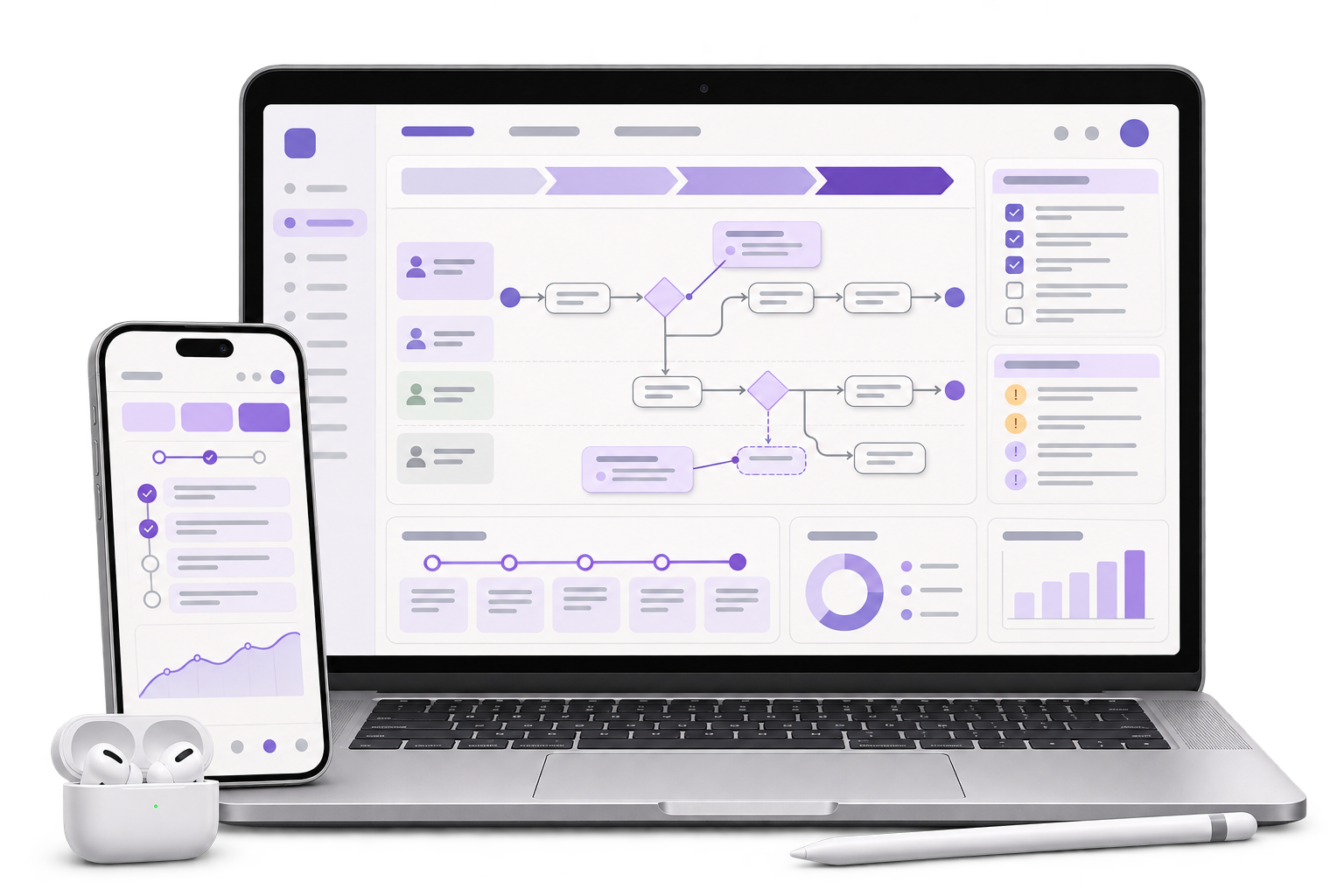
Map draft and public fields, revision history, release permissions and the information a reviewer needs for each decision.

Give collection teams a reliable way to revise an object record, approve its public description and see what visitors will find before the change goes live.
See the catalogue review example
01 / What we build
Map draft and public fields, revision history, release permissions and the information a reviewer needs for each decision.
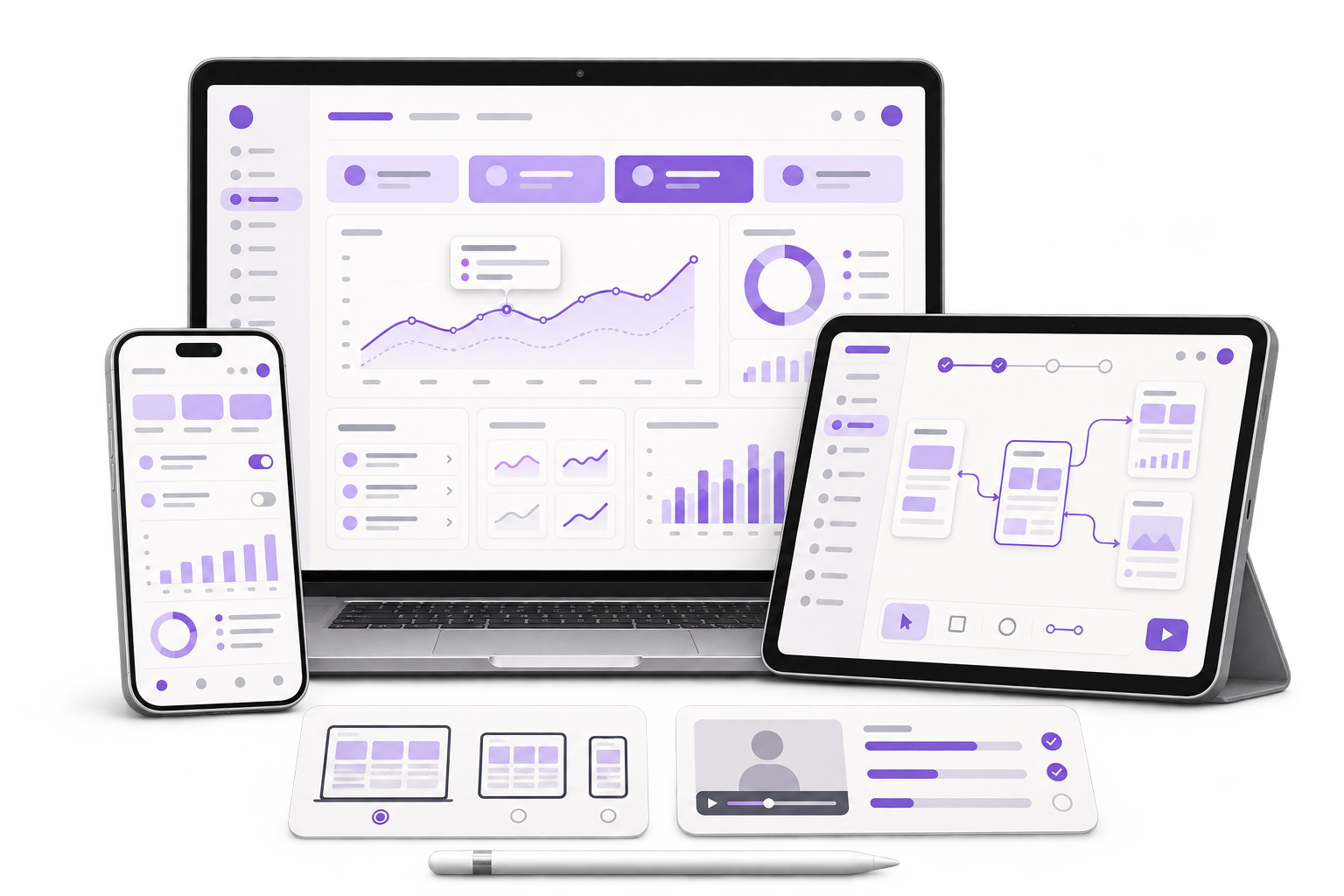
Prototype the editor view, rights decision and public preview with the same sample record. Include a change returned to the editor.
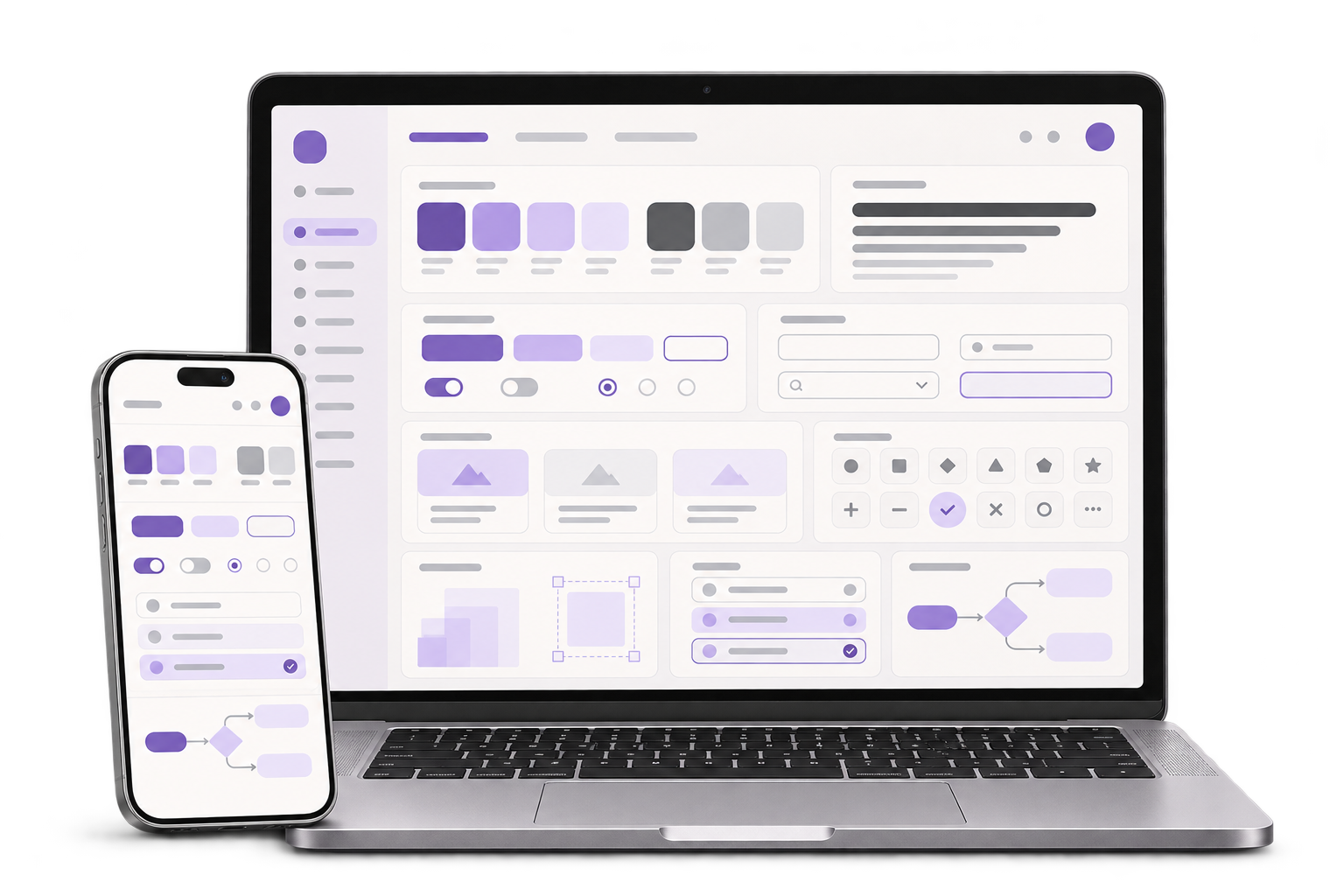
Document status labels, revision comparisons and the review actions developers need to implement and test.
City context, honestly stated
The National Museum in New Delhi digitises collection objects for public discovery. In this fictional product exercise, a small archive wants to correct a catalogue caption while a rights reviewer checks a replacement photograph. GreyBath provides SaaS product design remotely.
Record A214 currently has an approved caption and an approved photograph. A registrar corrects the date in the caption and attaches a new photograph for review. Record both changes as a revision of A214, with the earlier approved version still available to visitors.
The editor checks the wording while the image reviewer checks the proposed photograph and its public credit. Show the previously approved values beside the proposed values and identify which person still has a decision to make.
The revised caption is approved and the replacement photograph remains under review. In the pilot, the publisher previews a release with the new caption and the existing photograph. The change history records the values used and identifies the photo that is still waiting.
Where it fits
Review the preview with the staff who edit the records and the people who decide what can appear in the public catalogue.
Design one review pattern that can be reused across collection types with organisation-specific approval rules.
See which values are public and which are being reviewed before editing a record.
Review the requested image use and the credit with enough context to return an incomplete decision.
Use the approved field and state model to specify preview, release and revision history.
How we work
Sketch A214 and agree which fields are public before any changes are made.
Approve only the caption change. Ask the publisher to identify the held photo and preview the exact public record.
Check that the release has one approved caption, one approved image and a history of decisions. Document how the live catalogue would receive it.
Start with one record type, two kinds of edits and the roles that approve them. Your team defines who can authorise publication and what rights information it needs.
Discuss your projectChoose the identifiers, descriptions and attachments involved. Agree which values can go live independently.
Map who can view private notes, open the public preview, make decisions and release a change.
Agree how the catalogue receives an approved revision and what happens when a sync fails.
We can design against a representative extract or the existing API. Check whether the source can preserve stable identifiers and revision states before agreeing an integration.
Yes. Define which roles can view draft metadata and images, then include direct-link and shared-preview access in the acceptance criteria.
Yes, when the collection owner allows that release rule. The prototype should show the exact approved combination before a publisher confirms it.
We can scope language-specific drafts and approvals. Agree how a visitor will see available languages when one translation is still in review.
Bring one sample record, a public view, one example of a returned change and the roles involved in release. Remove private details.
Bring one fictional object record