Booking state and visibility model
Define where requests, holds, confirmations and reopened slots appear. Map which roles view a meeting brief and who can release a hold.

Show programme teams which founders have a confirmed mentor session and which are waiting for a reply. Give mentors a short discussion brief with a clear record of who can see it.
See a rescheduling example
01 / What we build
Define where requests, holds, confirmations and reopened slots appear. Map which roles view a meeting brief and who can release a hold.
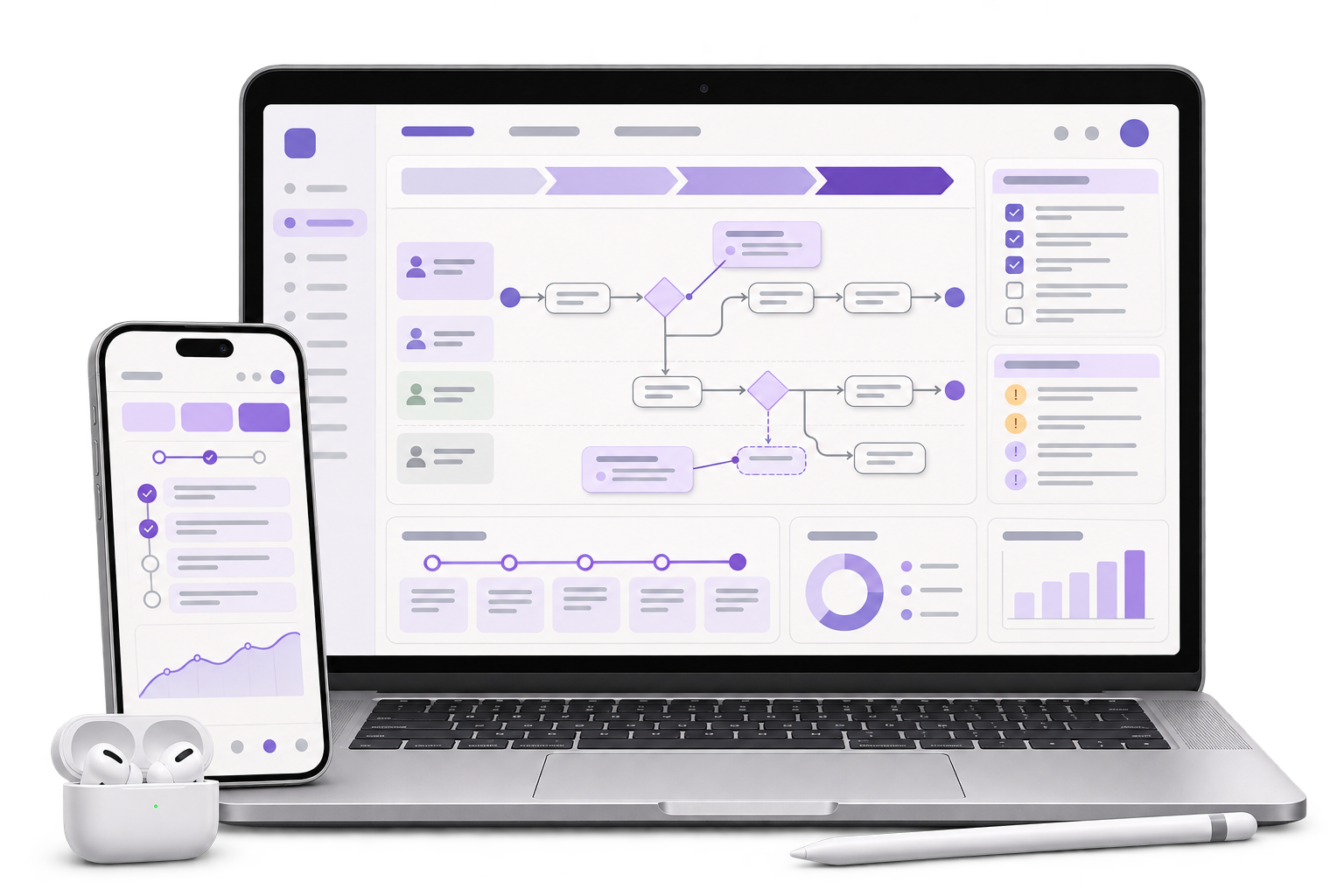
Prototype one overlapping booking and a reschedule using synthetic data. Show the date, IST label and next action in each role’s view.
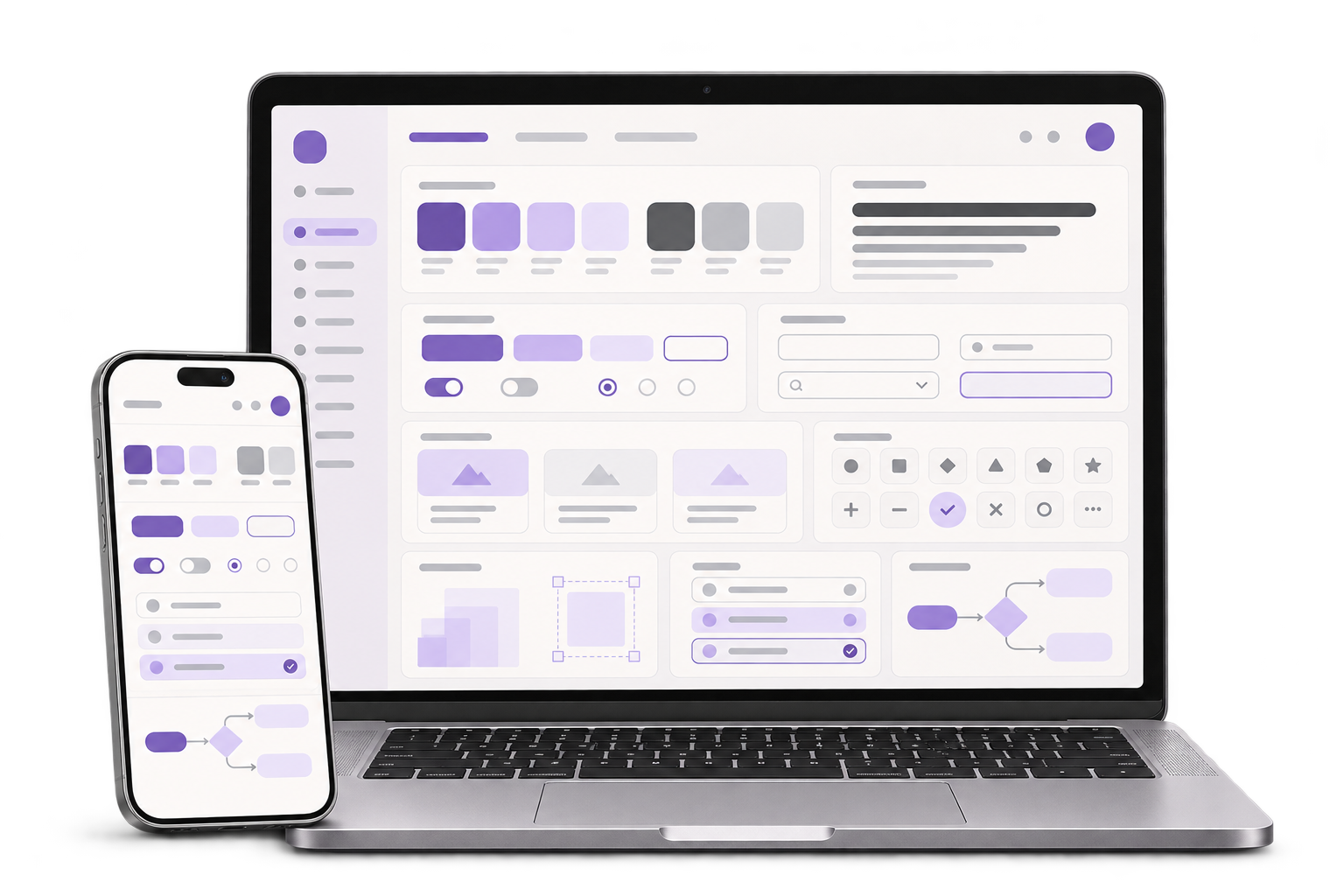
Document slot status labels, calendar integration boundaries and acceptance checks for expired holds, conflicts and permission changes.
City context, honestly stated
T-Hub in Hyderabad describes a mentorship network that connects startup founders with mentors whose experience fits their needs. This fictional product example covers a separate accelerator. GreyBath provides SaaS product design remotely.
In this fictional accelerator, two founders request a 30-minute Wednesday slot with a mentor for different product questions. A coordinator sends a temporary hold to the first founder with a reply deadline. The second sees a waiting status and can select a different slot.
The first founder accepts and later asks to move to Thursday. Show Thursday as proposed until the mentor accepts. Keep the original booking clearly marked in the coordinator view and preserve the same brief under the founder’s request.
After both parties accept the change, show Thursday as confirmed and release Wednesday for the coordinator to offer again. Include the time zone beside the time, and test that the next founder receives calendar details without access to the earlier brief.
Where it fits
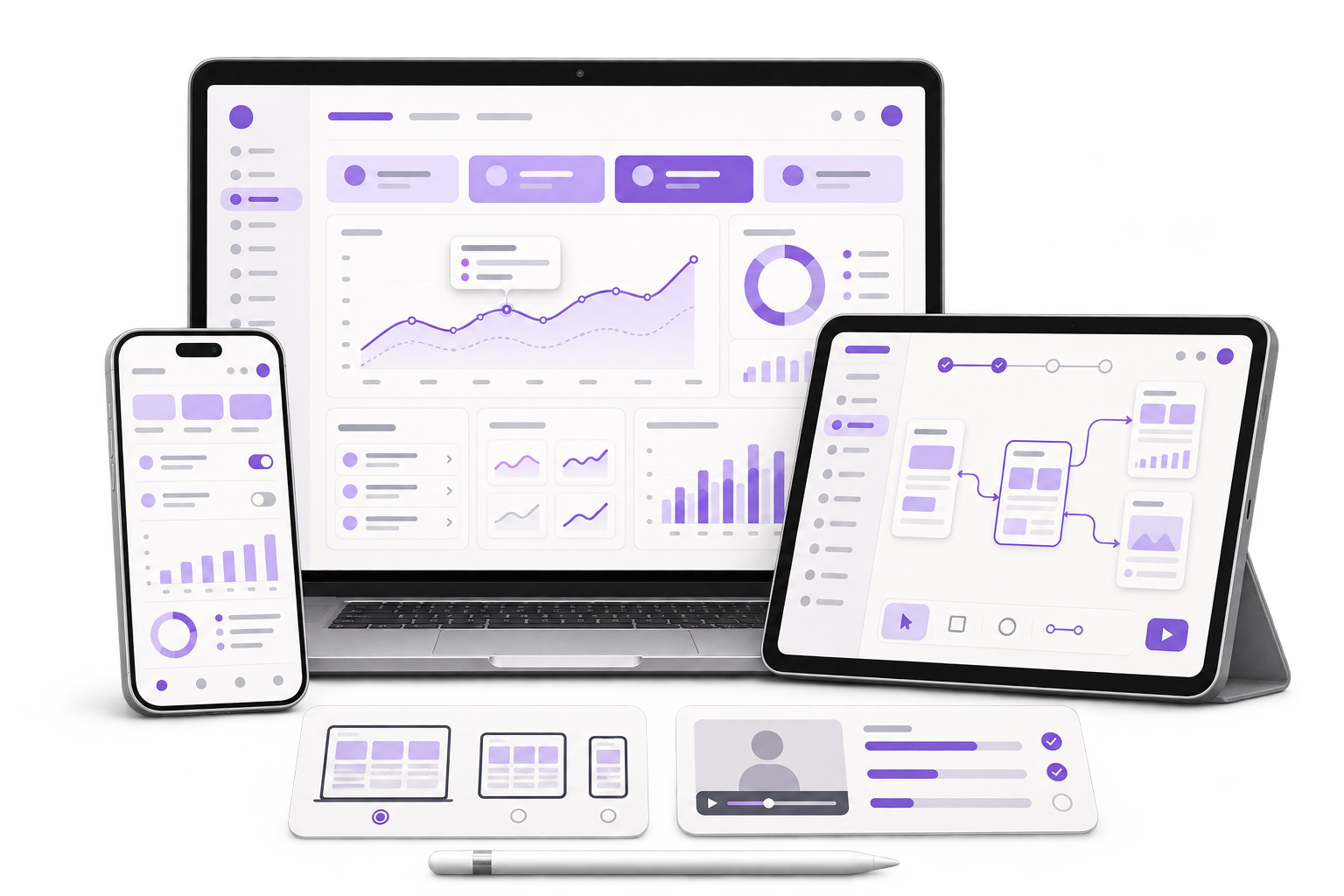
A calendar view should give each role enough detail to plan its work. Test the proposed slot and brief together with people who would review, book and attend sessions.
Choose the session types and rules worth including in a first version and decide where coordinator decisions belong.
See who holds each slot, when a reply is due and which session still needs a decision.
Find the current meeting time and permitted brief without relying on a message thread to interpret status.
Use the agreed state model, calendar rules and access checks to estimate and test the first release.
How we work
Map one available slot, two conflicting requests and the coordinator’s decision about who receives the first hold.
Run the Wednesday-to-Thursday change. Ask both parties which time is confirmed and which person needs to act.
Reassign Wednesday to another founder and verify the previous brief stays private. Write down the booking and visibility checks engineering should repeat.
Begin with one cohort, one type of mentor session and a small set of statuses. Decide who owns availability and who can see a founder’s brief before adding integrations.
Discuss your projectAgree which system owns availability and how local session times are presented to people in other time zones.
Decide which fields the coordinator, founder and selected mentor can see. Use an anonymised brief when testing the screens.
Set the sponsor’s proposed reply window and define how an expired hold is released. Test what happens if two people try to confirm the same time.
Yes. The pilot can begin with a manual availability record or representative calendar data. Agree ownership and conflict recovery before choosing a live integration.
Define an expiry time for the hold. Prototype the coordinator’s next action, the founder’s status and the point at which the slot is eligible to be offered again.
Yes, if that is the agreed permission rule. Check access from a direct link, after reassignment and against a different founder’s booking.
Yes. Start by deciding which mode, time zone and location or call details each role needs. Try one change after booking in the prototype.
Bring an anonymised booking, sample availability, an example of a moved slot and a short list of the people allowed to see its brief.
Bring one booking example without private details.