Asset & maintenance record model
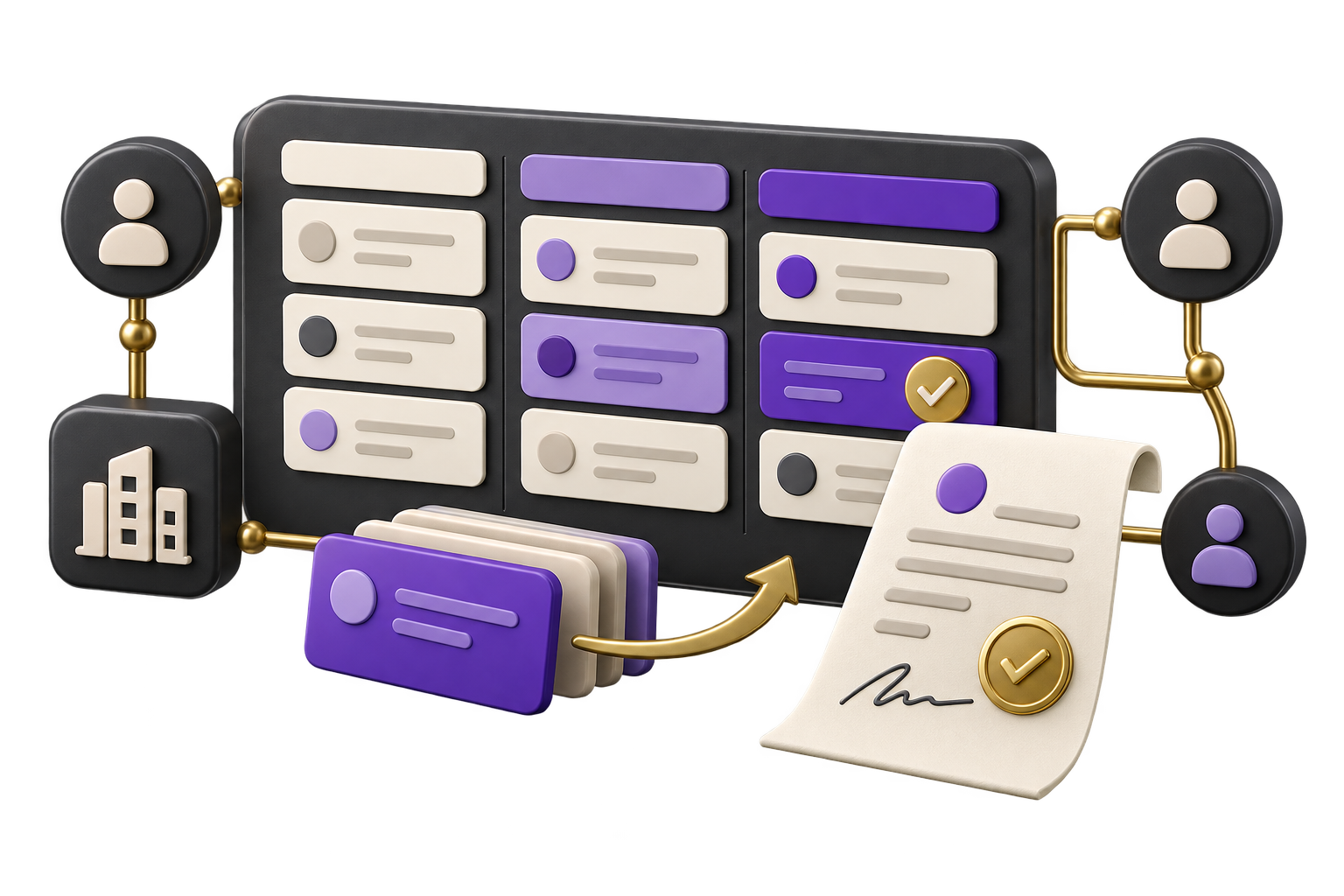
Map asset identity, service requests, symptoms, priority, downtime, parts, people, evidence, approvals and authoritative records for one asset class.

GreyBath helps Vadodara operations teams connect asset identity, service requests, parts, technician or vendor assignments, downtime, evidence, approvals and closure in one owned workflow.
Review the maintenance systems scope
01 / What we build
Map asset identity, service requests, symptoms, priority, downtime, parts, people, evidence, approvals and authoritative records for one asset class.
Prototype role-based requests, technician or vendor assignment, evidence capture, parts decisions, escalation and authorised closure.
Expose overdue work, blocked parts, unassigned requests, downtime and missing evidence from approved records without replacing the authorised ledger.
City context, honestly stated
We work remotely with Vadodara teams through workflow walkthroughs, record mapping and limited pilots; GreyBath does not claim a Vadodara office or local clients. Official district information on engineering, power equipment, chemical and pharmaceutical activity provides context only, not proof that every organisation has this maintenance problem. The landmark artwork is an editorial montage, not a geographic skyline or a claim of a project, affiliation or endorsement.
Reconcile asset IDs, locations, ownership and the authorised ERP, EAM, accounting or register record before adding another interface.
Connect request priority, assignment, vendor action, parts decisions, access windows and downtime updates without hiding exceptions in messages.
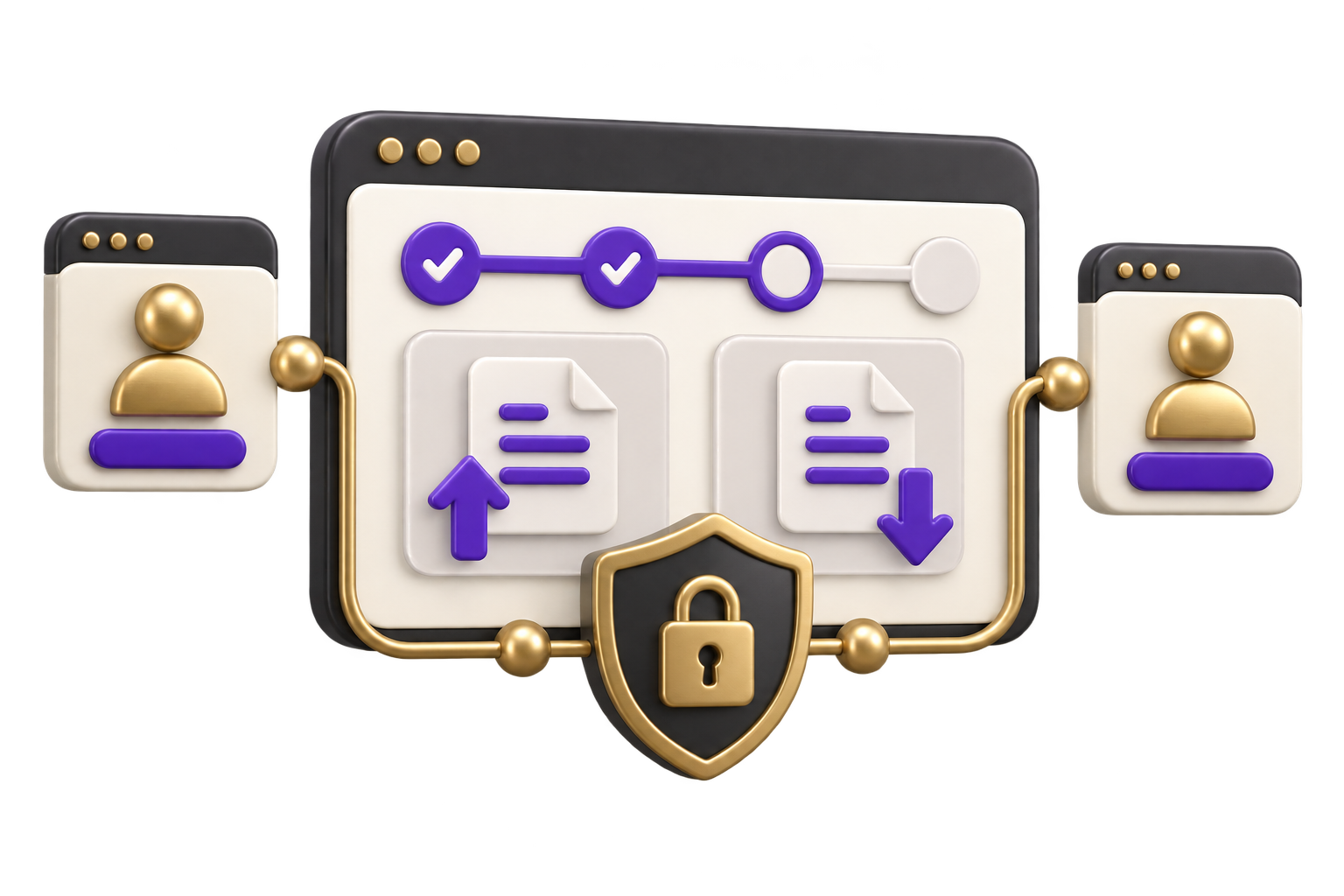
Require the approved readings, notes, attachments, decisions and closure authority that make later service history useful.
02 / Where it fits
The first pilot should own one asset class or maintenance path with known records and closure owners—not promise an ERP replacement, predictive maintenance or reduced downtime.
Keep request, diagnosis, assignment, work performed, evidence and closure linked to the correct asset.
Give authorised internal or external workers the required task context without exposing unrelated operational records.
Connect requested, approved, issued or unavailable parts to the maintenance event and its next decision.
Review downtime, exceptions, approval queues and service history using agreed definitions and source records.
03 / How we work
Follow an approved maintenance event across asset identification, assignment, parts, work, evidence, approval and existing systems.
Prototype permissions, queues, hand-offs, blocked states, downtime updates and closure rules with accountable users.
Run a limited asset group, then reconcile accuracy, access, evidence, failures and ownership before considering expansion.
Scope follows one asset class or service workflow, its identifiers, procedures, records, permissions, integrations, evidence, pilot users and closure authority. Software licences and devices remain separate.
Discuss your projectAsset IDs, hierarchy, locations, service history and the ERP, EAM, accounting or other record that remains authoritative.
Request types, priority, assignments, parts, downtime, procedures, attachments, approvals, escalation and authorised closure.
Available APIs or exports, identity, vendor access, migration, test records, training, rollback, support and acceptance responsibility.
Not by default. The pilot identifies which system remains authoritative and connects only the approved workflow, records and actions around it.
No. It can improve the structure and visibility of approved maintenance data. Predictive work requires suitable history, instrumentation, validation and a separate evidence-based scope, and outcomes cannot be guaranteed.
Possibly, when supported APIs, exports or other authorised interfaces exist. Identifiers, permissions, limits, data ownership and recovery behaviour are verified before an integration is committed.
No. Your authorised safety, engineering, quality and legal owners remain responsible for procedures, intervals, evidence, compliance interpretation and closure authority.
Yes, when required and approved. Visible assets, documents, actions, uploads, retention, identity, revocation and escalation must be explicitly scoped.
Service closed in a message but missing from the asset record?