Searchable product catalogues
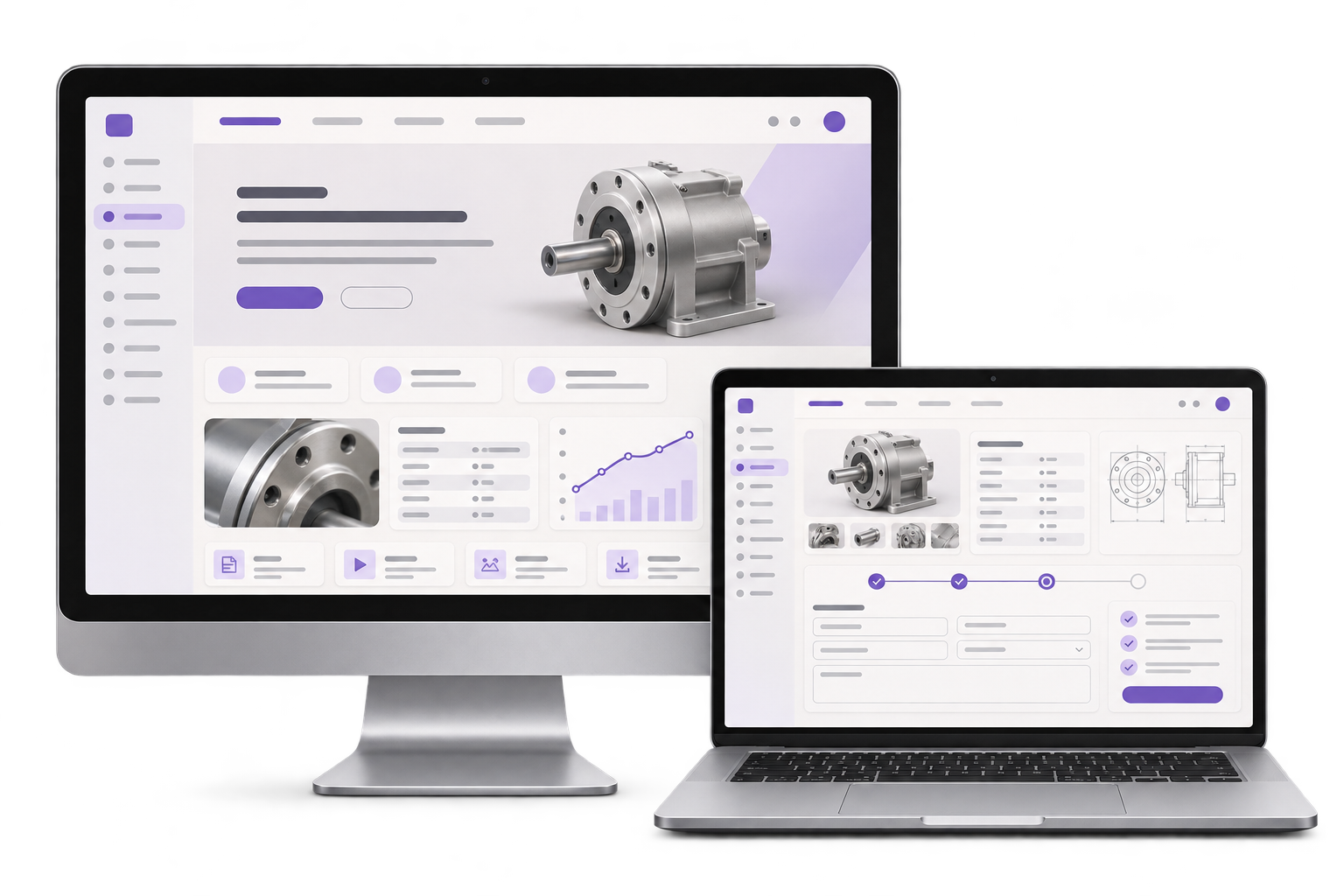
Group products by application and category. Give technical buyers relevant specification filters, approved datasheets and clear links to request a quote.

GreyBath builds B2B websites for Pune suppliers with searchable product catalogues, technical specifications and quote requests routed to the right sales or CRM queue.
Plan the B2B website scope
01 / What we build
Group products by application and category. Give technical buyers relevant specification filters, approved datasheets and clear links to request a quote.
Keep the product code, quantity, application and required delivery date with each RFQ when it reaches sales or the CRM. Define who can edit catalogue data in the CMS.
Inventory current URLs and integrations, verify replacement paths and document access, backups, launch and rollback responsibility.
City context, honestly stated
We work remotely with Pune teams through content workshops, design reviews and launch checklists; GreyBath does not claim a Pune office.
Connect applications, specifications, certifications supplied by the client and enquiry actions without burying essential evidence.
Map forms, campaign URLs, phone actions and redirects before replacing a site supporting current sales work.
Define editable fields, product data, approvals and access so updates do not depend on undocumented developer work.
Where it fits
This route fits organisations whose buyers need technical context and an accountable enquiry path. It does not imply a local office or industry certification.
Present capabilities, applications, specifications and qualification evidence supplied by the business.
Help partners find product information, territories, documents and the right enquiry route.
Explain expertise, delivery boundaries and the information needed to evaluate a project.
Keep shared brand and product content controlled while routing enquiries to accountable owners.
How we work
Agree buyer questions, page types, supplied evidence, enquiry routes and content owners.
Validate capability, product and enquiry layouts before producing the full agreed set.
Check redirects, mobile layouts, access and rollback. Send a test RFQ with a product code, drawing revision and attachment, then verify that sales receives all three. If CRM delivery fails, retry the same enquiry and check that it creates only one record.
Product depth, page types, supplied evidence, languages, CMS permissions, enquiry routing, integrations and migration risk shape the proposal. Search outcomes are not guaranteed.
Discuss your projectPage types, specifications, documents, photography, languages and material your team will approve.
RFQ fields, routing, CRM or ERP connections, analytics and third-party dependencies.
Current URLs, redirects, domains, hosting, access, backups, launch, rollback and ongoing editing responsibility.
Yes. Products can support specifications, documents, applications and quote requests without forcing a retail purchase model. The required data and editing workflow are scoped first.
We inventory important URLs, retain them where suitable and map agreed redirects. Rankings cannot be guaranteed, and post-launch monitoring is separately scoped.
Yes, when the target system, fields, permissions, duplicate rules and failure handling are defined. Third-party licences and vendor work remain separate.
Yes, when validated buyers need it. Your team supplies or approves translations, and the scope defines switching, layout testing and future maintenance.
A CMS can expose agreed fields and permissions. Handover records editable areas, access, training boundaries, backups and responsibility for future changes.
Technical buyers cannot find the right next step?