CRM & sales operations
Structure leads, quotes, follow-ups, accounts and approvals around how your sales team actually works.

We help Pune operations teams select one controlled workflow, reconcile its source data and build the permissions, exceptions and reporting needed for a phased system change.
See what the system can cover
01 / What we build
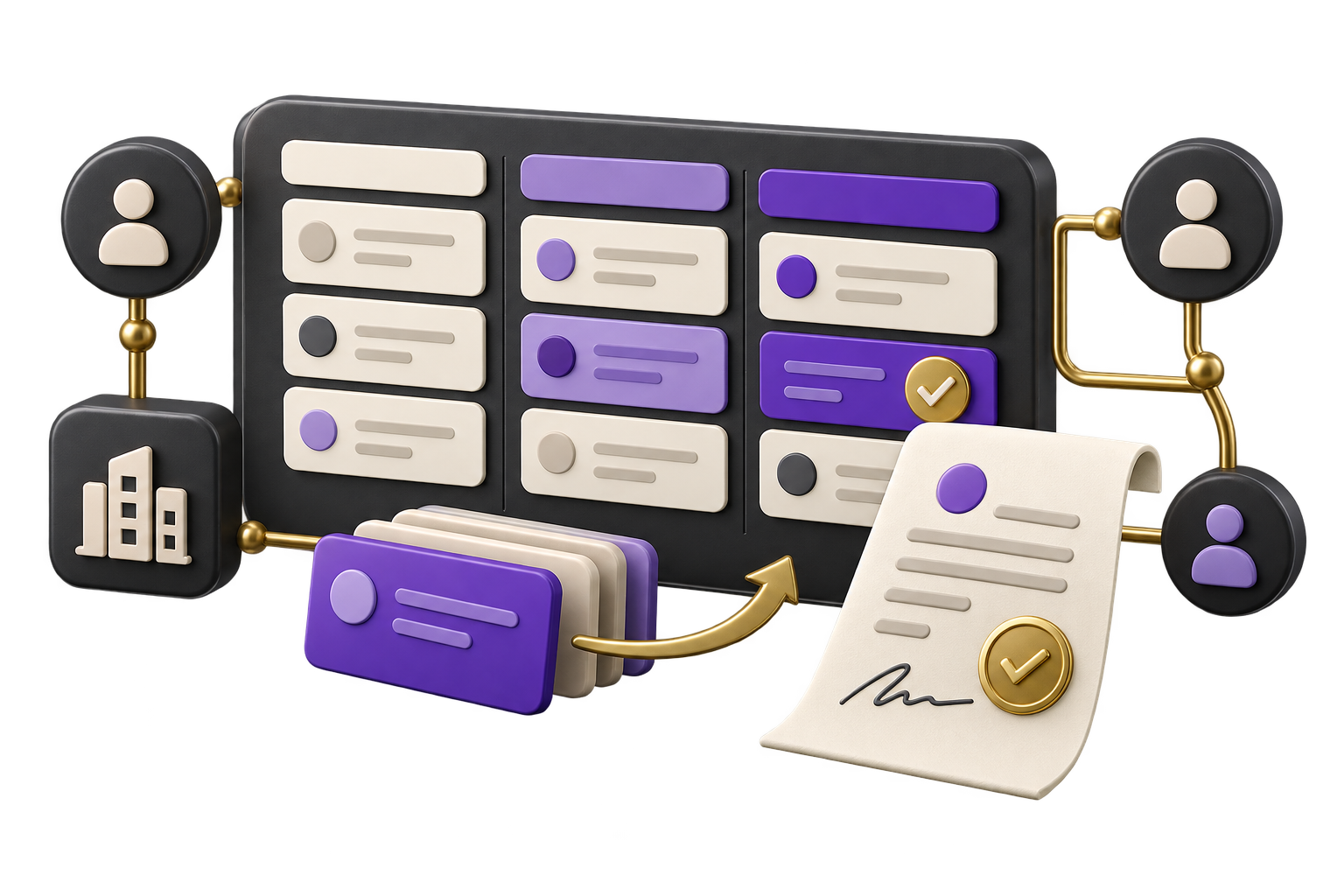
Structure leads, quotes, follow-ups, accounts and approvals around how your sales team actually works.
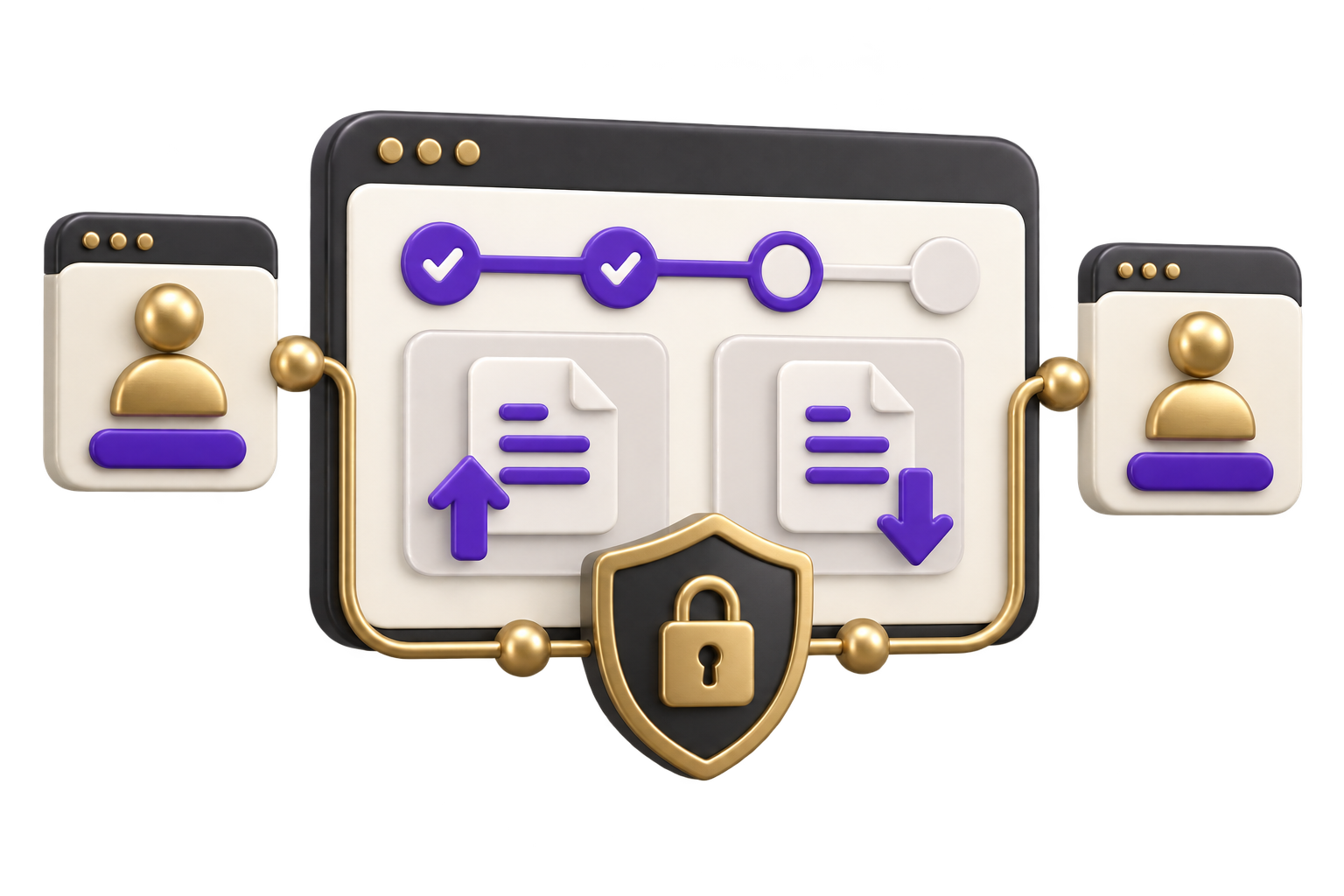
Give external users a secure place for orders, documents, status, requests and agreed self-service tasks.
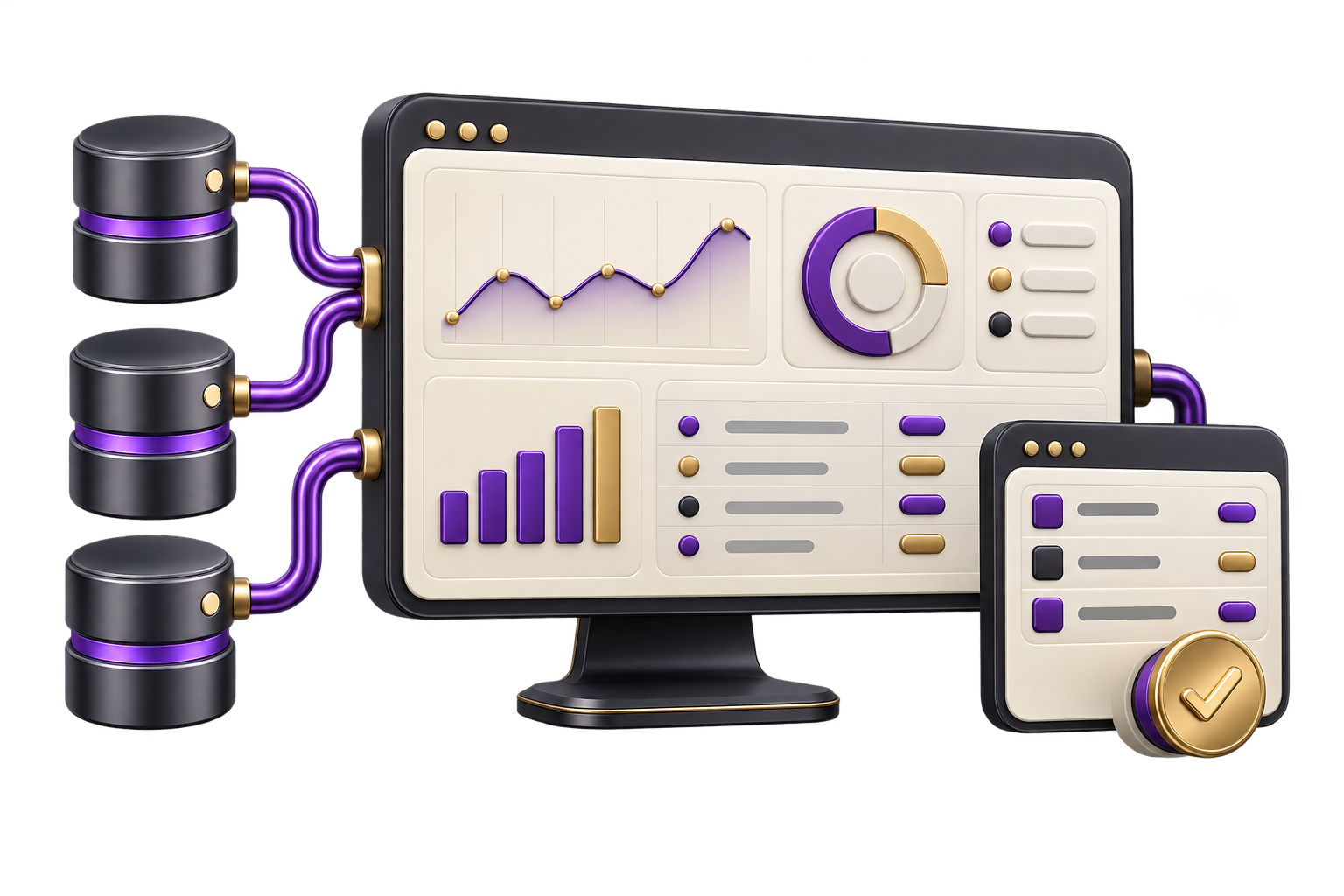
Bring operational events into role-based views, alerts and approvals with traceable history.
City context, honestly stated
Pune’s manufacturing, engineering and distribution context makes phased workflow design especially relevant; we work remotely and do not claim a Pune office.
Prioritise one workflow or team, protect current work and define rollback before broader rollout.
Shared records reduce repeated entry while role-based views keep each team focused.
English, Marathi or Hindi guidance can be scoped after reviewing users, devices and terminology.
02 / Where it fits
The system should connect decisions across the business without giving every user the same crowded screen.
Coordinate quotes, production stages, quality records, dispatch and service.
Manage partner onboarding, orders, price rules, stock visibility and claims.
Connect assignments, visits, parts, evidence and completion records.
Standardise core data while preserving authorised local actions and reporting.
03 / How we work
Follow real records through teams, identify duplicate work and agree the first measurable release.
Review screens, permissions, exceptions and reporting before building the connected workflow.
Migrate agreed data, test with a pilot group, document controls and expand only after review.
Users, workflows, source ownership, data quality, integrations, permissions and rollout phases determine the work. Licences, hosting and third-party fees are identified separately.
Discuss your projectThe events, owners, exceptions and controls the system must support.
Existing records, import quality, APIs, devices and systems that must exchange information.
Pilot group, training, access, documentation, backups and post-launch responsibility.
Possibly, if the current system provides suitable APIs, exports or other supported interfaces. We verify access, ownership, limits and failure handling before quoting integration.
Usually not. We can define a first workflow and integration boundary, then phase later modules after the pilot proves the data and operating model.
We profile agreed source data, define mapping and validation rules, run test imports and record exceptions. Final migration timing and ownership are agreed before launch.
Yes. Roles and permissions are designed around responsibilities, including approval limits, record visibility and administrative access.
The proposal states source-code handover, licences, repositories, hosting accounts, credentials, documentation and any ongoing support before work begins.
Too many spreadsheets and status calls?