Product model & tenant rules
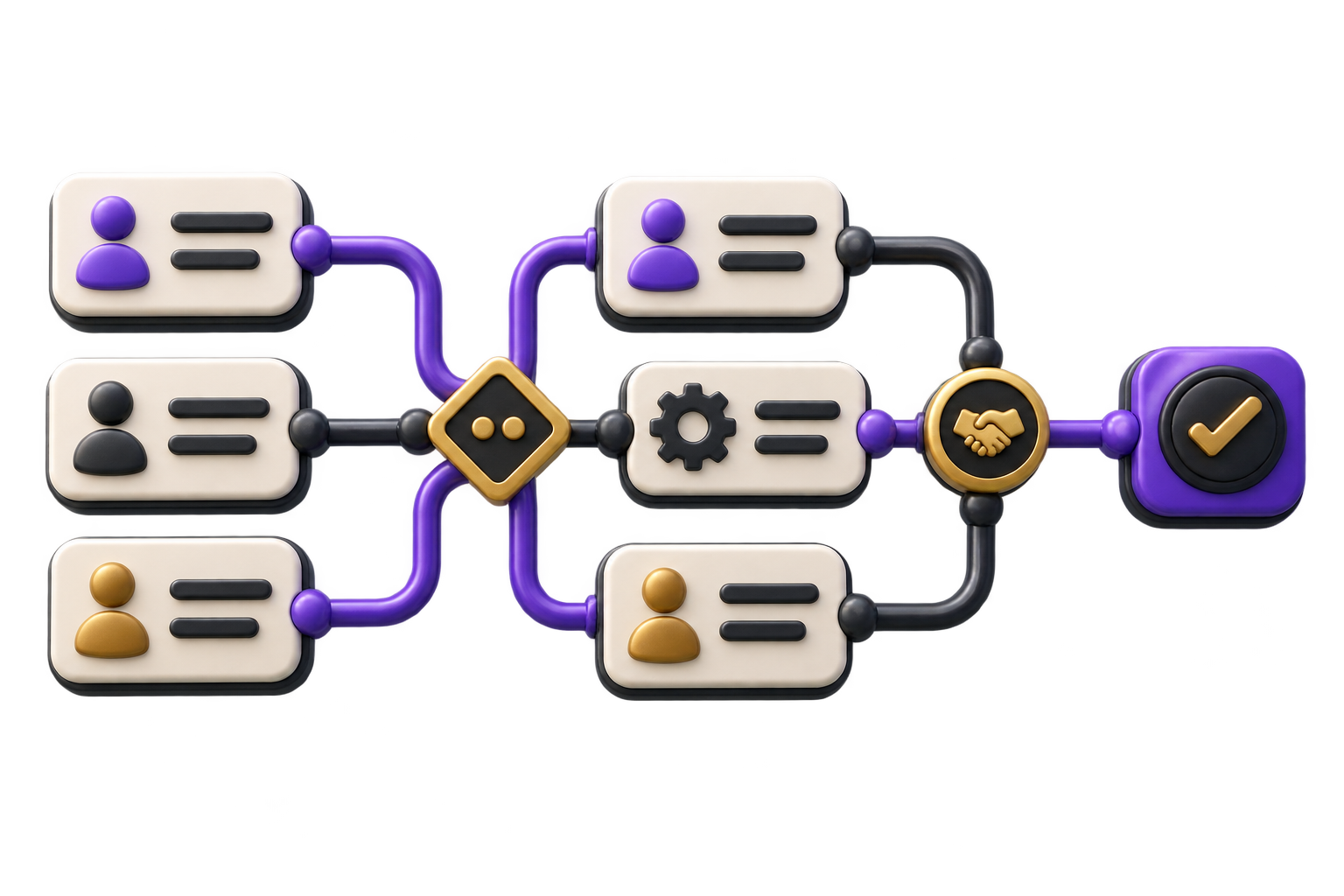
Map users, tenant boundaries, configurable rules, shared states and exceptions into a versioned product decision model.

GreyBath helps Noida software and services teams turn client-specific enterprise workflows into a configurable SaaS product with clearer roles, tenant rules and release decisions.
Review the SaaS product design scope
01 / What we build
Map users, tenant boundaries, configurable rules, shared states and exceptions into a versioned product decision model.
Prototype one multi-role journey including administrator setup, permissions, errors, empty states and tenant-specific variation.
Define components, state behaviour, accessibility expectations, design tokens and acceptance notes for implementation.
City context, honestly stated
We work remotely with Noida teams through product workshops, prototype reviews and documented decisions; GreyBath does not claim a Noida office.
Identify which rules belong in configuration, permissions or workflow design before one-off changes harden into separate products.
Design onboarding, tenant setup, roles, imports and support actions alongside end-user journeys.
Show what customers can configure, what needs approval and what remains controlled by product and engineering owners.
02 / Where it fits
A useful first engagement owns one recurring workflow and the tenant rules around it—not an entire product transformation.
Productise a repeatable client workflow without preserving every historical implementation choice as permanent code.
Clarify shared capabilities, tenant configuration, roles and administrative controls before adding more accounts.
Align interface states with tenancy, entitlement, API and audit constraints that already govern the system.
Make decisions traceable across discovery, design, backlog acceptance and release planning.
03 / How we work
Review approved examples and identify stable tasks, repeated variation, contractual rules and avoidable forks.
Test administrator setup and end-user workflow together, including permissions, errors and edge cases.
Document components, states, rules, dependencies and acceptance criteria for the agreed build boundary.
Scope follows one recurring workflow, target tenants, roles, configuration depth, migration needs, technical constraints and implementation ownership.
Discuss your projectShared features, configurable rules, tenant data, entitlements and exceptions that require a deliberate product decision.
Existing configurations, imports, defaults, validation, audit history and recovery behaviour needed for pilot tenants.
Research access, architecture decisions, build responsibility, acceptance, rollout, documentation and ongoing product governance.
It can include interface redesign, but the core work separates shared product behaviour from tenant configuration, roles, data and implementation constraints before polishing screens.
We can map recurring differences and propose configuration boundaries. Consolidation depends on architecture, contracts, migration risk and product approval; no fork is removed automatically.
No. Start with approved representative implementations, user roles and support evidence. Access is minimised, and sensitive data can be redacted or substituted in research materials.
Implementation can be scoped when repositories, architecture, environments, responsibilities and acceptance criteria are clear. Design and handoff can also stand alone.
Yes, when validated users and markets require it. Your team supplies or approves terminology, while scope covers layout, content ownership and test cases.
Client variation keeps becoming custom code?