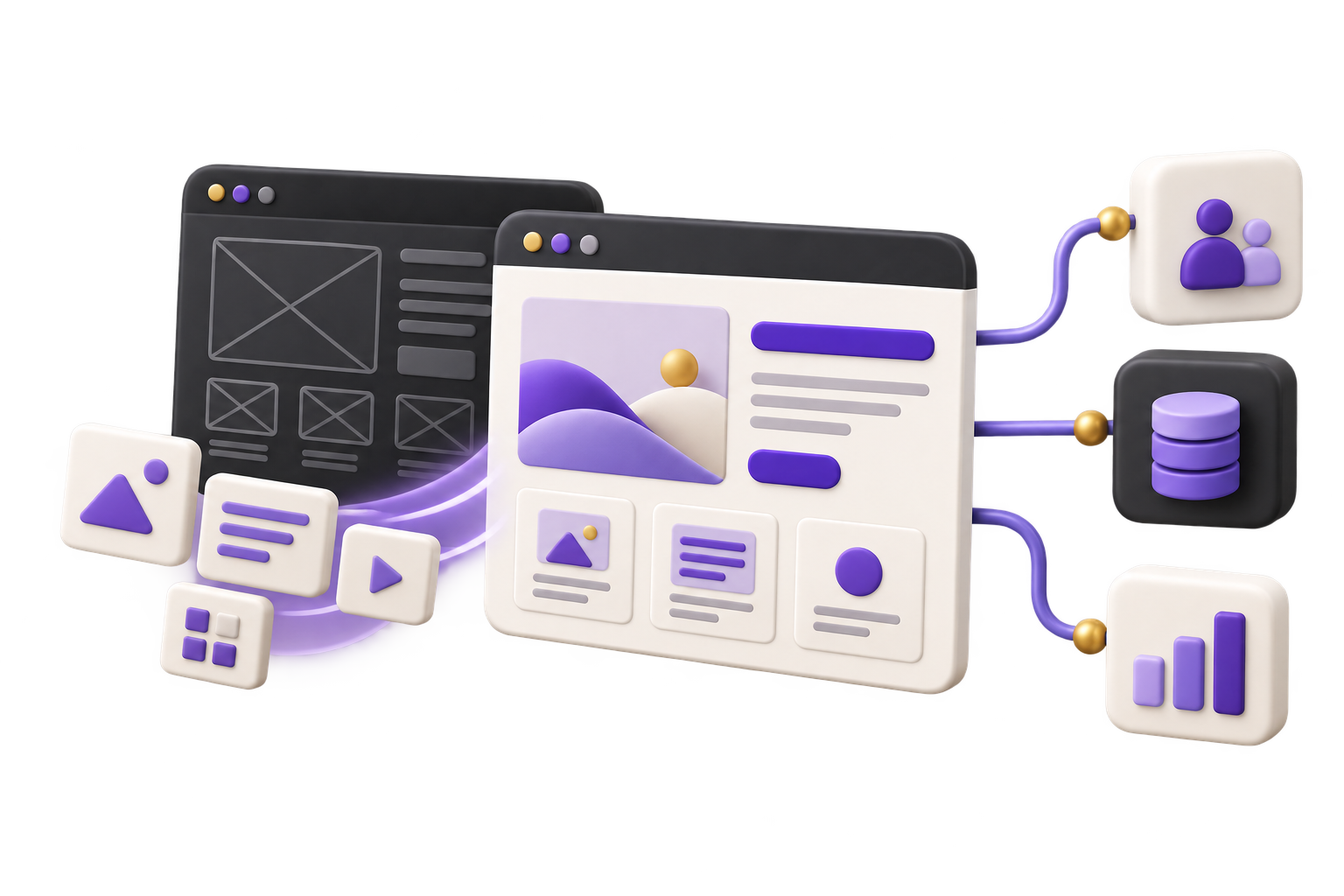
Product and capability architecture
Map product families, applications, attributes, compatibility, evidence, documents, audience routes and search behaviour.

GreyBath helps Ludhiana product teams turn specifications, applications and enquiry requirements into a maintainable B2B website with accountable ownership.
Plan the product-content model
01 / What we build
Map product families, applications, attributes, compatibility, evidence, documents, audience routes and search behaviour.
Design responsive patterns for categories, products, capabilities, downloads and enquiry context using representative content.
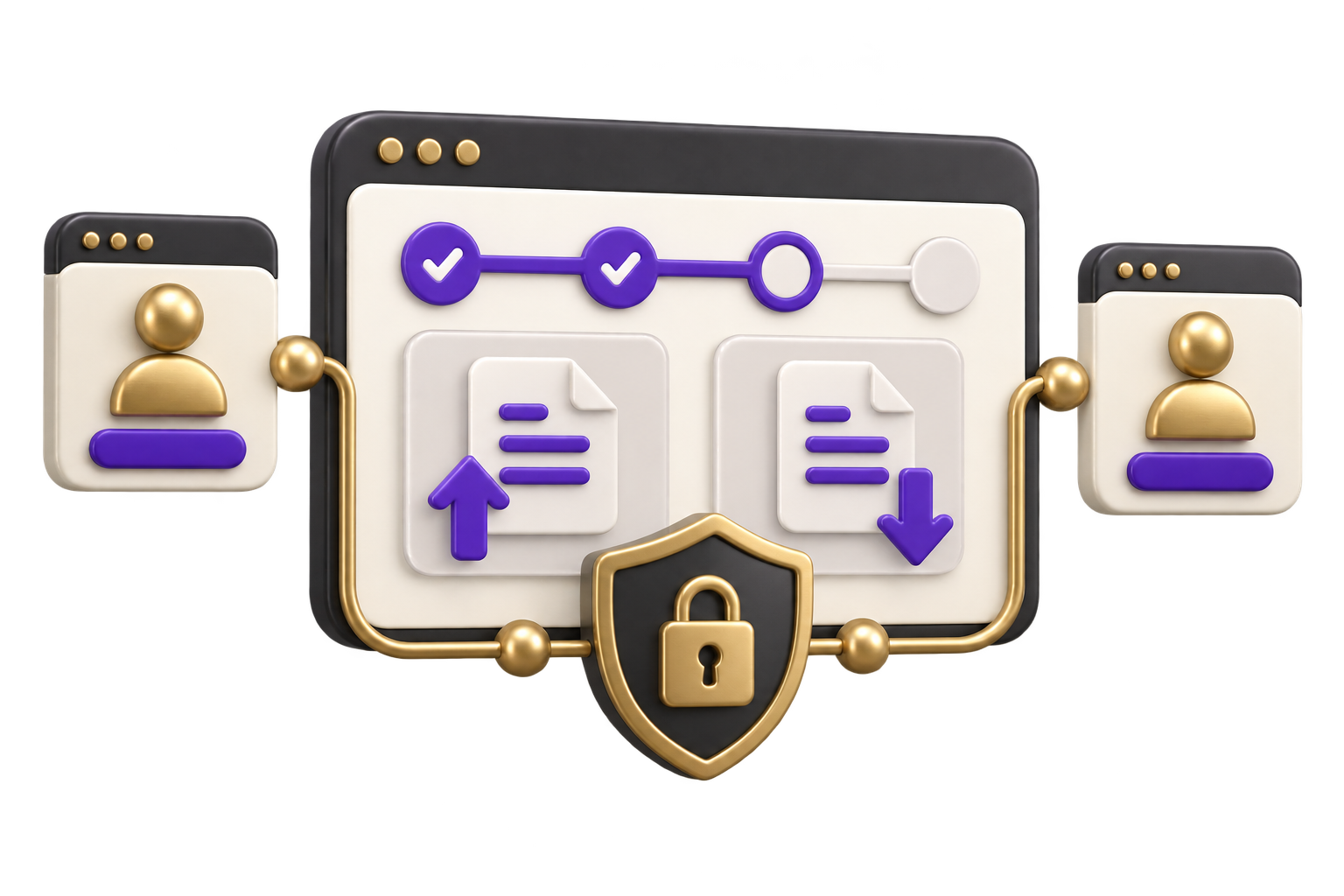
Specify upload safety, routing, acknowledgement, legacy URLs, redirects, archive handling, launch checks and ownership.
City context, honestly stated
We collaborate remotely with Ludhiana teams; GreyBath claims no local office, manufacturing credentials or outcomes. Official district and planning material supplies context only.
Organise application, compatibility, material, dimensions, performance and document fields from approved source data.
Name owners, review dates and superseded states for technical PDFs, certifications, capacity statements and export claims.
Collect useful requirements and drawing uploads with validation, privacy controls and a named response owner.
02 / Where it fits
The examples reflect officially documented local industries, not claimed expertise, clients or results. Actual products, evidence and buying process determine the website scope.
Structure materials, constructions, sizes, applications, care, minimums and approved capability information.
Connect parts, models, compatibility, drawings, specifications and dealer or OEM enquiry paths.
Present application, capacity, tolerance, accessory, service and technical-document information clearly.
Separate capabilities and product families while sharing governance, identity and enquiry ownership.
03 / How we work
Review representative records, documents, search terms, enquiry inputs and current ownership.
Test navigation, product comparisons, resources, mobile reading, accessibility and RFQ context.
Validate content, permissions, forms, uploads, redirects, archives, analytics and accountable handover.
Scope follows product breadth, approved evidence, document volume, languages, CMS roles, RFQ requirements, integrations, migration risk and post-launch ownership.
Discuss your projectRepresentative records, terminology, images, documents, certifications, owners and review dates.
Required fields, file controls, consent, routing, acknowledgement, duplicate handling and response responsibility.
CMS roles, approvals, archives, URLs, redirects, analytics, hosting, backup and future maintenance.
Yes, if representative source data supports a stable attribute model. We test category, filter and product patterns before committing to bulk migration.
Each governed document needs an owner, version or review state, durable URL strategy and a clear way to archive or replace superseded material.
Yes, when file type, size, scanning, access, retention, consent and secure staff retrieval are explicitly designed and tested.
Only current, approved evidence should support those claims. Your accountable owner must verify wording, scope, dates and any certification marks before publication.
No guarantee is possible. We inventory important URLs and implement approved redirects, metadata and monitoring, but search engines control crawling and ranking.
Buyers cannot find the current specification or enquiry route?