Source-linked receipt screen
Capture one supplier lot, its intake ticket and the recorded weight. Define how manual corrections retain the source reading and reviewer.

Track how much fruit arrived, what your team accepted and which quantities still need a decision before procurement closes a receipt.
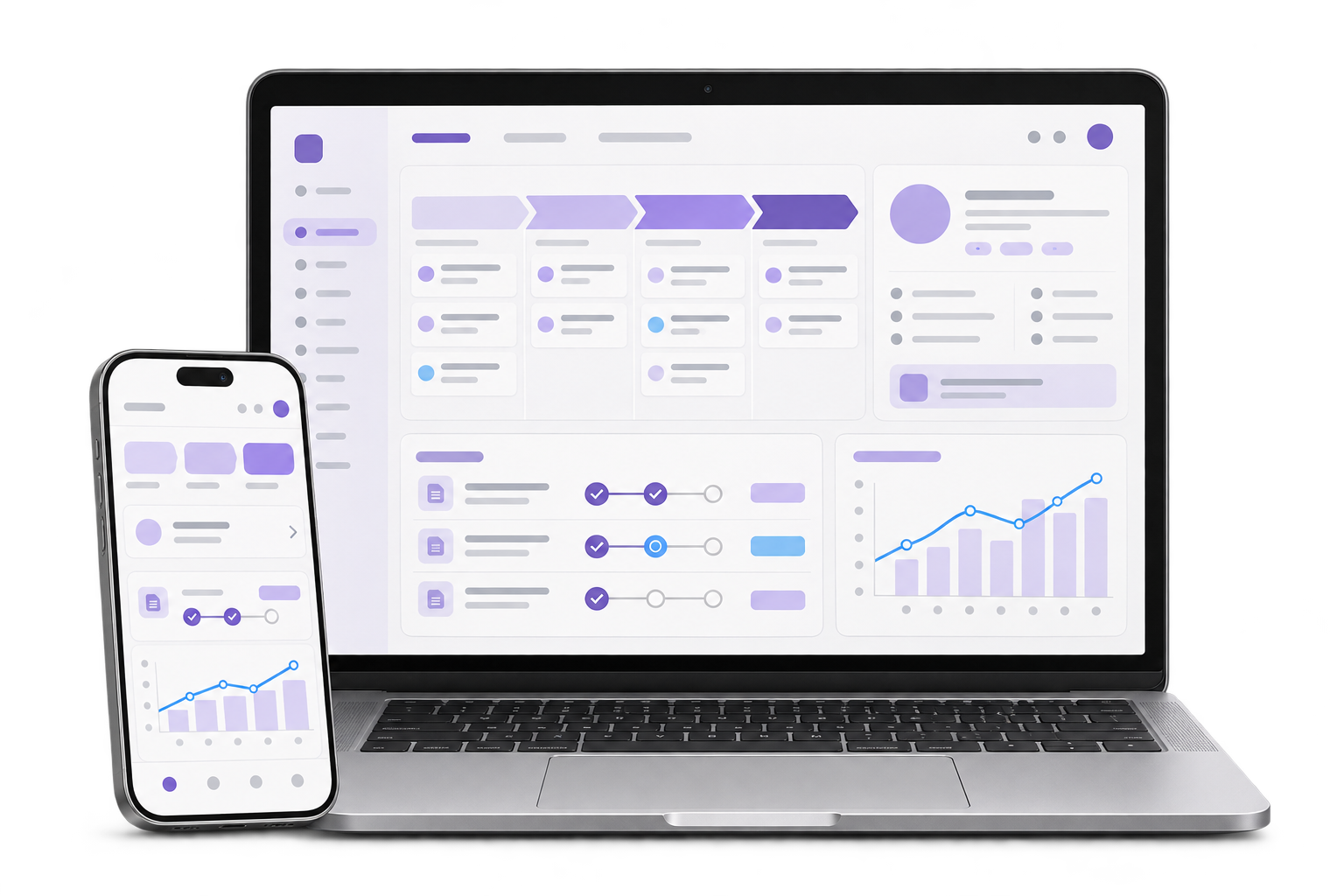
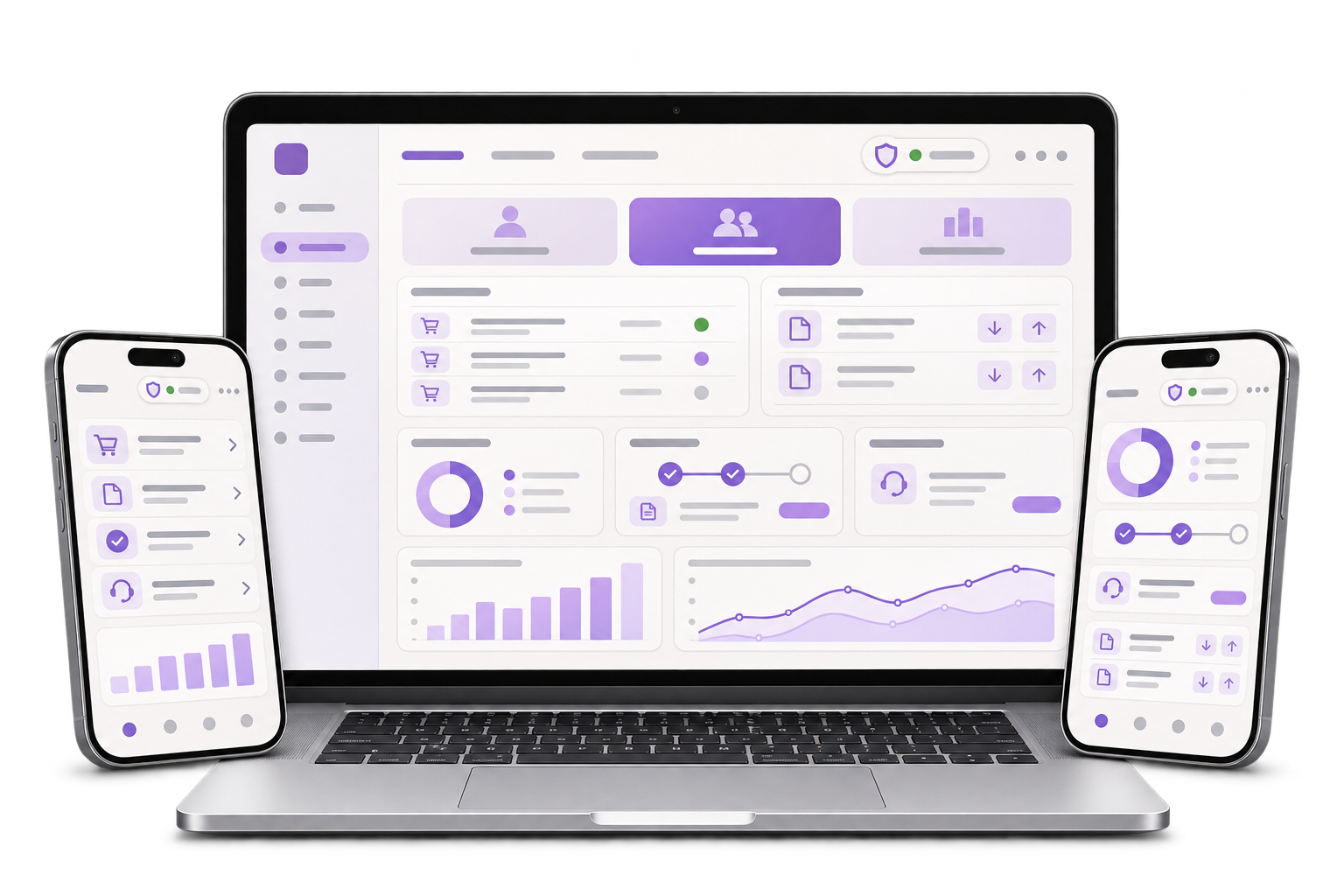
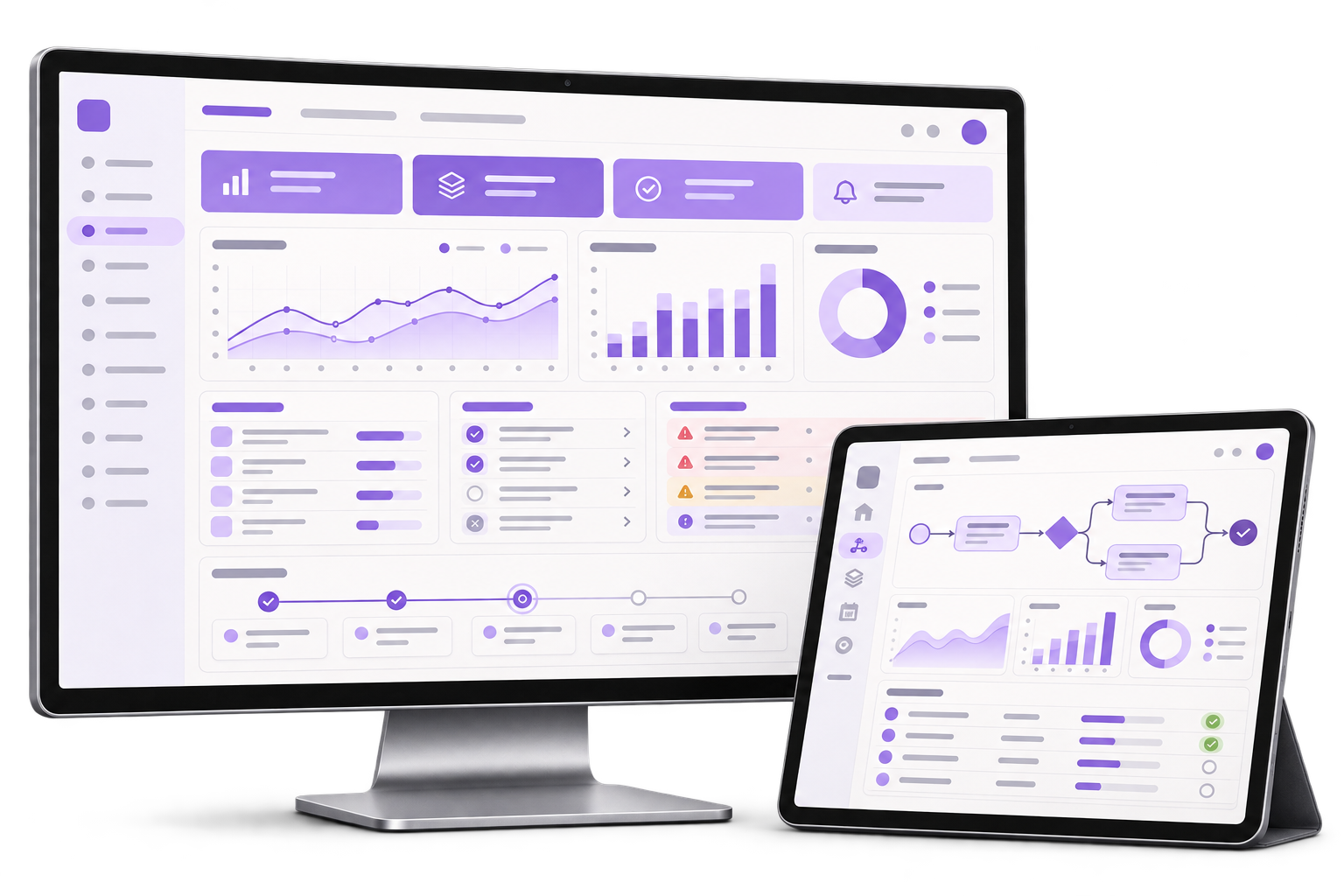
See the split receipt
01 / What we build
Capture one supplier lot, its intake ticket and the recorded weight. Define how manual corrections retain the source reading and reviewer.
Show the affected portion, location and owner. Record split decisions and link them to the original lot and the person who authorised each change.
Present the reconciliation to purchasing and the next operations team. Flag any unresolved discrepancy or quantity still awaiting an authorised decision.
City context, honestly stated
The Agricultural and Processed Food Products Export Development Authority identifies Krishnagiri as a mango pulp cluster. This fictional intake example explores how one processor could reconcile accepted, held and declined quantities. GreyBath delivers remotely.
A fictional processor records 1,180 kg of fruit at intake for supplier lot KM-17. Keep the supplier reference, intake ticket and original quantity together. A staff member can then correct a transcription error with a reason while retaining the original ticket and change history.
The intake decision records 800 kg accepted, 240 kg held for review and 140 kg declined. Assign the held portion a reference under KM-17 and show its location. The available quantity for the next operating step is 800 kg under the example plant’s rules.
A reviewer later accepts 180 kg and declines 60 kg from the held portion. The final balance is 980 kg accepted and 200 kg declined. Give procurement that outcome, the decision time and the original ticket, then record the supplier’s disposition separately. Procurement applies its agreed commercial terms.
Where it fits
Start with one redacted receipt and a real question about how your staff handle a hold. Ask each role which evidence it needs to make or act on its decision.
Capture the source ticket, supplier lot and recorded intake weight so a later reviewer can find the original record.
Record the decision for each portion under the plant’s own procedures and identify anything still on hold.
See the quantity cleared for the next step and where staff can locate the corresponding portion.
Match the final quantity decision to the supplier lot and raise any commercial discrepancy through the purchasing process.
How we work
Create KM-17 and record the source ticket. Split the receipt into the three example quantities and confirm the total.
Ask a production coordinator to identify the 800 kg cleared for use and find the 240 kg hold without opening a second register.
Record the 180 kg and 60 kg decisions. Check that procurement sees 980 kg accepted and 200 kg declined, with the earlier state available.
Pilot one intake point and one supplier receipt type. The processor owns its sampling, acceptance, food safety and supplier settlement procedures. Agree which source controls each value before connecting any existing system.
Discuss your projectConfirm how staff identify source lots and tickets, record weights and handle corrections or separate deliveries from one supplier.
Agree which role opens a hold, which role can clear it and what evidence the reviewer must capture before that portion moves.
Decide how each team receives reviewed quantities and where supplier communications, pricing and any rejected stock disposition are recorded.
Yes. Link each portion to the original lot and keep the quantities reconciled. Give each portion its own decision status and reference.
Yes. Bring a redacted export and agree how its reference matches the receipt. Scope direct integration after confirming the supported interface and the source system owner.
Your authorised team defines and makes the acceptance decision. The workflow records the decision, supporting evidence and the affected quantity.
Yes. Show the source ticket and initial quantity beside the reviewed breakdown, with any supplier follow-up separately identified.
Bring a redacted source ticket and a fictional or anonymised split receipt. Describe who decides a hold and what purchasing needs from that decision.
The truck receipt is open and a portion is on hold.