Foundry positioning and wording
Create approved names for the company and capability groups. Agree language for sample condition, quoted scope and separately reviewed processes.

Keep your company name, sample reference and casting scope visible when a buyer forwards your capability sheet or passes the part to engineering.
See the foundry sample handoff
01 / What we build
Create approved names for the company and capability groups. Agree language for sample condition, quoted scope and separately reviewed processes.
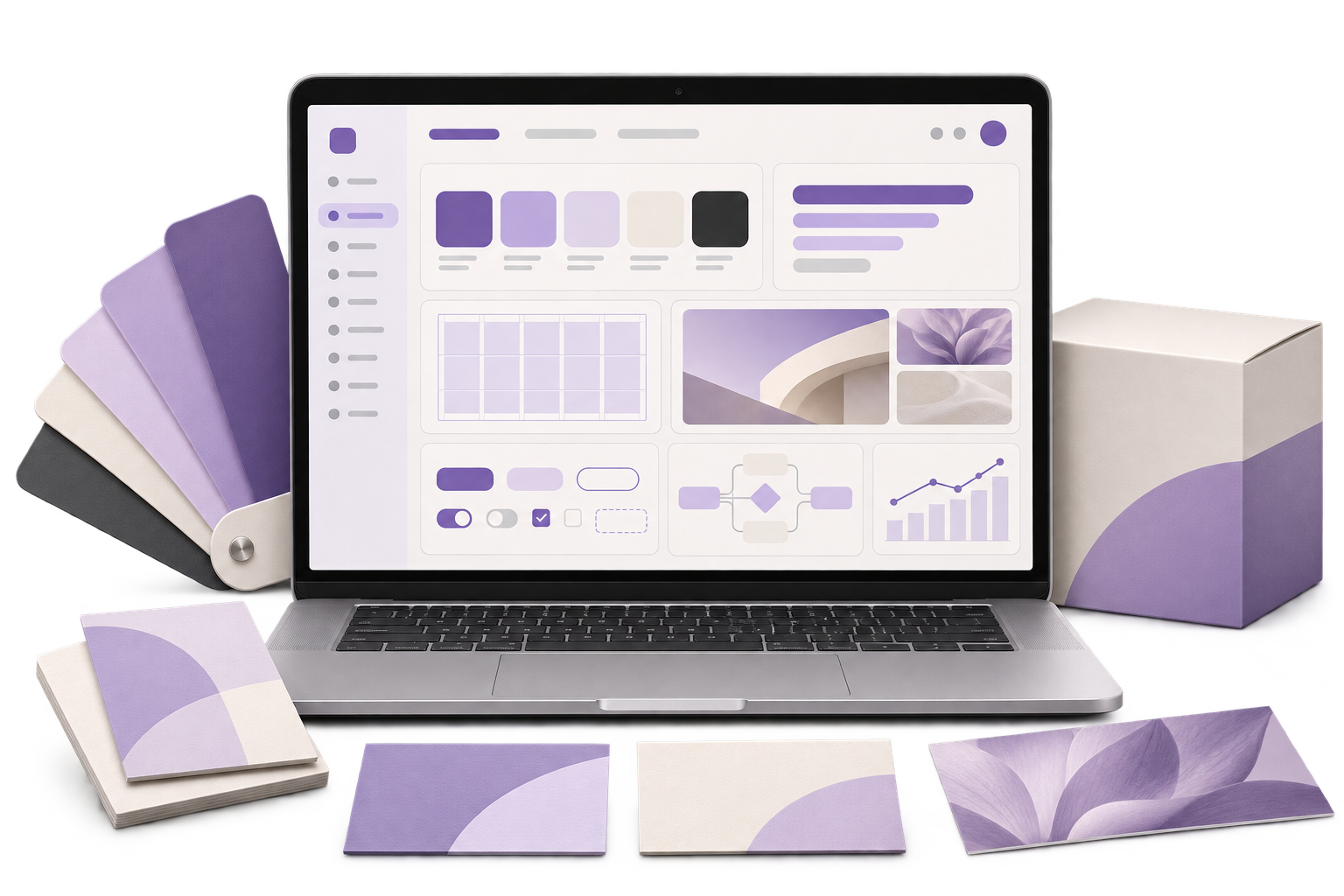
Design typography, colour and information hierarchy for the capability sheet and small sample tag. Proof both at actual size and check a greyscale print.
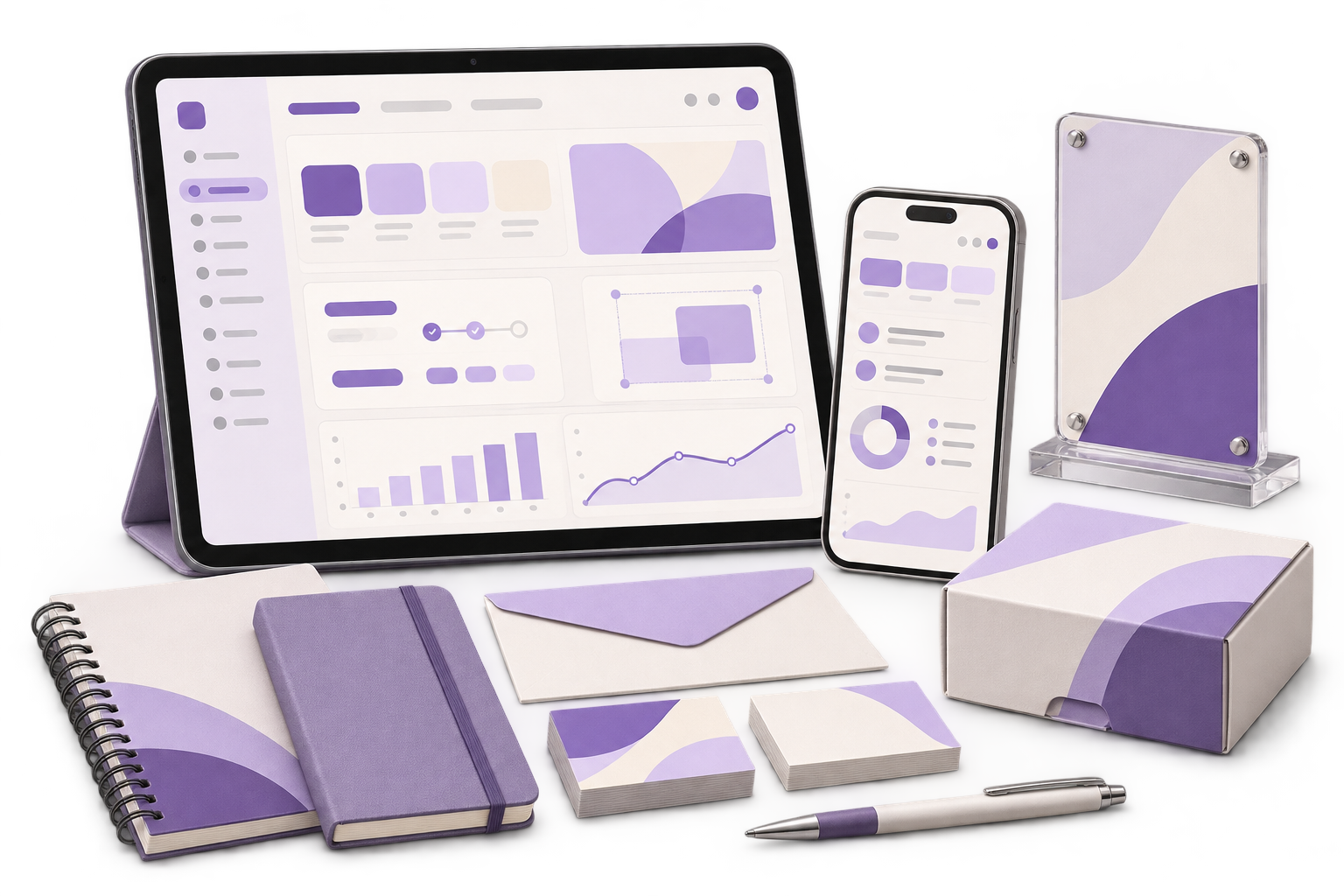
Supply editable layouts for a capability sheet, sample tag and quotation cover. Mark which fields carry the supplier identity and which are filled for each offer.
City context, honestly stated
The Bureau of Energy Efficiency identifies Kolhapur as a foundry cluster, and the MSME Testing Centre lists a local station for foundry products. This invented supplier example looks at the sales material a buyer sees before requesting a quote. GreyBath delivers the identity work remotely.
A fictional foundry sends an unmachined housing sample tagged FH-07. Purchasing receives the PDF and sends the part to engineering. Repeat FH-07 on the tag and the sheet, with your approved company name and enquiry route. A loose part can then be matched to the right conversation without relying on the email trail.
The accompanying photo shows a machined example. Caption what the photo shows, label FH-07 as an unmachined demonstration sample and give the sheet distinct lines for casting and optional machining. Ask the owner to approve how outside machining is described if a partner performs it.
Print only the second page of the capability sheet. Check that it still identifies the supplier, document revision and enquiry route. Use the same company naming on the tag and quotation cover so a buyer can connect materials that arrive on different days.
Where it fits
Use one representative sample that the foundry can show publicly. Ask sales and engineering how they would explain the photographed finish and where the buyer can ask about their own part.
Approve the company identity, capability categories and language for any partner work.
Use the same sample reference and scope wording when they send the sheet and prepare a quote.
Identify the sample and the condition shown before asking a specific manufacturing question.
Maintain readable company, reference and revision details in each output format.
How we work
Hand the sample to one reviewer and the printed capability sheet to another. Ask them to match the reference and find the supplier contact.
Show the machined image beside the unmachined sample. Ask each reviewer which work is shown and what needs discussion before a quote.
Ask sales to add a fictional sample and re-export one sheet page. Check the revision and approval fields are still visible.
Agree one sales kit and one decision-maker for capability wording. The foundry supplies approved images and defines actual processes, commercial scope and evidence for any quality claim.
Discuss your projectConfirm how the trading name, sample identifier and contact appear together across labels and documents.
Agree which example photos, capabilities and marks may be shown and who approves each reference.
Check the usable tag dimensions and printed output, and assign an owner for capability changes.
Yes. Apply your approved mark and improve the typography, reference hierarchy and reusable sales templates first.
Yes, with permission and an accurate caption. Label the sample condition and explain how the buyer can confirm which work the foundry would quote.
Use the controlled technical documents and authorised review process. The sales kit gives the buyer a reference and contact for that discussion.
Use only current, approved marks and evidence relevant to the actual supplier and scope. Ask the responsible owner to approve the proof.
Bring an approved photo, a blank tag and a redacted capability sheet. Describe one question that purchasing and engineering ask differently.
The sample has reached engineering. Can they find its scope and source?