Mobile and backend readiness map
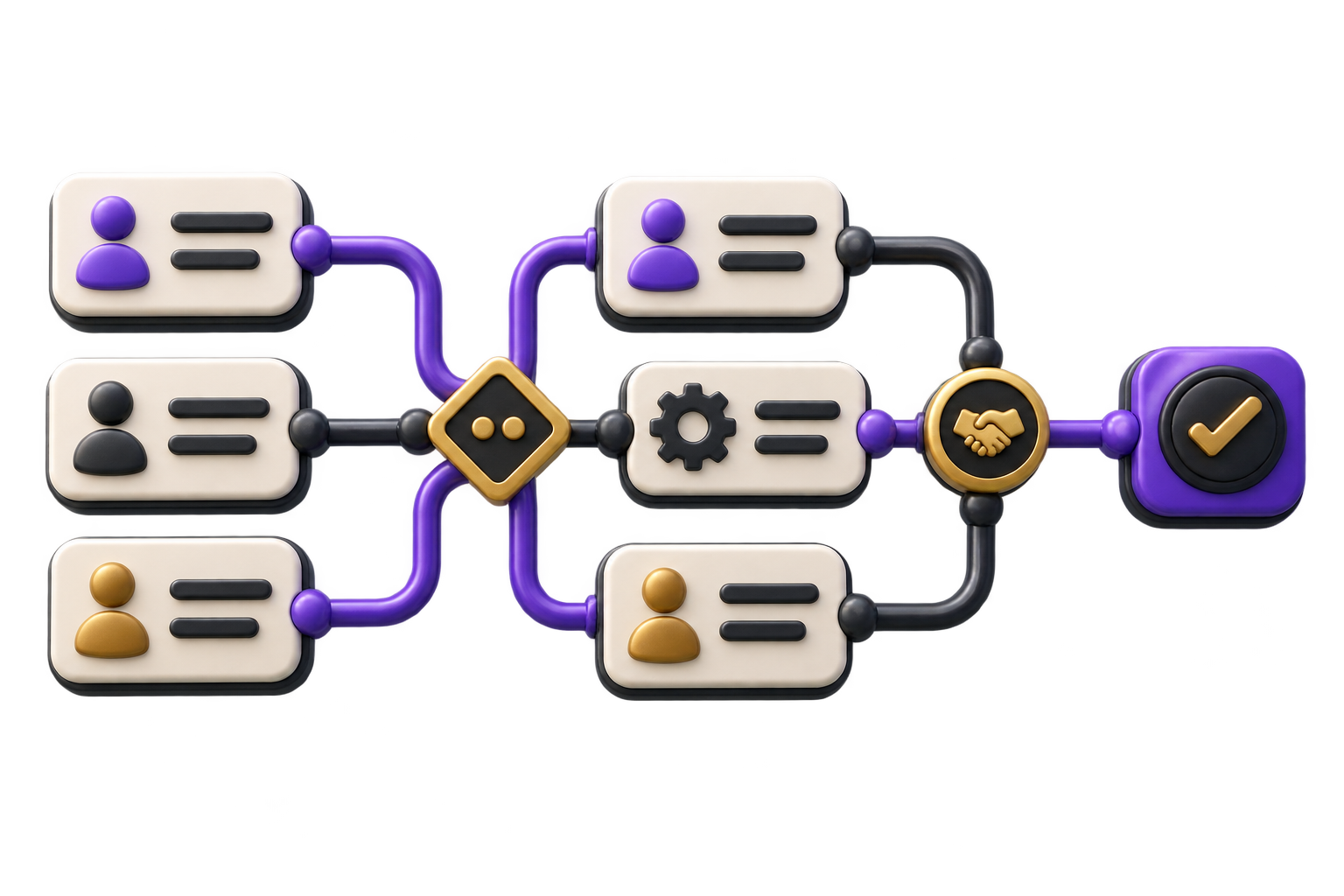
Define users, tasks, devices, APIs, authentication, data, third-party services and the minimum viable release.

GreyBath helps Hyderabad teams define API-connected mobile products, test permissions and failure states, and establish clear release ownership before store submission.
Define the mobile release
01 / What we build
Define users, tasks, devices, APIs, authentication, data, third-party services and the minimum viable release.
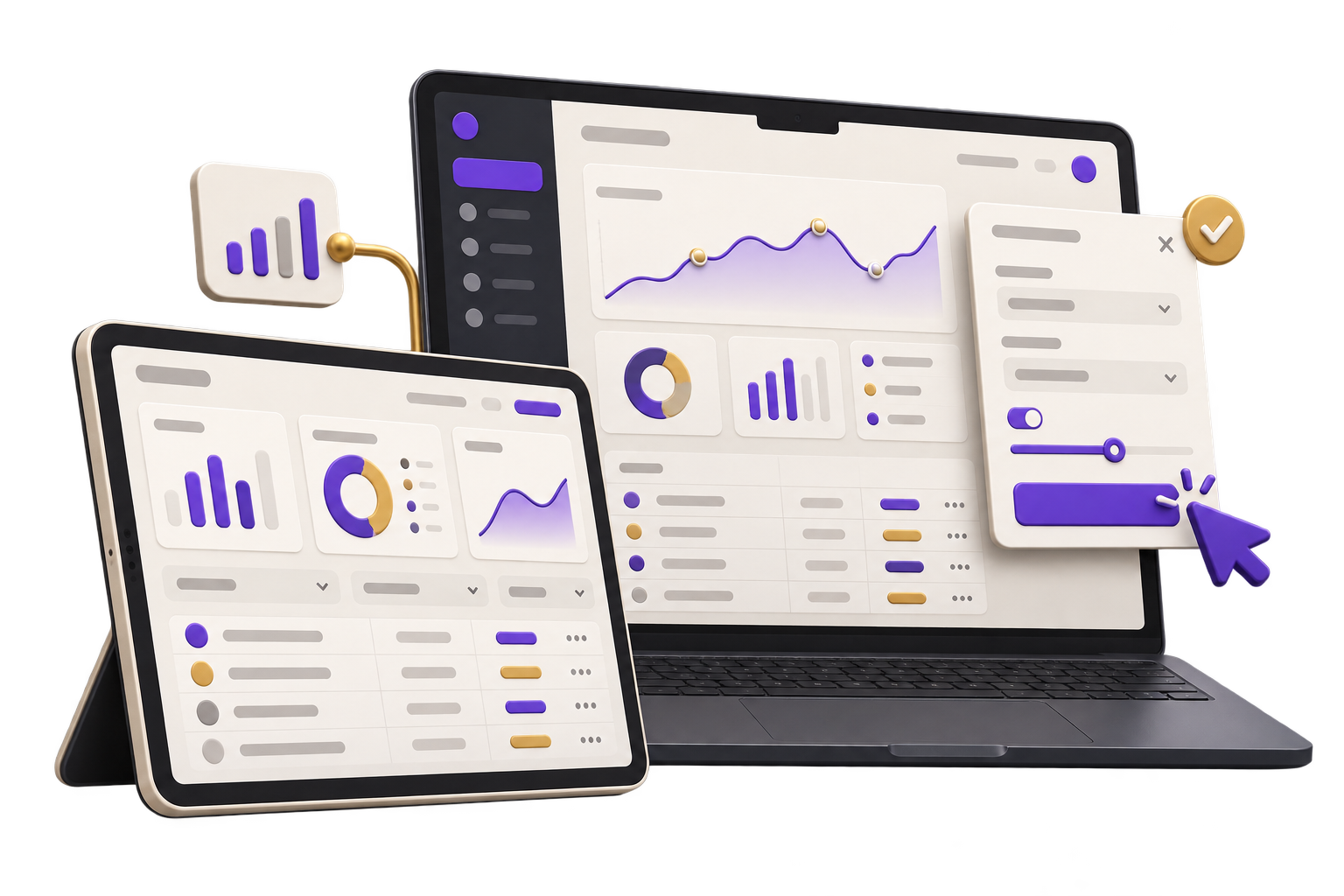
Test permissions, responsive states, offline behaviour and recovery using realistic data before final implementation.
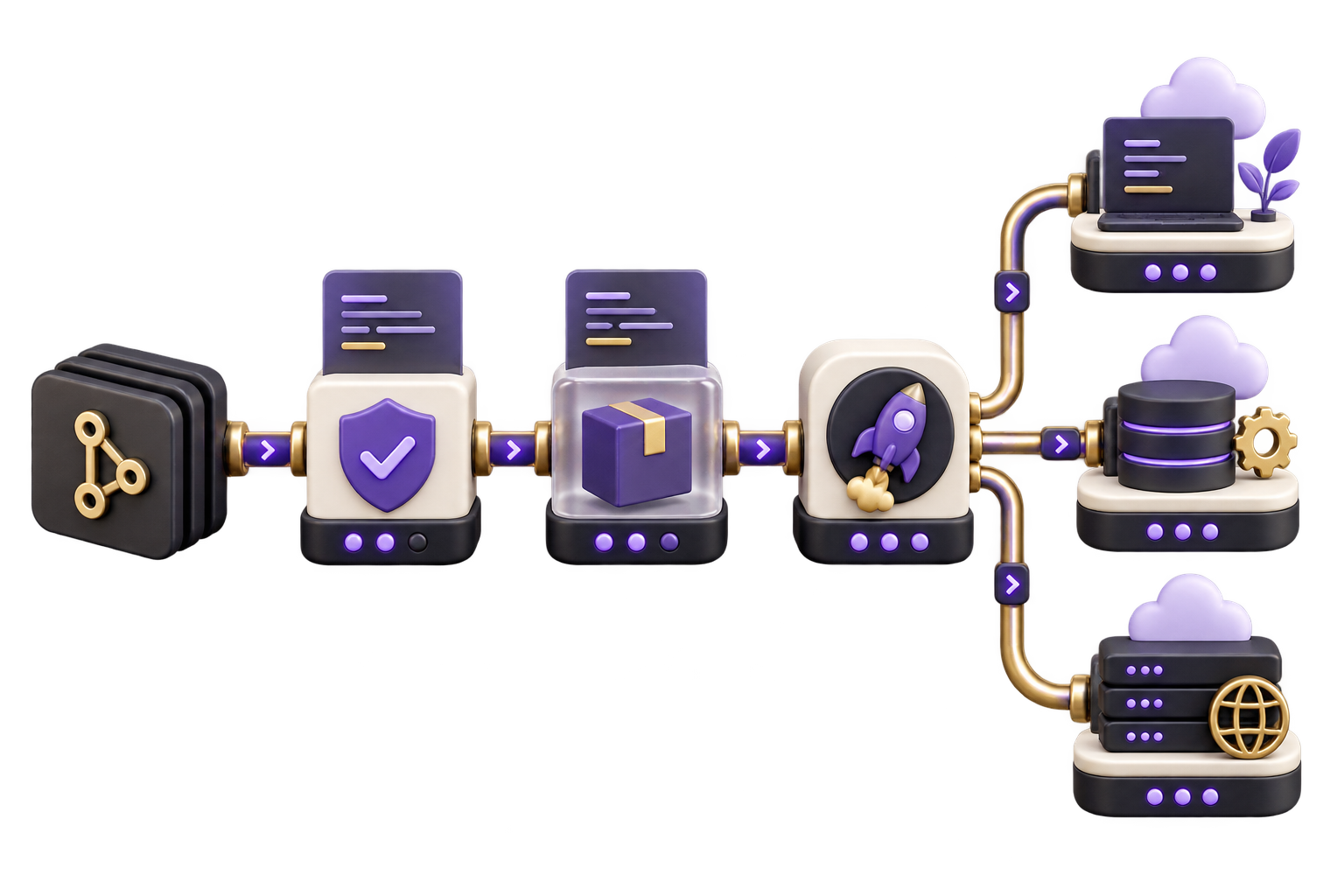
Verify supported devices and error paths, then document signing, listings, monitoring and post-release ownership.
City context, honestly stated
We collaborate remotely with Hyderabad teams through API reviews, shared builds and release check-ins; GreyBath does not claim a Hyderabad office.
Confirm authentication, APIs, data ownership and failure responses before a polished mobile interface hides unresolved dependencies.
Explain camera, location, notifications, queued actions, conflicts and recovery instead of testing only ideal connectivity.
Record store accounts, signing, telemetry, incident response and future update responsibility before submission.
02 / Where it fits
This pathway fits a defined mobile job connected to existing or planned services. It is not a promise that every business process needs an app.
Capture assignments, evidence, parts and completion status where the work happens.
Support account actions, bookings, documents and alerts that benefit from recurring authenticated access.
Offer focused mobile decisions without exposing an entire desktop operations system.
Pair a physical or digital product with controlled setup, status and support journeys.
03 / How we work
Map the mobile job, user, data, services, constraints and release owner.
Test permissions, offline states, errors and recovery before committing the full build.
Test supported devices, complete controlled submission and document operational ownership.
User roles, platforms, APIs, offline rules, device capabilities, security inputs, store accounts and operational ownership determine the work. Ongoing support is separate.
Discuss your projectSupported iOS and Android versions, camera, location, notifications, storage and accessibility needs.
APIs, authentication, sync, analytics, third parties and failure handling required by the app.
Test devices, store ownership, signing, privacy inputs, monitoring and responsibility for future updates.
Yes, after reviewing available APIs, authentication, data rules and error responses. Missing backend work is scoped explicitly rather than hidden inside interface estimates.
Yes, when cached data, queued actions, conflict resolution, security and recovery are defined. Offline support is not an automatic whole-app mode.
The choice depends on device capabilities, performance, team skills, update cadence and budget. We document the trade-off before committing.
Client-controlled accounts and documented access are normally preferred. The scope records signing, review, listing and future-update responsibility.
No, unless explicitly agreed. Telemetry setup, support hours, alerts, response expectations and incident ownership must be scoped separately.
A mobile release depends on several systems?