Cloud review & migration planning
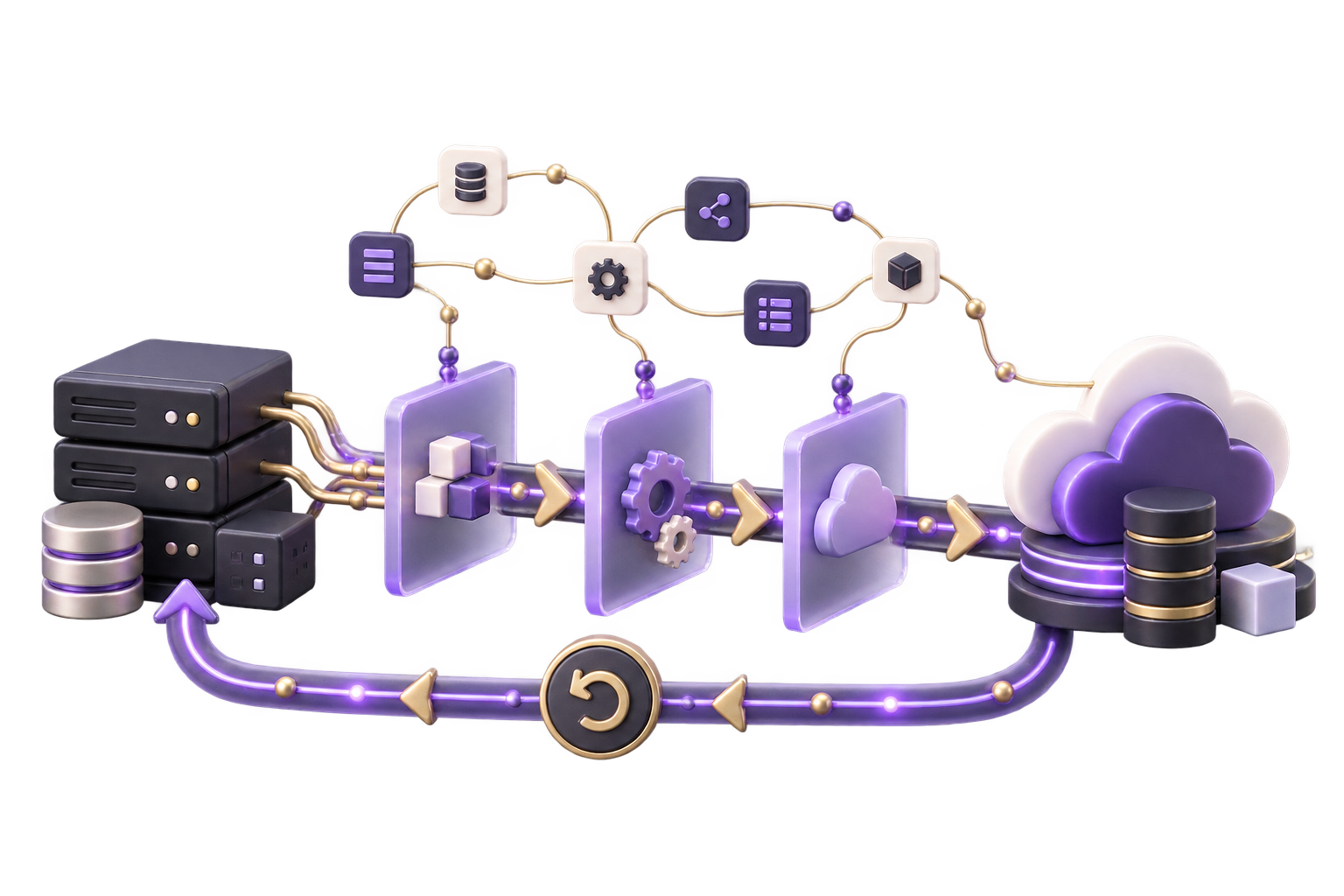
Assess workloads, dependencies, environments, access and recovery needs before selecting a migration path.

We help Hyderabad technology teams choose a safer release and recovery path, then document the infrastructure, access and ownership needed to operate it.
Explore the infrastructure scope
01 / What we build
Assess workloads, dependencies, environments, access and recovery needs before selecting a migration path.
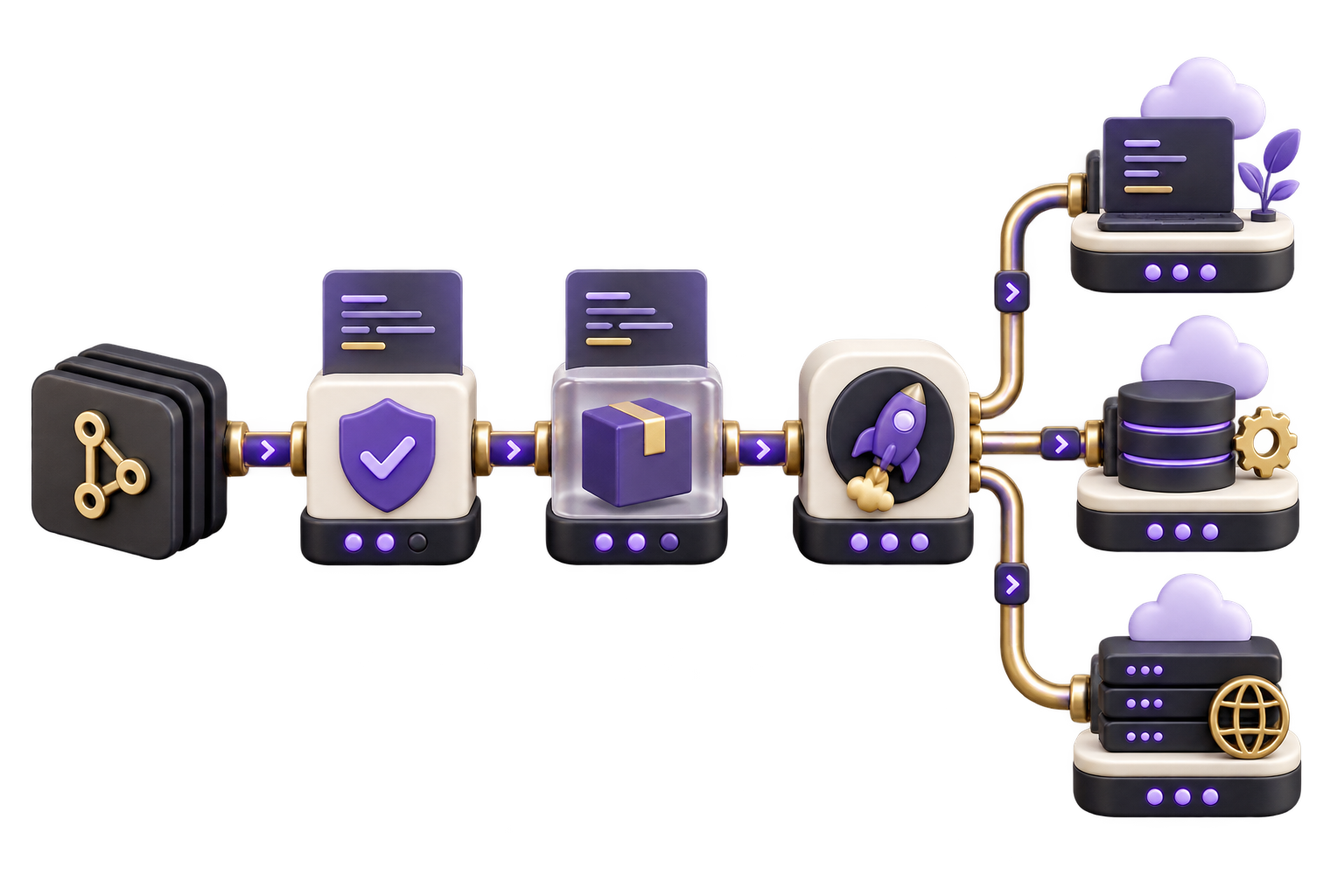
Create repeatable build, test and release steps with versioned configuration and controlled approvals.
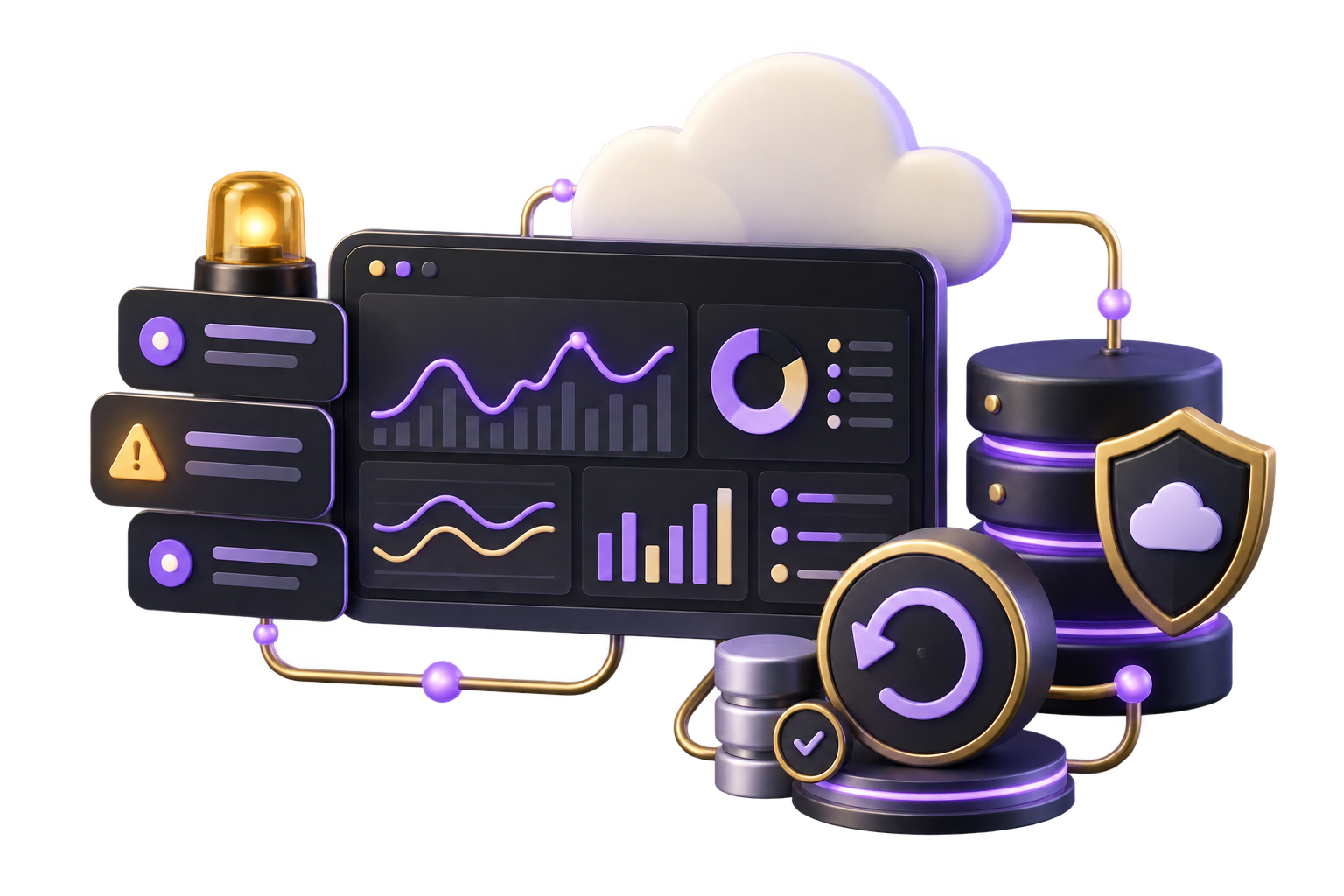
Define useful signals, escalation paths, backup policy and recovery checks around the agreed service boundary.
City context, honestly stated
Telangana’s public technology policy gives cloud and data infrastructure real local relevance; GreyBath collaborates remotely and does not claim a Hyderabad office.
Separate development, test and production with reviewed changes, rollback paths and limited credentials.
Connect logs, metrics and service checks to owners and runbooks instead of creating alert noise.
Keep engineering documentation consistent; localised customer alerts can be scoped for validated audiences.
02 / Where it fits
Cloud work should reflect traffic patterns, release risk, internal capability and the consequence of failure.
Separate environments, automate releases and make tenant-impacting failures easier to investigate.
Review scaling, caching, database load and deployment bottlenecks before demand peaks.
Coordinate scheduled jobs, credentials, dependencies, retries and traceable failure handling.
Create shared runbooks, access boundaries and handover material for day-to-day ownership.
03 / How we work
Review architecture, access, costs, deployments, incidents and recovery evidence without making unplanned changes.
Build and test agreed infrastructure or delivery changes in stages with rollback and approval points.
Run checks, record limitations, complete documentation and rehearse the responsibilities your team will own.
Providers, accounts, workloads, environments, recovery evidence, security requirements and support boundaries shape the proposal. Cloud usage and third-party fees remain separate.
Discuss your projectServices, data stores, network paths, providers, dependencies and environments in scope.
Recovery objectives, access controls, backups, monitoring and compliance requirements supplied by your team.
Who approves changes, responds to alerts, controls accounts and maintains the platform after handover.
Provider choice depends on your current stack and requirements. We confirm the exact services, account access and skills needed before proposing work.
We can design staged cutovers and rollback plans, but zero downtime is not promised without reviewing architecture, data movement, dependencies and acceptable risk.
Not by default. Monitoring setup, response hours, escalation, third-party services and ongoing responsibility must be stated explicitly in the proposal.
Ownership is agreed before work starts. We normally recommend client-controlled accounts, documented access, versioned configuration and a clear handover.
We map supplied requirements to the agreed scope and controls. Formal audits, certifications and regulated compliance work require separately qualified review.
Releases feel harder than they should?