Serviceability & catalogue decision model
Structure products, variants, restrictions, stock sources, pincodes, warehouses and carrier rules that determine what may be offered.

GreyBath helps Guwahati commerce teams decide whether an order can be accepted before connecting payment, COD, inventory promises, carrier hand-offs, shipment evidence, customer status and returns.
Review the ecommerce fulfilment scope
01 / What we build
Structure products, variants, restrictions, stock sources, pincodes, warehouses and carrier rules that determine what may be offered.
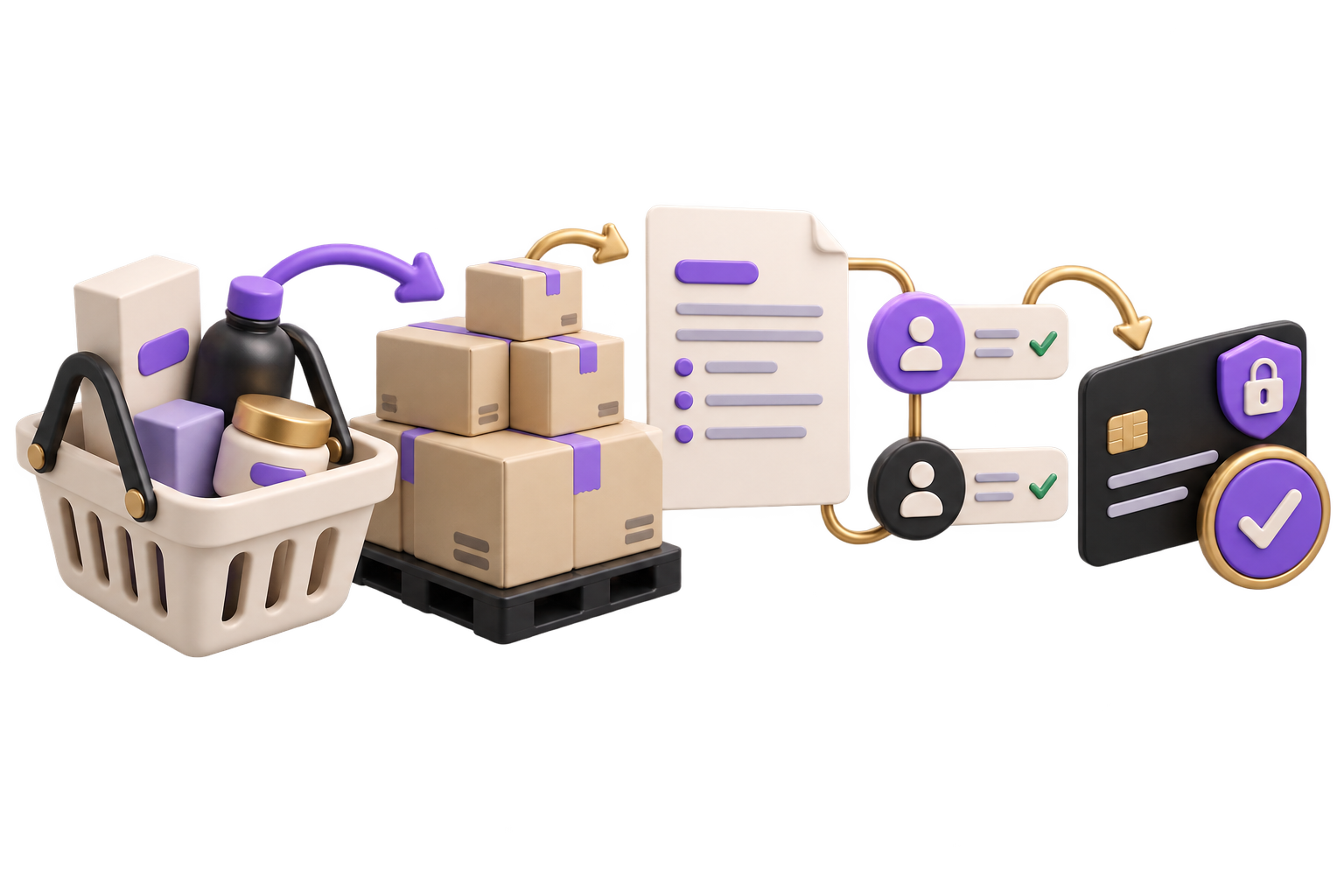
Design prepaid, COD, unavailable, review and exception states with clear totals, customer messages and authorised acceptance rules.
Connect accepted orders to stock reservation, packing, carrier hand-off, shipment evidence, customer status, failed delivery and return ownership.
City context, honestly stated
We work remotely with Guwahati teams through order-path mapping, platform reviews and controlled pilots; GreyBath does not claim a Guwahati office or local clients. Assam’s published logistics and warehousing policy discusses multimodal movement, storage and last-mile delivery around Guwahati; that provides operating context only, not proof of merchant demand or delivery coverage. The landmark artwork is an editorial montage, not a geographic skyline or a claim of a project, affiliation or endorsement.
Use approved pincode, product, warehouse, carrier and restriction rules instead of assuming every visible destination can be served.
Show stock, price, payment and COD choices only from agreed records and make stale, unavailable or unverified states explicit.
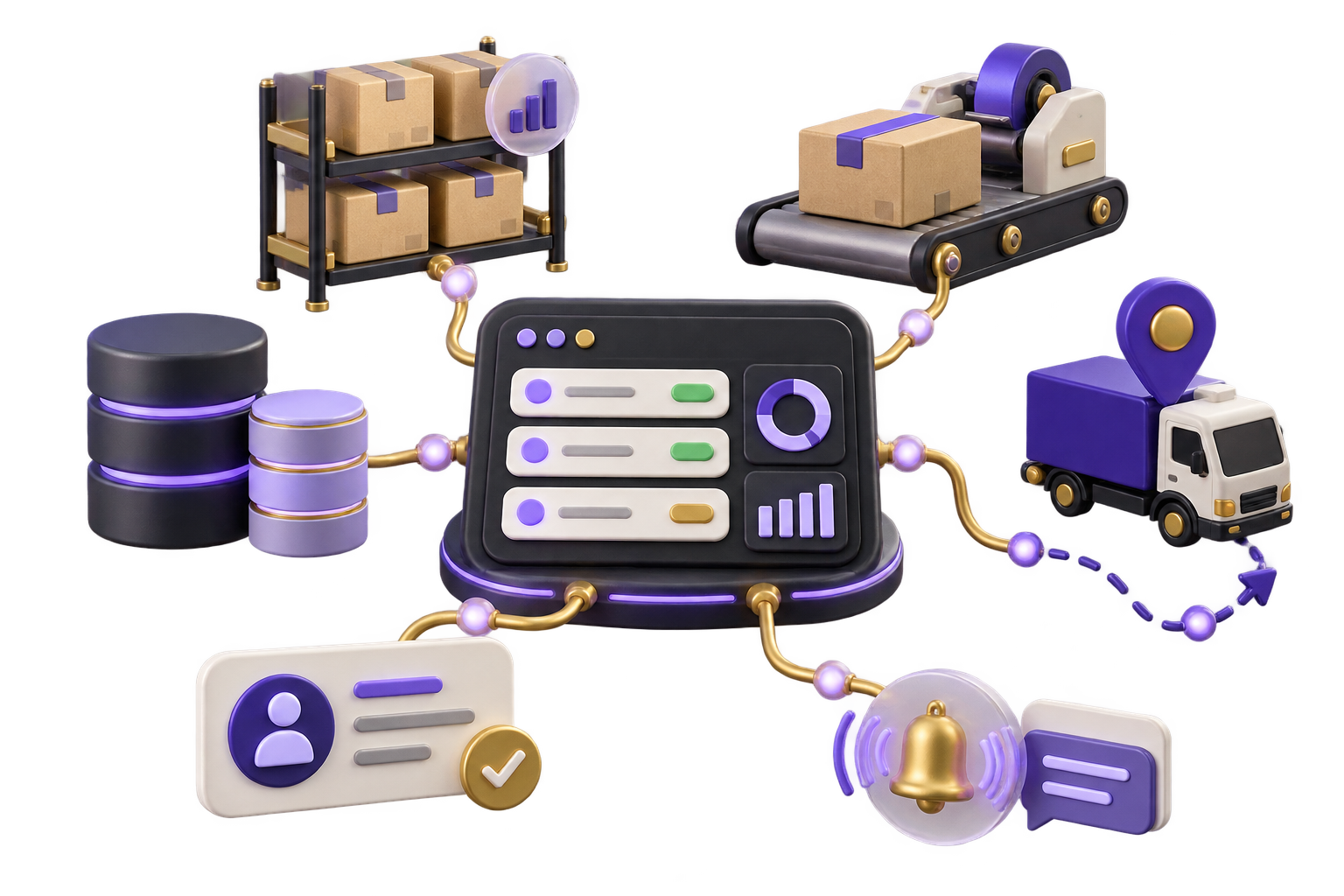
Connect accepted orders to packing, carrier evidence, customer updates, failed delivery and return decisions with named operational owners.
02 / Where it fits
The first pilot should own one catalogue, stock source and carrier path with explicit exceptions—not promise universal coverage, real-time inventory or a delivery time.
Publish only approved product, serviceability and fulfilment promises while keeping unsupported cultural or provenance claims out of the catalogue.
Decide which source can fulfil an order and what happens when availability changes before allocation.
Apply verified payment eligibility, limits, review and failure rules without presenting COD as universally available.
Use shared order, hand-off, status, failed-delivery and return evidence to answer what happens next.
03 / How we work
Follow an approved example across pincode checks, stock, payment, acceptance, packing, hand-off, delivery exception and return records.
Test unavailable locations, stale stock, COD restrictions, payment failures, delayed carrier events and customer recovery paths.
Connect verified interfaces for a limited boundary, then reconcile accepted orders, inventory, evidence, status, returns and ownership.
Scope follows one catalogue, stock authority, serviceability rules, payment methods, carrier interfaces, fulfilment records, customer updates, returns and operational ownership. Platform, payment and carrier fees remain separate.
Discuss your projectPincodes, warehouses, products, restrictions, payment or COD eligibility, charges, review rules and customer-facing messages.
Inventory source, reservation timing, stale data, oversell handling, order acceptance and the system that remains authoritative.
Supported interfaces, labels, hand-off evidence, shipment events, failed delivery, reverse movement, refunds, reconciliation and support ownership.
No. Coverage and timing depend on verified merchant, warehouse and carrier rules. The storefront should present only approved serviceability and estimates with appropriate qualifications.
No unconditional accuracy promise is possible. Accuracy depends on the authoritative source, reservation timing, update frequency, failed synchronisation and the agreed response to stale data.
Not automatically. Merchant policy, payment or carrier capability, pincode, product, value and risk rules must be supplied and approved by authorised owners.
No. Available contracts, APIs, service areas, credentials, limits, event quality and recovery procedures must be verified carrier by carrier.
Some steps may be automated, but eligibility, evidence, inspection, reverse pickup, refund authority, exceptions and accounting reconciliation still require explicit rules and owners.
Orders are accepted before serviceability and stock are confirmed?