Catalogue and inventory rules
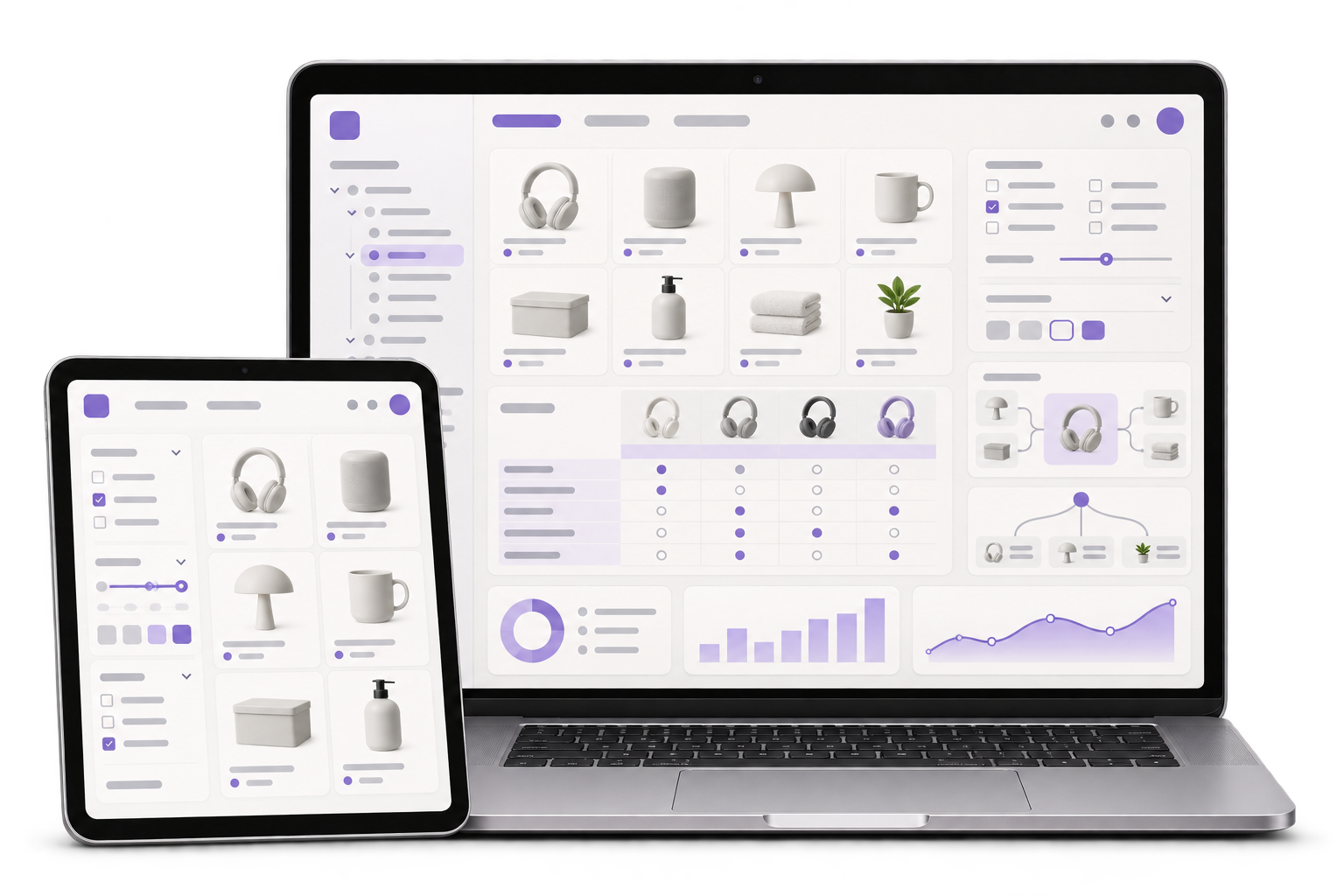
Set up finish variants, ready stock and production lead time. Define which item quantities can be reserved for each fulfilment location.

Let a shopper see what can ship, what can be collected at a fair and what needs extra production time before they commit.
See the event pickup order example
01 / What we build
Set up finish variants, ready stock and production lead time. Define which item quantities can be reserved for each fulfilment location.
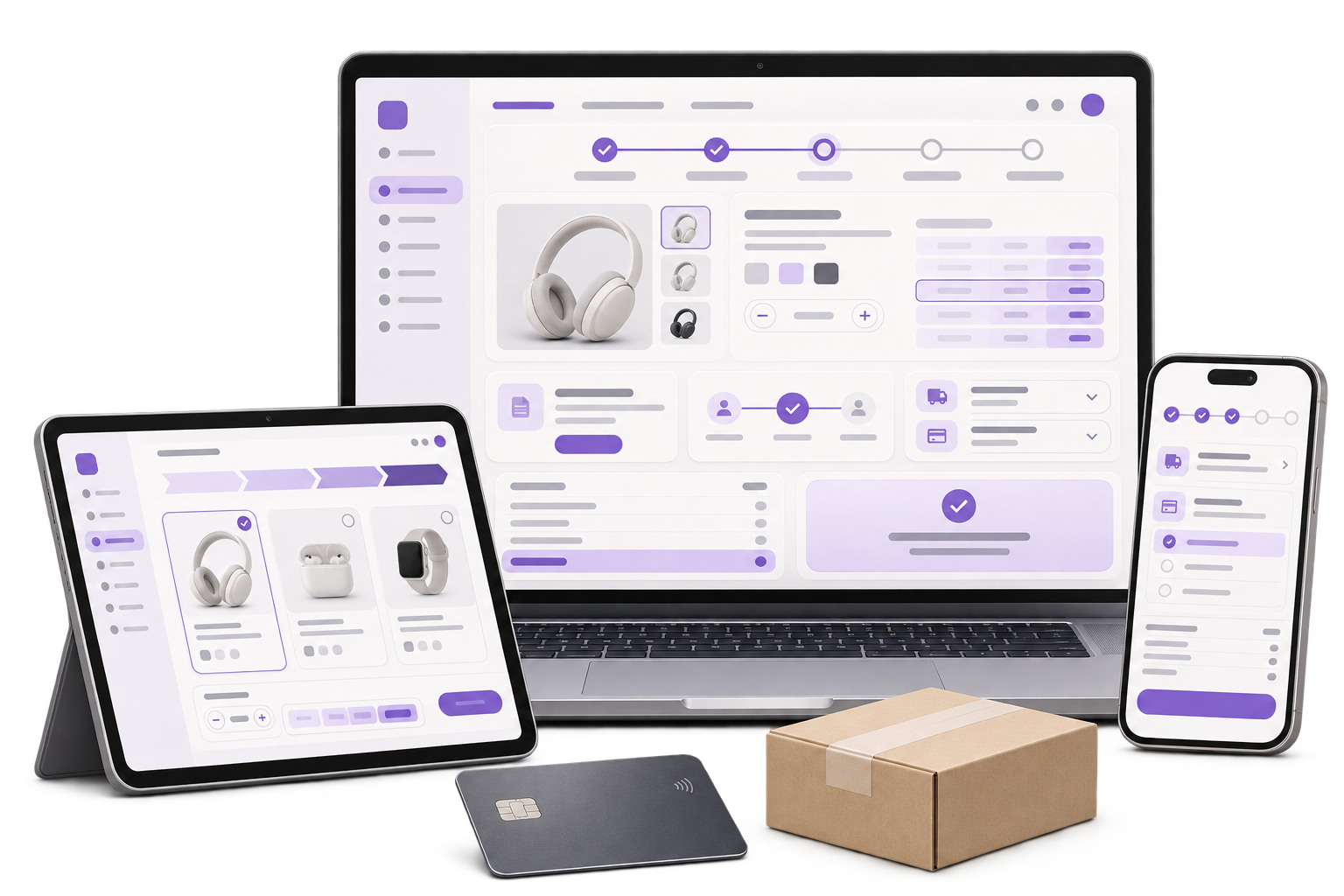
Show stock and dates by item before payment. Give buyers a clear action when a split order, revised date or extra delivery charge needs approval.
Give staff a pickup list, reservation expiry and a stock reconciliation view. Map confirmed items and exceptions to the pack list.
City context, honestly stated
Delhi Tourism describes Dilli Haat INA as a market for handicraft and handloom artisans. This example follows a fictional paper-craft seller who also offers workshop stock online. GreyBath provides ecommerce development remotely.
In the fictional example, three blue paper lanterns are set aside at a Delhi craft stall and four are at the workshop. Reserve an approved pickup from the stall pool. Use the workshop pool for courier fulfilment so the two commitments stay separate.
One buyer requests two blue lanterns for pickup and an ochre piece that needs four days to make. Offer only the split or consolidated choices the seller supports. Show the pickup date, production lead time and delivery charge together before confirmation.
If staff sells the final unreserved blue lantern in person, show that pickup stock is exhausted online. Offer a clearly dated later collection or delivery choice. Keep the options to amend or cancel visible if the stock count is uncertain.
Where it fits
Invite the person who counts stock, the colleague who packs online orders and the seller at the stall. Ask them to use the same item references.
Confirm variant names, source quantities and the time needed to make each item.
Use a pickup list and record sales so reserved goods stay available for the right customer.
Update collection times, delivery options and what shoppers see for sold-out finishes.
Check which items are due for pickup and which have a separate workshop dispatch date.
How we work
Use blue stall stock, blue workshop stock and the made-to-order ochre variant. Check that buyers can see which option applies.
Combine a stall pickup and a workshop-made item. Confirm the order summary shows the chosen handover, payment and dates.
Sell one unreserved item in the sample flow and confirm online availability changes while existing reservations remain intact.
Pilot one product range and one pickup window before expanding to more stock locations. The seller approves inventory, lead times, the pickup rules and the customer terms.
Discuss your projectAgree which records cover the workshop, the stall and items already held for a customer.
Set when to hold units and what happens after a failed or expired payment. Review checkout behaviour when two buyers select the last unit.
Specify which pickup dates the seller supports and how staff confirm a change after the event.
Yes. Associate stock with its fulfilment location and show the promise appropriate to the selected choice.
Yes. Give each variant or fulfilment choice its own lead time. Show any split charges or revised dates before the buyer confirms.
Test a manual update and review process first. Decide which scarce items require staff confirmation before payment.
Use the seller’s written policy to present approved alternatives such as later collection, dispatch or cancellation.
A small sample catalogue, stock by location, ready and custom lead times, and your proposed handoff rules.
Start with one product, two finishes and one pickup window.