Job-order record & ownership map
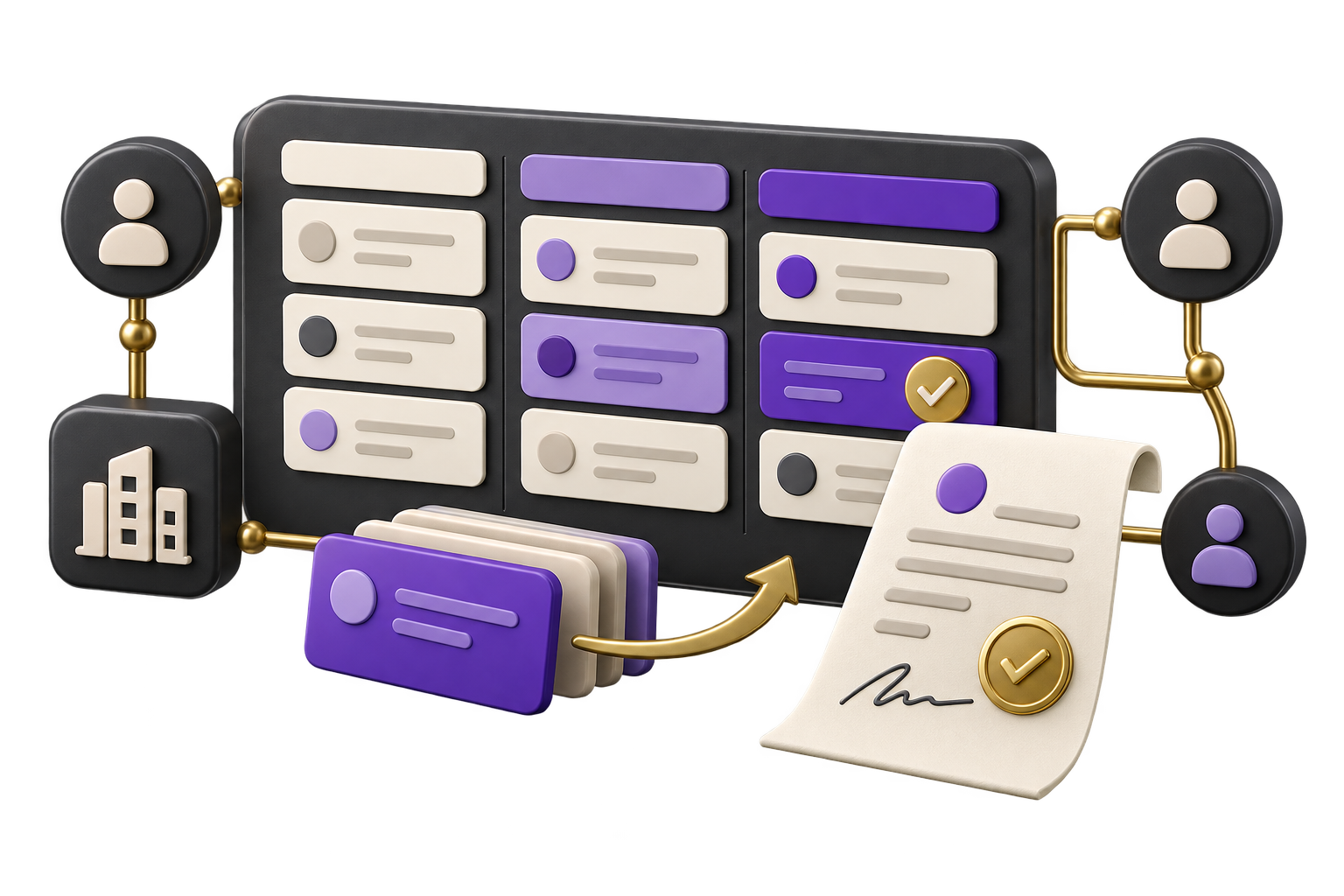
Trace quotations, job orders, customer commitments, work stages, approvals and exceptions across current records.

GreyBath helps Coimbatore operations teams connect job-order, spares and after-sales work through controlled records, role-based actions and reviewable status.
Map the job-to-service workflow
01 / What we build
Trace quotations, job orders, customer commitments, work stages, approvals and exceptions across current records.
Configure role-based views for spares requests, stock decisions, issues, returns, visit evidence and service status.
Connect approved systems, then expose useful job, service and inventory status with timestamps, failures and ownership.
City context, honestly stated
We work remotely with Coimbatore teams through process workshops, record reviews and pilot check-ins; GreyBath does not claim a Coimbatore office.
Keep customer promise, job-order stage, responsibility and approval visible against one authorised record.
Connect part requests, availability, issue, returns and usage to the correct service or production job.
Record complaints, assignments, visit notes, evidence and closure decisions without losing the product and customer history.
02 / Where it fits
This route fits an owned job-order or after-sales process that can be piloted with real records. It does not imply replacing every existing system.
Connect quotation context, confirmed specifications, job stages, approvals and dispatch readiness around authorised records.
Track requests, availability decisions, issues, substitutions, returns and consumption against the correct job.
Coordinate complaints, assignments, visits, parts, evidence, warranty decisions and closure history.
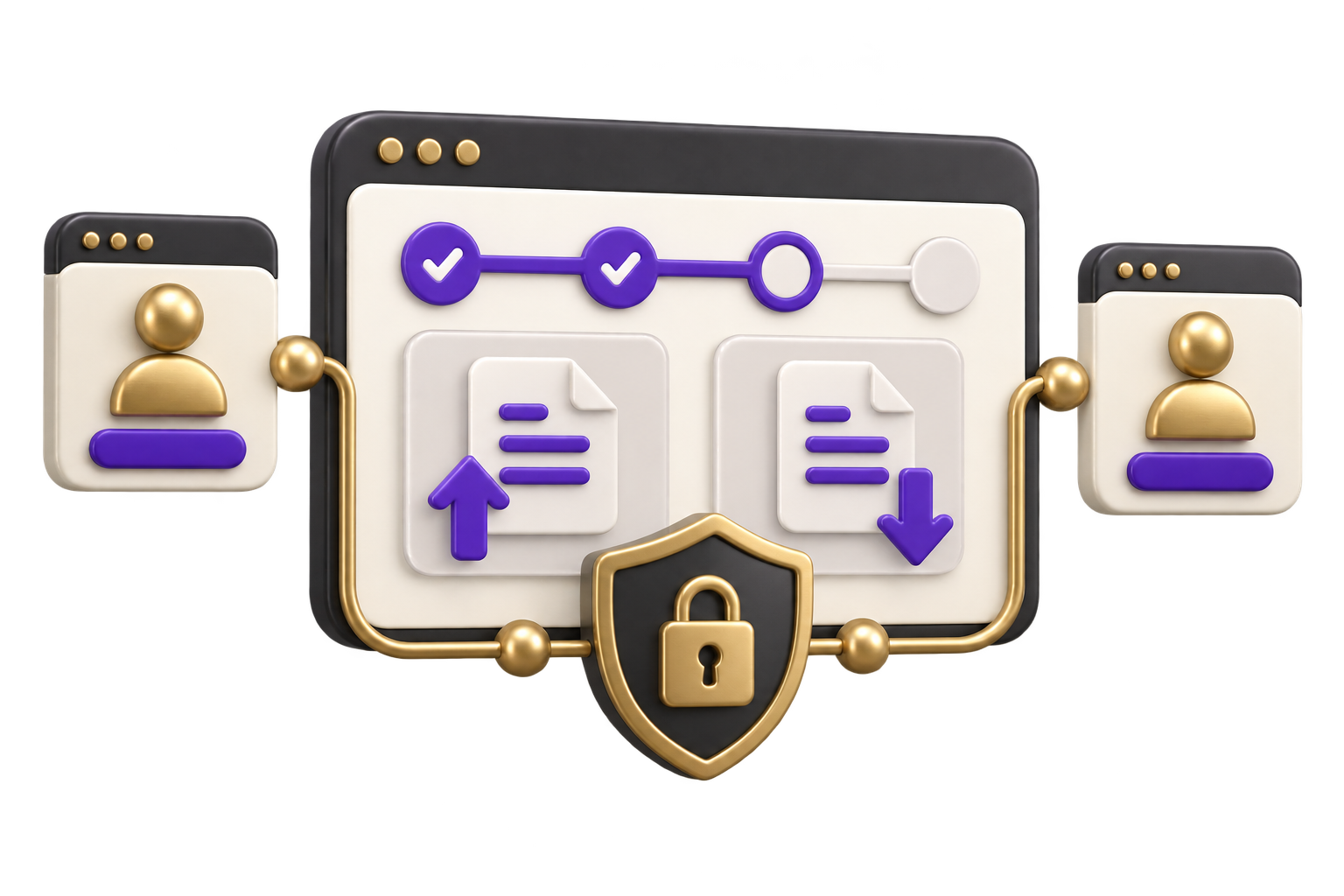
Expose authorised order, service and document status without opening internal records or controls.
03 / How we work
Follow a job through promises, work stages, parts, service events, exceptions and current systems.
Configure only the records, actions, permissions and status needed by the first user group.
Review data accuracy, access, failures, support and user acceptance before adding teams or modules.
The selected job and service stages, users, source records, inventory rules, integrations, permissions and pilot responsibilities determine the proposal. Licences remain separate.
Discuss your projectJob types, stages, owners, approvals, service expectations, exceptions and evidence required for completion.
Item, customer, equipment, warranty, inventory, pricing and history records that must remain authoritative.
APIs, imports, devices, permissions, pilot users, training, rollback, support and post-pilot ownership.
Possibly, if the system offers suitable APIs, exports or supported interfaces. We verify record ownership, access, limits and failure recovery before defining the integration.
Not necessarily. A focused workflow, portal or dashboard can connect approved records while the current ledger or ERP remains authoritative.
The pilot can record requests, availability decisions, authorised substitutions, issues, returns and usage against a job. Inventory valuation remains with the agreed source system.
Yes. Each role receives only authorised records and actions, with explicit rules for visibility, updates, evidence, approvals and escalation.
Yes, when validated users need it. Your team supplies or approves terminology, and scope covers real-script layouts, testing and future content ownership.
Job, spares and service status live in separate places?