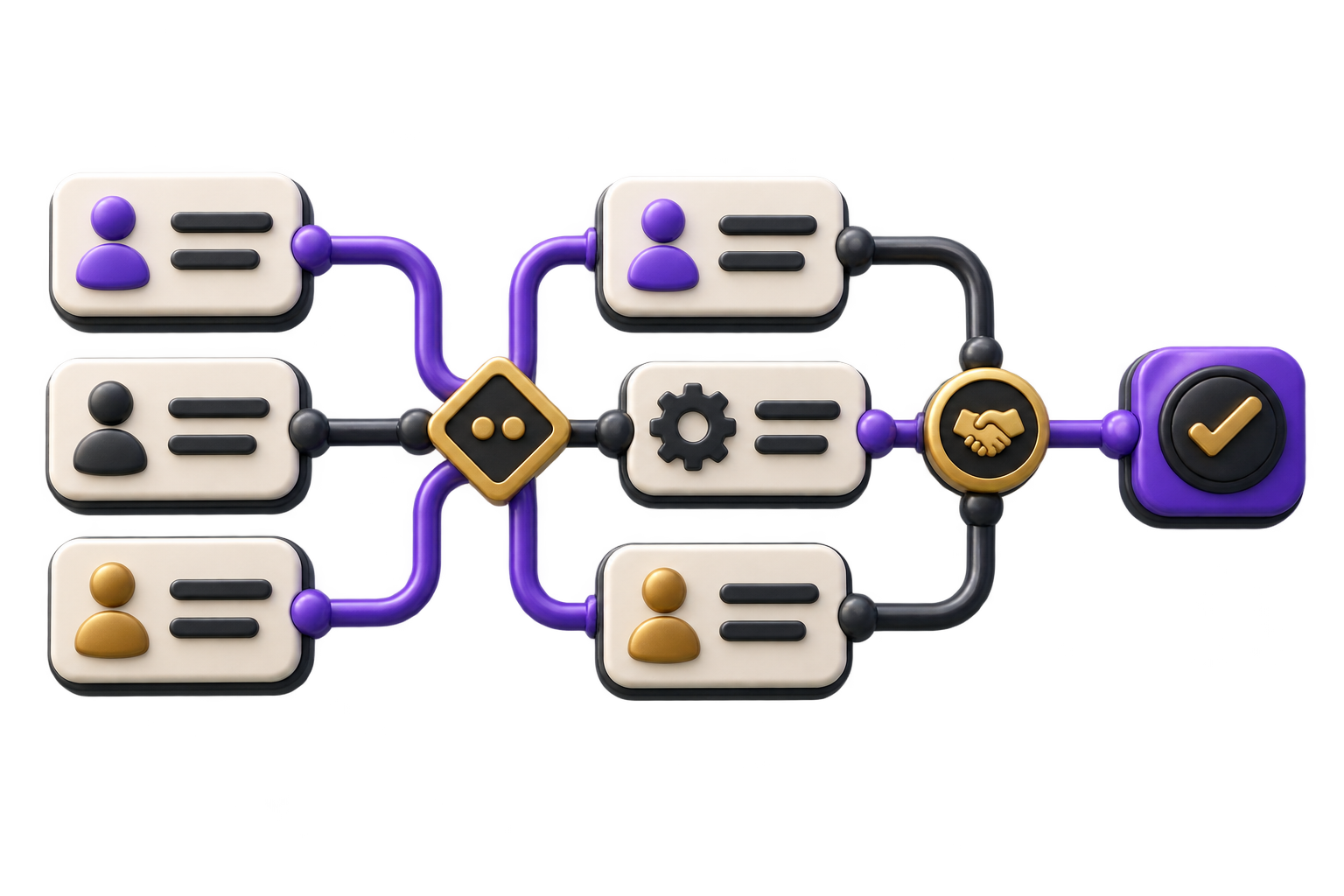
Research & usability diagnosis
Review evidence, interview agreed users and identify the decisions, errors and delays worth redesigning.

GreyBath helps Chennai teams identify where a digital workflow breaks down, test a clearer interaction model and hand over decisions that engineers can implement.
Explore the UI/UX scope
01 / What we build
Review evidence, interview agreed users and identify the decisions, errors and delays worth redesigning.
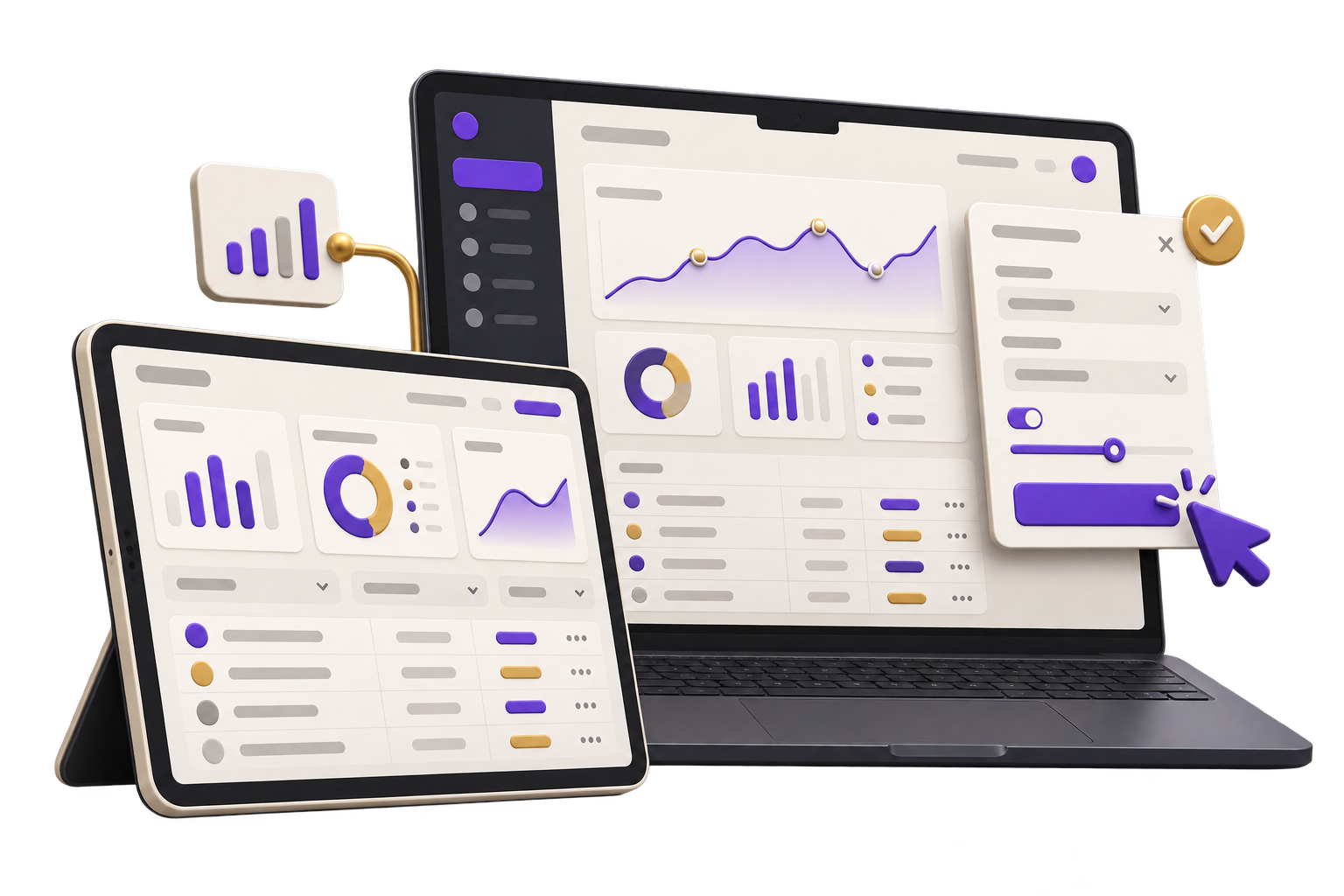
Model information, states and critical paths, then test realistic prototypes before detailed production design.
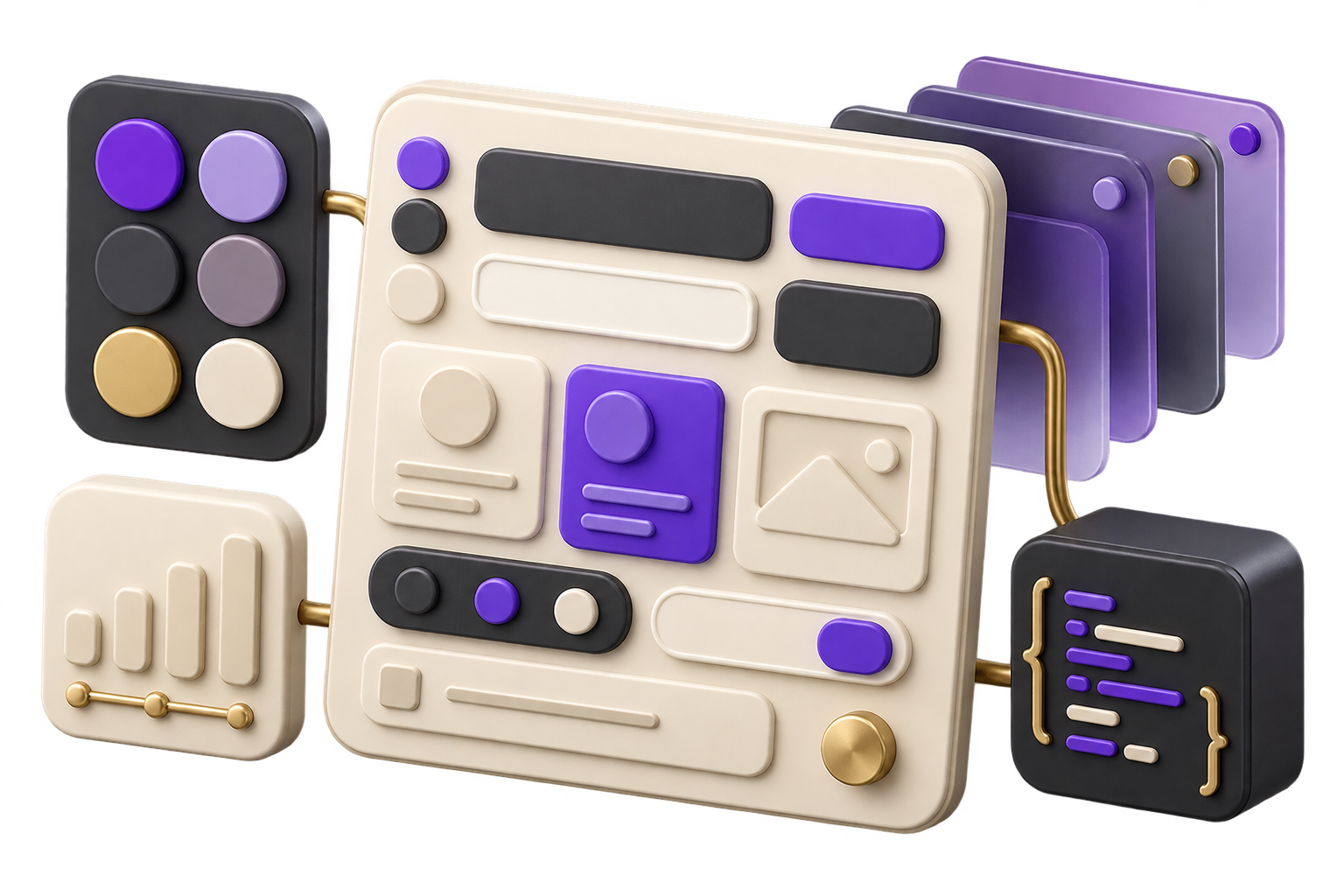
Specify responsive components, content, accessibility states and open decisions for engineering review.
City context, honestly stated
We collaborate remotely with Chennai teams through interviews, shared prototypes and review calls; GreyBath does not claim a Chennai office.
Map where people move between devices, teams and offline steps before refining individual screens.
Scope Tamil only for validated users, with approved terminology and layouts tested in both scripts.
Document technical, policy and data constraints so a cleaner interface does not hide unresolved operating risk.
02 / Where it fits
This pathway fits an existing product or defined workflow where the team can provide users, evidence and technical context.
Diagnose onboarding, navigation, core tasks and settings without pretending every screen needs replacement.
Reduce avoidable errors in role-heavy forms, queues, approvals and exception handling.
Clarify documents, status, requests and self-service actions across different account roles.
Test the riskiest interaction assumptions before committing the full engineering budget.
03 / How we work
Agree the user, workflow, evidence and outcome that will guide the engagement.
Test structure and interaction with realistic content, edge cases and user feedback.
Refine the accepted direction, record open risks and review implementation details with the delivery team.
Users, research access, workflow breadth, device contexts, prototype fidelity and system coverage determine the work. Development is separate unless stated.
Discuss your projectAvailable analytics, support records, subject experts and suitable users for research or testing.
Roles, permissions, errors, empty states, approvals and responsive contexts that need design.
Components, content notes, accessibility behaviour, engineering reviews and ownership after delivery.
Yes. A defined workflow or product area is often the safer starting point. We review adjacent dependencies so the recommendation still fits the wider system.
Direct access improves confidence. When it is unavailable, we state the limitation and use existing evidence, subject experts and later validation rather than presenting assumptions as research.
Accessibility requirements, keyboard behaviour, focus, contrast, labels and responsive states can be included. Formal conformance certification is not implied.
Yes, when the audience needs it. Your team supplies or approves terminology, and the scope includes script, layout and maintenance considerations.
It is not a substitute for an undefined product strategy, unavailable decision-makers or a promise to decorate fixed requirements without reviewing usability risk.
A workflow needs clarity?