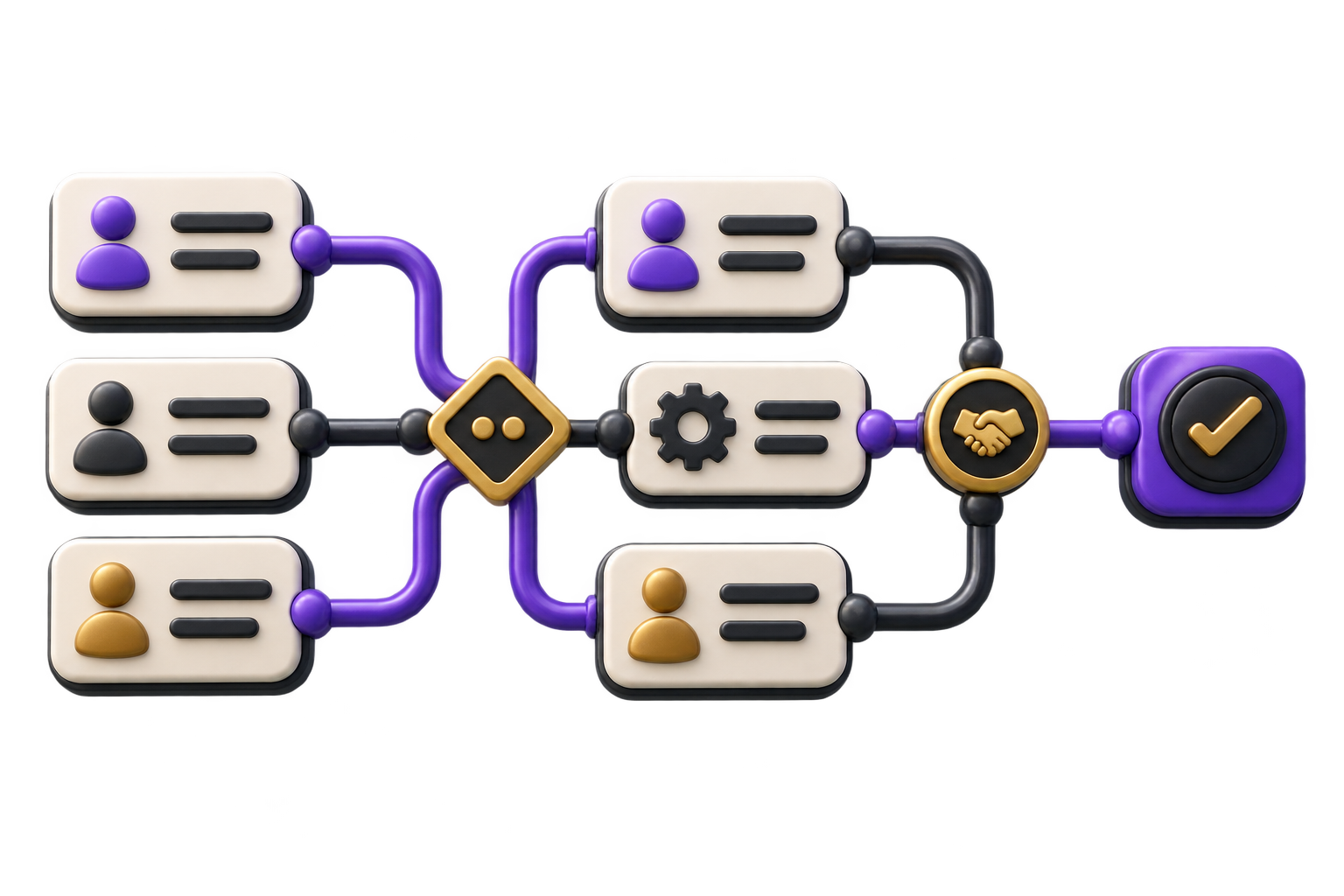
Form, evidence & dependency map
Map fields, dependencies, evidence, validation and save-and-resume rules for one priority application or request.

GreyBath helps Chandigarh teams simplify application, appointment and status workflows, testing clearer forms, hand-offs and recovery states before implementation.
Review the form and status scope
01 / What we build
Map fields, dependencies, evidence, validation and save-and-resume rules for one priority application or request.
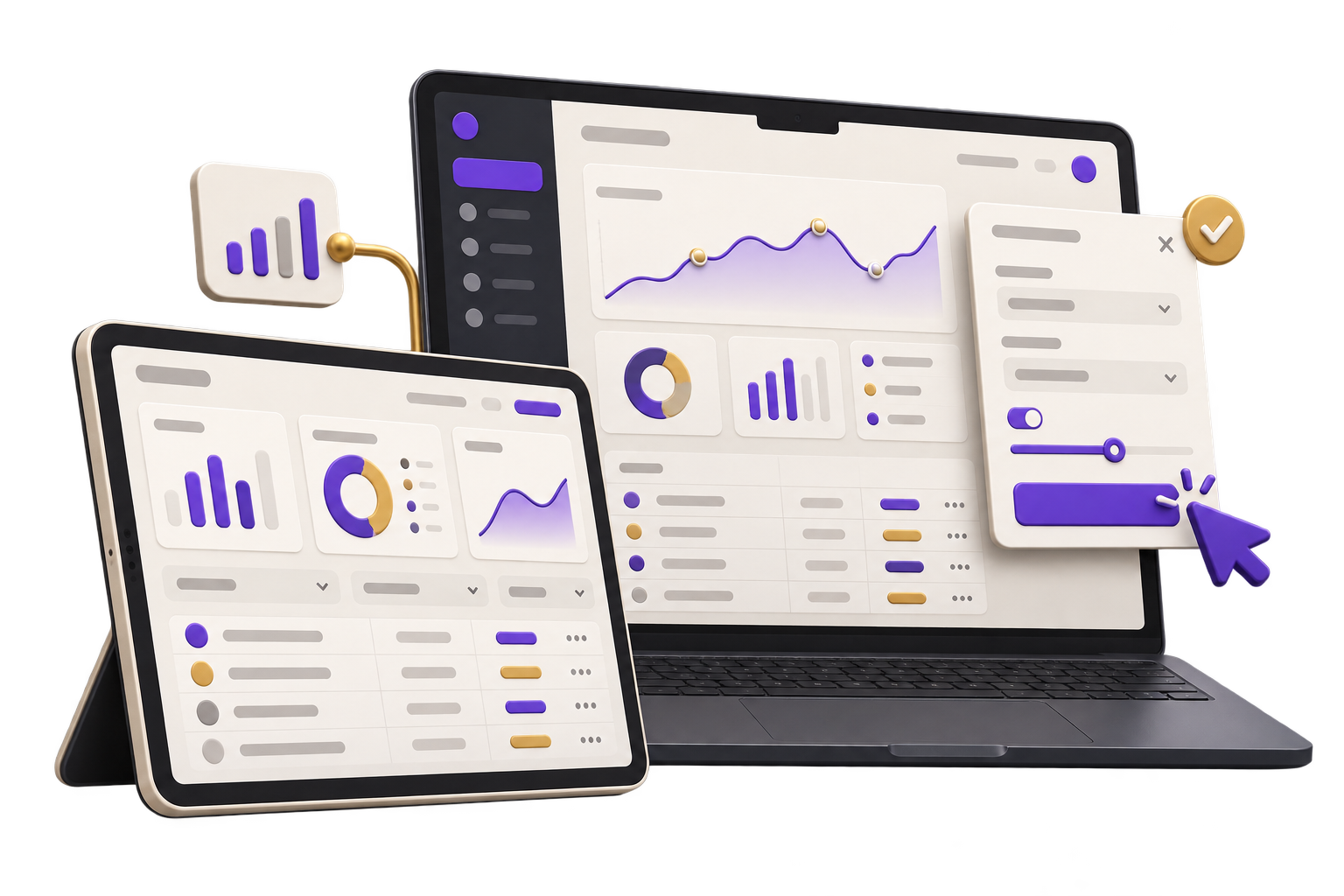
Prototype responsive forms, appointment steps, status views, errors and recovery with realistic content and accessibility states.
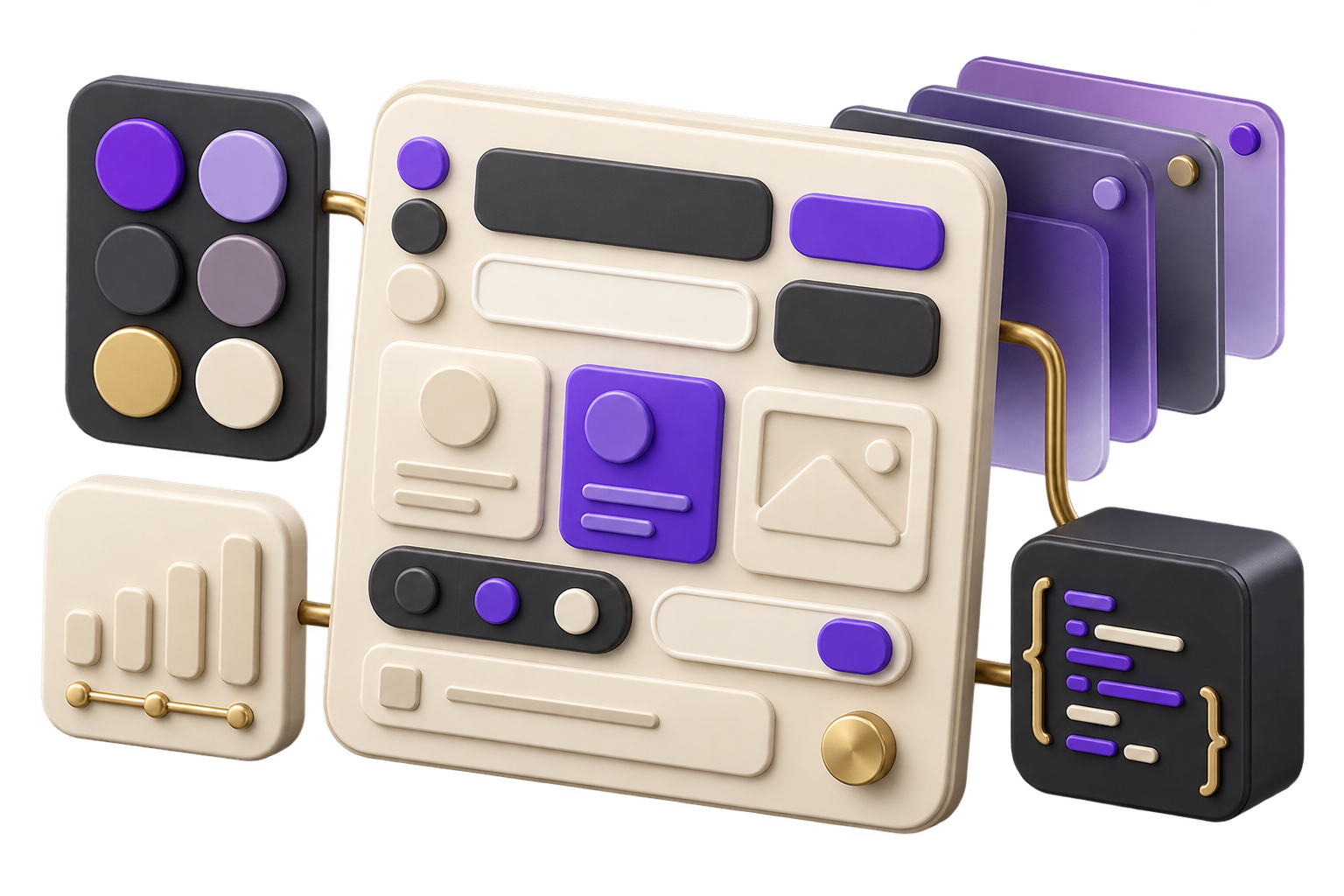
Document components, content, analytics events and hand-off rules so engineering can build and verify the accepted flow.
City context, honestly stated
We collaborate remotely with Chandigarh and Tricity teams through workflow reviews, prototype sessions and engineering check-ins; GreyBath does not claim a Chandigarh office.
Break long applications into accountable stages, with clear requirements, progress and resumption across devices.
Show appointment availability, confirmations, changes and failure recovery without making users chase a separate channel.
Translate internal status codes into useful updates, next actions and named escalation routes.
02 / Where it fits
This route fits an existing application, appointment or status workflow with available policy, operational and technical owners. It is not broad product strategy.
Clarify eligibility, documents, validation, submission, acknowledgement and progress without redesigning unrelated services.
Make availability, booking, reminders, rescheduling, cancellation and arrival instructions work as one journey.
Support triage, evidence checks, queries, decisions and escalation while preserving accountable status history.
Resolve inconsistent fields, messages and recovery patterns before expanding the component library.
03 / How we work
Trace entry, validation, hand-offs, waiting states, messages and failure recovery across the current journey.
Test realistic documents, errors, appointments, statuses and resumption with agreed users and owners.
Record accepted patterns, content, unresolved policy questions and critical implementation checks.
The selected request, roles, fields, evidence, appointments, statuses, policy constraints and engineering involvement shape the proposal. Development remains separate unless named.
Discuss your projectFields, documents, validation, conditional steps, resumption, appointment rules and the statuses included in the review.
Applicant, staff, reviewer and administrator permissions, including sensitive data, evidence and escalation boundaries.
Prototype fidelity, content, languages, analytics, accessibility, engineering reviews and ownership after handover.
This draft centres on form-heavy applications, appointment booking and status communication. Broader product strategy, navigation redesign and unrelated modules remain outside scope unless separately agreed.
Yes, when the workflow and data model allow it. The design records draft ownership, expiry, resumption, duplicate handling and what happens when a required service is unavailable.
We define validation timing, plain-language messages, preserved input, recovery routes and support escalation. Policy and technical limits remain visible rather than being designed away.
The scope can cover labels, instructions, keyboard use, focus, error association, contrast, responsive behaviour and timed-session warnings. Formal conformance certification is not implied.
Yes, when validated users need it. Your team supplies or approves terminology, and testing uses real content and scripts rather than placeholder translations.
A form or status journey keeps creating support work?