Workflow evidence & usability audit
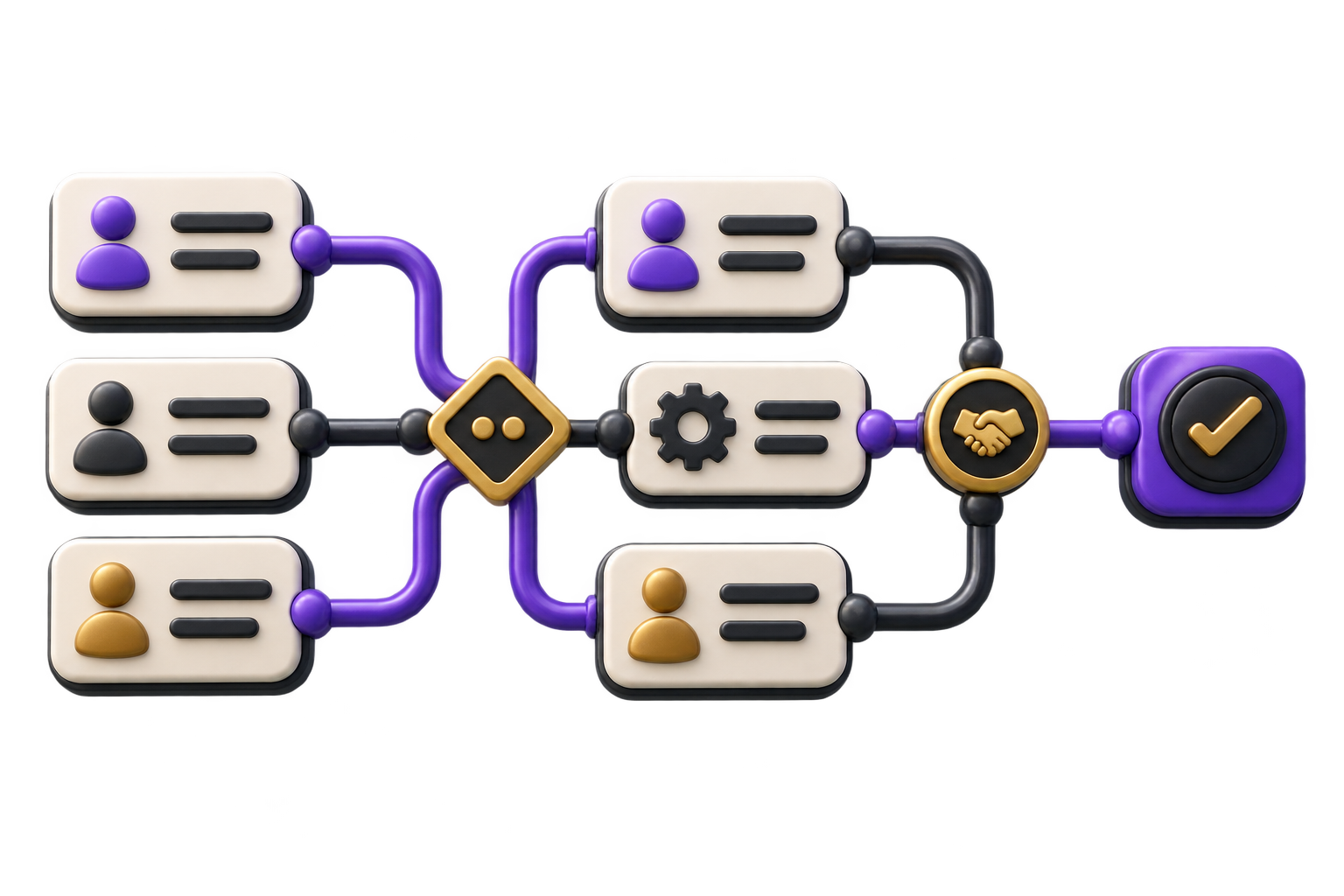
Trace one priority journey across observed behaviour, support evidence, product rules and technical constraints.

GreyBath helps Bengaluru product teams investigate one difficult user workflow, test clearer role and state behaviour, and document decisions for implementation.
Review the workflow scope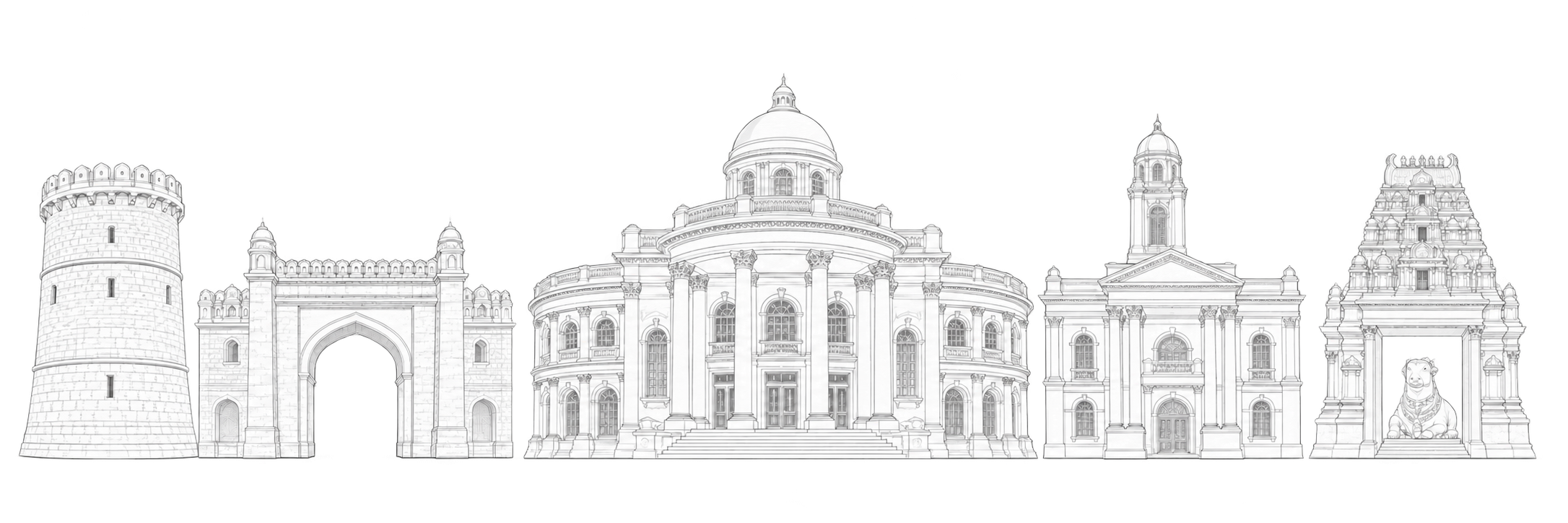
01 / What we build
Trace one priority journey across observed behaviour, support evidence, product rules and technical constraints.
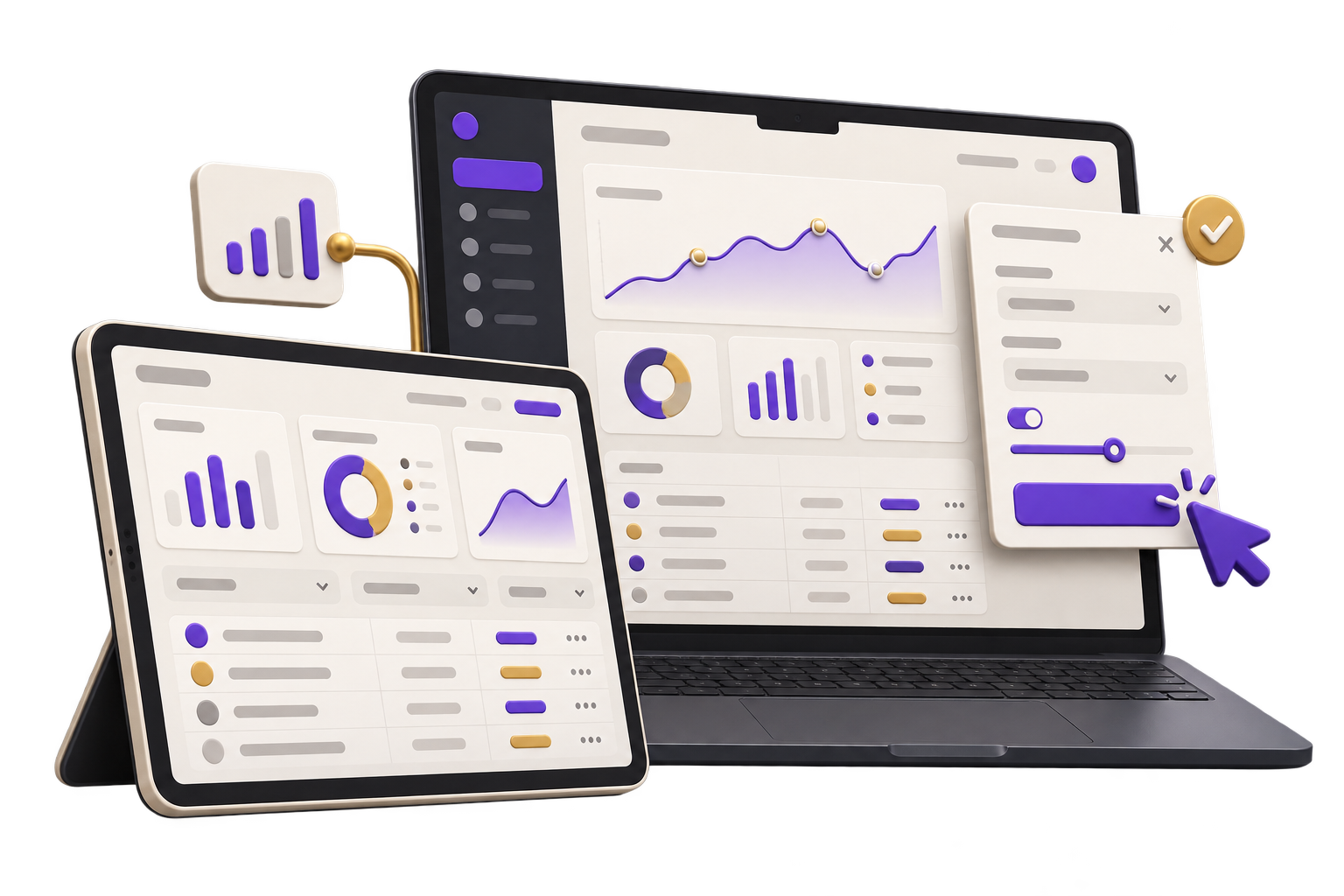
Test realistic permissions, responsive states, content and keyboard behaviour before detailed interface production.
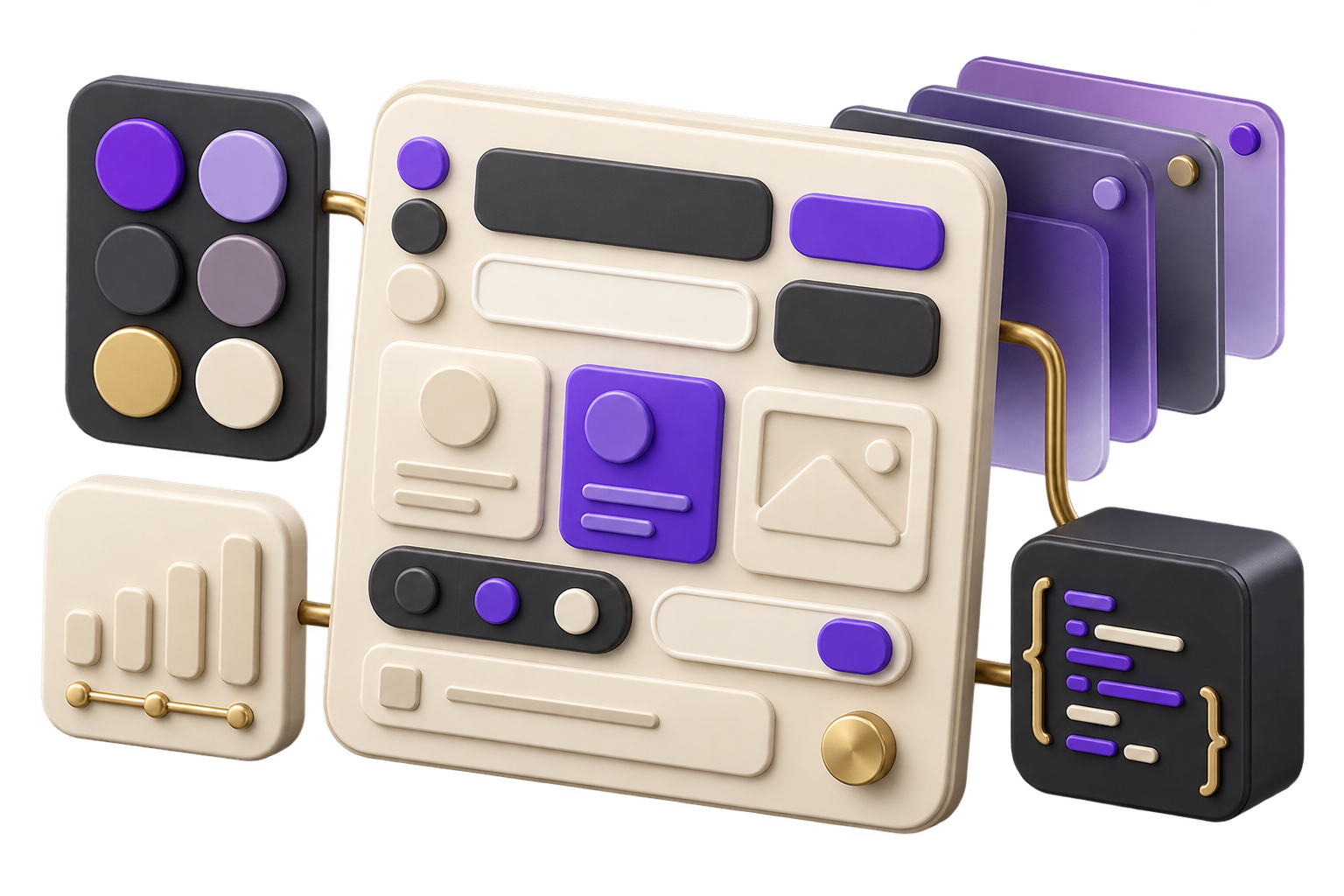
Map accepted patterns to the current design system and review critical implementation details with engineering.
City context, honestly stated
We work remotely with Bengaluru teams through evidence reviews, prototype sessions and engineering check-ins; GreyBath does not claim a Bengaluru office.
Combine support records, analytics, interviews and product constraints before deciding which interaction should change.
Include permissions, empty states, errors and hand-offs so a clean happy path does not hide operational complexity.
Review components, content, accessibility and engineering constraints before treating a polished prototype as complete.
02 / Where it fits
This route is for an existing product or defined workflow with available evidence, owners and an implementation team. It is not broad product strategy.
Clarify role-heavy onboarding, navigation, configuration and core tasks without assuming the whole product needs replacement.
Reduce avoidable errors in queues, forms, approvals and exception handling used by accountable teams.
Make documents, status, requests and authorised self-service actions clearer across account types.
Identify which inconsistent patterns create user or implementation cost before expanding a component library.
03 / How we work
Agree the user, workflow, evidence, constraints and decision the review must support.
Test structure and interaction with real content, permissions, errors and agreed users.
Document the accepted direction, remaining risks and critical engineering details before build completion.
The selected workflow, roles, evidence, research access, platforms, states and engineering involvement shape the proposal. Development remains separate unless named.
Discuss your projectAnalytics, support history, subject experts and suitable users available for diagnosis and testing.
Permissions, responsive contexts, errors, exceptions and adjacent product areas that affect the workflow.
Component mapping, content notes, accessibility detail, engineering reviews and responsibility after handover.
This draft starts with one existing workflow and its evidence. It does not promise broad product strategy, roadmap definition or a whole-product design programme.
Yes. We review current components, gaps and engineering constraints, then record whether each accepted pattern is reused, corrected or added.
Direct access improves confidence. If it is unavailable, we state the limitation and use existing evidence and subject experts without presenting assumptions as research.
The scope can include keyboard behaviour, focus, contrast, labels, content and responsive states. Formal conformance certification is not implied.
Kannada can be scoped when validated users need it. Your team supplies or approves terminology, and layouts are tested with the real script and content.
One workflow is creating repeated friction?