Download and reading flow
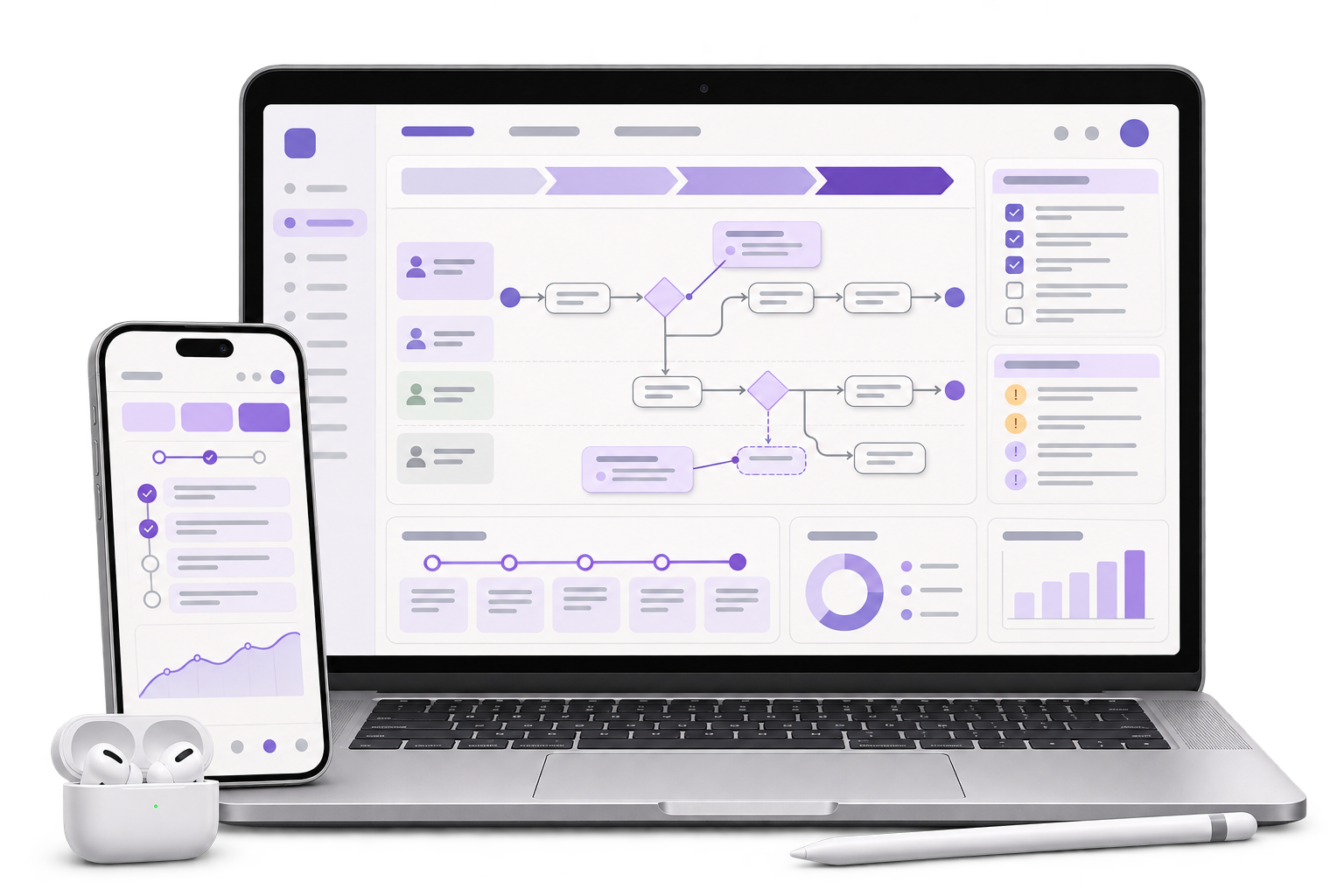
Map first visit, partial download, cancelled download, missing language and old content states. Decide what text remains usable in each one.

A visitor has time for one short story, but their phone cannot load it. GreyBath designs and prototypes heritage guide interfaces that show what is saved, keep key information readable offline and let visitors pick up an interrupted visit. Start with three stops and two language choices.
Explore the three-stop offline trial
01 / What we build
Map first visit, partial download, cancelled download, missing language and old content states. Decide what text remains usable in each one.
Design a three-stop journey with language selection, a saved text view and a play or resume action. Model offline states explicitly so testers can encounter them.
Specify reading hierarchy, screen reader labels, type enlargement, transcripts and visible states. Include examples for longer Kannada and English labels.
City context, honestly stated
Bagalkote district documents Badami’s cave temples, and Karnataka Tourism describes Agastya Lake and the Bhutanatha temples. The trial uses the fictional stop labels Cave Porch, Lakeside View and Temple Exterior. Each guide publisher supplies the stories, translations and current visitor information it is authorised to share. GreyBath delivers remotely.
In the pilot, a visitor saves a Kannada package containing three stop stories. Confirm the download only after all three text stories are ready. Show that English has yet to be saved. An offline visitor who switches to English can return to the downloaded Kannada text in one action.
The visitor bookmarks the second stop and opens it in airplane mode. The stop title, short story and transcript are readable with system text size enlarged. If the guide offers optional audio and its file is absent, show that state without covering the saved text.
Pause a downloaded audio track at 24 seconds and close the guide. Reopen it in airplane mode and let the visitor choose to resume or start over. Show the name of the last stop alongside that action. Keep any changing closures or access notices separately dated and direct visitors to the publisher’s current information.
Where it fits
A printed guide can meet the need when stories rarely change and sound adds little. The phone prototype becomes useful when visitors want to carry several languages, read the full text at a stop or resume a saved story.
Choose which three stories are useful on their own and how each stop is identified without a live map.
Test the story length and place names with the people who will use the guide. Keep changing directions separately maintained.
Give text and audio a shared version and record who reviews translations and text alternatives.
Use the prototype to make offline, low-storage and interruption states explicit before scoping implementation.
How we work
Make the third story fail to save, then verify the guide gives the visitor a retry and accurately identifies what can be opened.
With the phone offline, select a language that is not saved and return to the bookmarked Kannada story without losing the bookmark.
Close the trial at 24 seconds. Reopen the story, read its transcript, then choose whether to resume. Ask the tester which content they believe is on their phone.
Choose three sample stories, two language states and one interrupted audio example. The design phase establishes interaction and content requirements. A separately scoped build can verify storage behaviour, media downloads and updates on the target devices.
Discuss your projectConfirm who approves story text, language names, translations, recordings and image permissions.
Agree how to describe download size, which assets are optional and when the guide should offer an update.
Test enlarged type, keyboard or screen reader navigation, muted sound and an interrupted connection. Use clear text for visitor information that needs a current source.
You can make audio optional. The interface should show its state separately and let the visitor open saved text and transcripts without it.
The pilot can use an ordered list and stop names. Whether a location feature is useful can be tested separately after visitors can navigate the saved content.
Identify an owner and keep the notice distinct from evergreen interpretation. Show the date of the saved information and point to the publisher’s current information when a connection is available.
A prototype tests comprehension and the flow. A build needs storage, update and offline playback tests on the chosen devices and browsers.
Three sample stop titles, one short transcript and an example of a content update are enough to discuss the first prototype.
Give visitors a clear answer about what is on their phone.