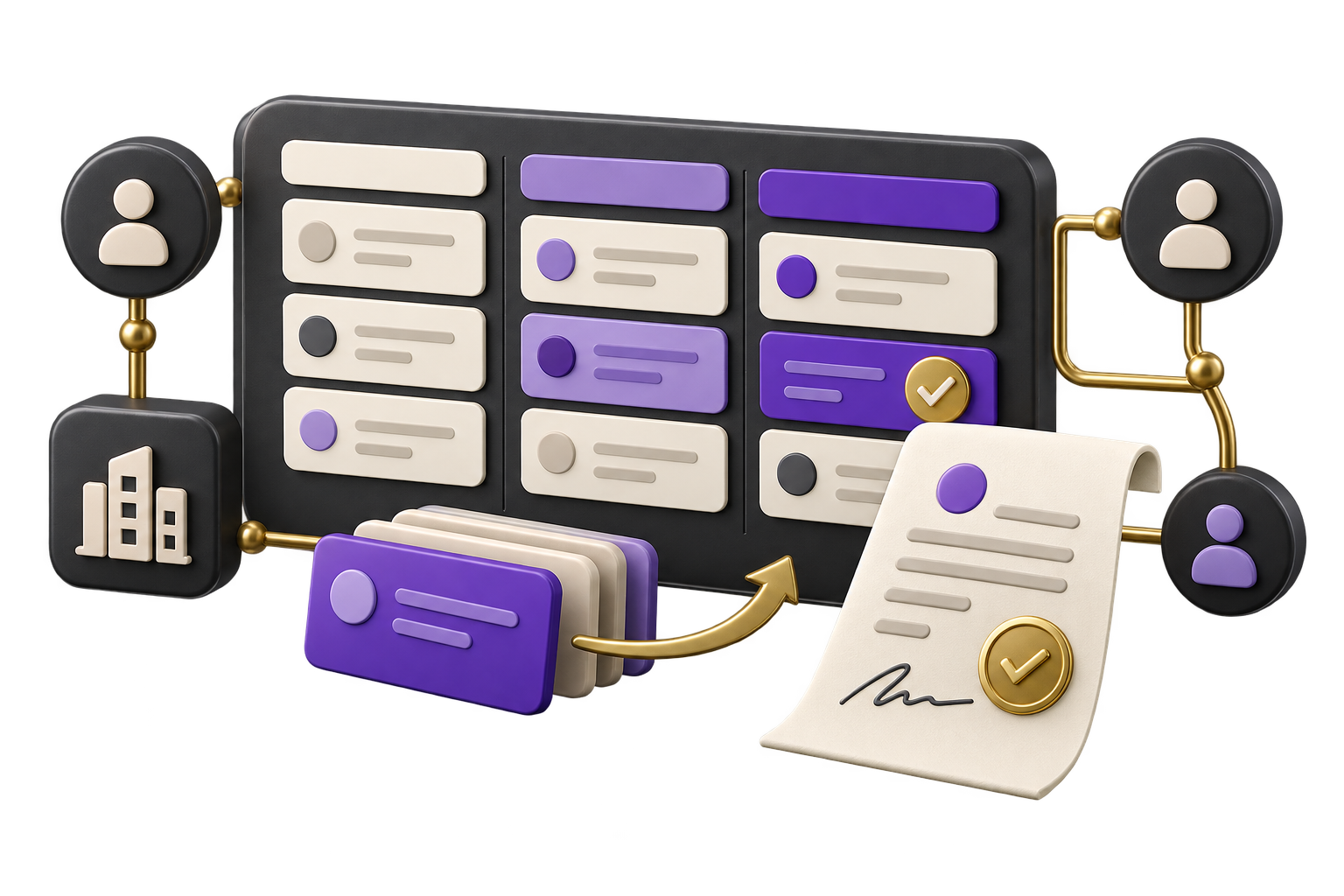
Process, record and ownership map
Document source systems, fields, owners, approvals, exceptions and evidence for one priority operating flow.

GreyBath helps Ahmedabad operations teams map one slow cross-team process, reconcile its source data, and pilot accountable portals, approvals and reporting.
Map the controlled workflow
01 / What we build
Document source systems, fields, owners, approvals, exceptions and evidence for one priority operating flow.
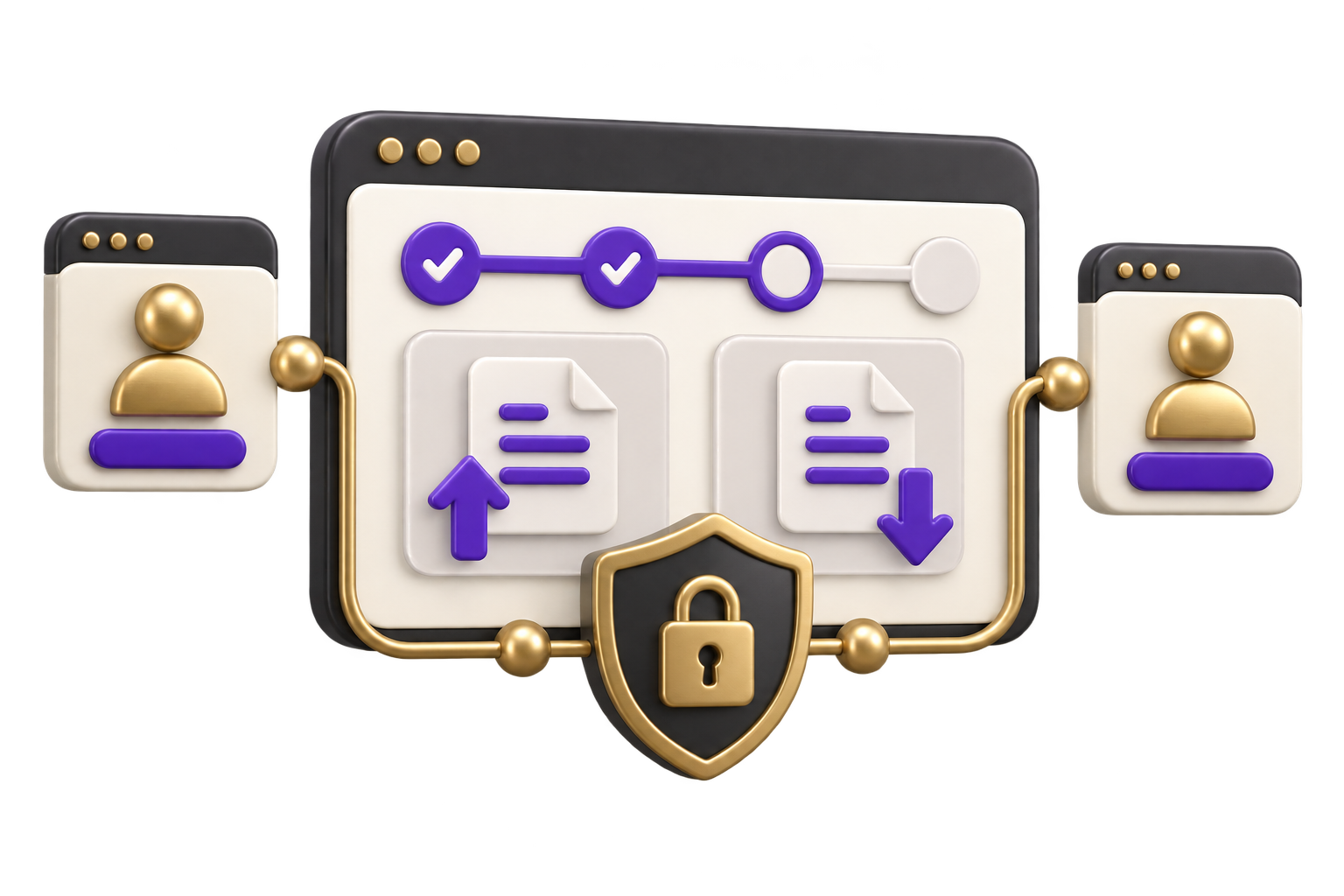
Build controlled dealer, vendor, customer or internal actions with permissions, status and accountable hand-offs.
Connect approved records, expose useful status and retain timestamps, decisions, failures and ownership for review.
City context, honestly stated
We collaborate remotely with Ahmedabad teams through process workshops, role reviews and pilot check-ins; GreyBath does not claim an Ahmedabad office.
Identify where customer, product, order and payment truth lives before introducing another interface or spreadsheet.
Separate dealer, vendor, customer, operator and manager actions with explicit permissions and escalation paths.
Test one workflow, data set and user group with acceptance, rollback and support ownership documented.
02 / Where it fits
This route fits an active, owned workflow that can be piloted safely. It does not imply replacing every current system or removing human judgement.
Coordinate enquiries, quotes, orders, production status, dispatch and service around authorised records.
Manage partner onboarding, account rules, orders, claims and document access across roles.
Connect approvals, milestones, dependencies, exceptions and evidence without relying on status calls.
Track requests, assignments, visits, parts and closure evidence against customer and product records.
03 / How we work
Trace roles, records, decisions, exceptions and evidence across the current workflow.
Configure the minimum roles, data, actions and reports needed for real use.
Review adoption, errors, access and outcomes before widening the process or user group.
The selected process, users, data quality, source systems, permissions, integrations, reports and rollout responsibilities determine the proposal. Licences remain separate.
Discuss your projectStages, owners, approvals, exceptions, service expectations and evidence needed to complete work.
Source records, imports, APIs, duplicate rules, history and failure recovery required by the pilot.
User groups, permissions, environments, training, acceptance, rollback, support and post-pilot ownership.
Not necessarily. A portal, workflow or dashboard can connect approved records when the source system and ownership rules remain clear. Replacement requires separate evidence.
Yes. Each role can receive only authorised records and actions, with explicit permissions, status and escalation paths defined during scope.
We profile the fields needed for the pilot, agree source ownership and define cleanup, matching and rejection rules. The interface does not silently fix data governance.
Yes, when validated users need it. Your team supplies or approves terminology, and the scope covers layout, testing and future content ownership.
Start with one owned workflow and user group, use test data and acceptance criteria, retain rollback options and assign support before expansion.
A cross-team process has no reliable status?