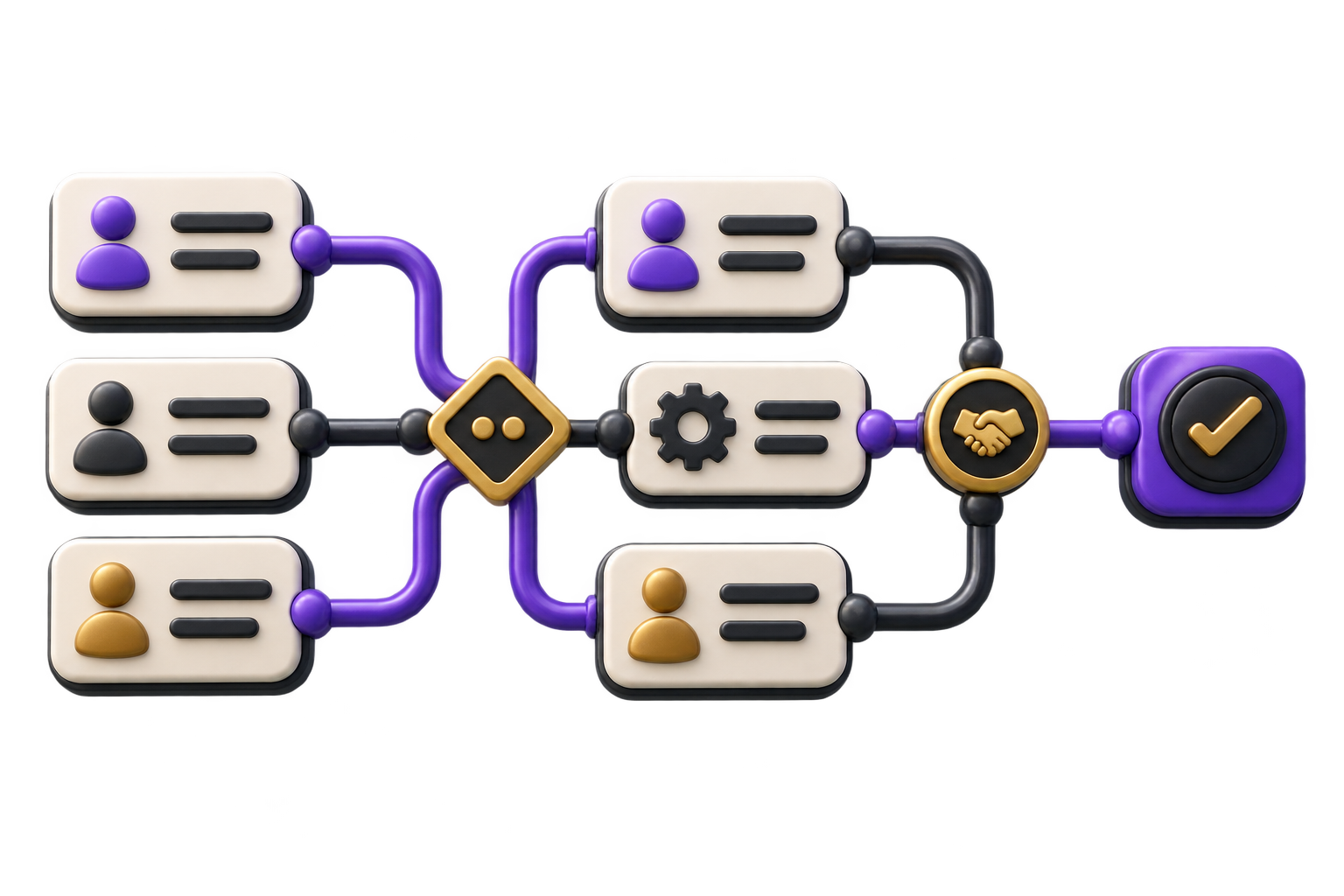
Territory & field-order workflow
Map assignments, customers, catalogue, prices, quantities, notes, approvals and order states against authoritative backend records.

GreyBath builds mobile workflows for Vijayawada field sales and distribution teams to use assigned routes, authorised catalogue and price data, visible offline queues, exception approvals and accountable order hand-offs.
Review the field sales app scope
01 / What we build
Map assignments, customers, catalogue, prices, quantities, notes, approvals and order states against authoritative backend records.
Prototype cached data, validation, queues, duplicate protection, conflict states, approval feedback and recovery on agreed devices.
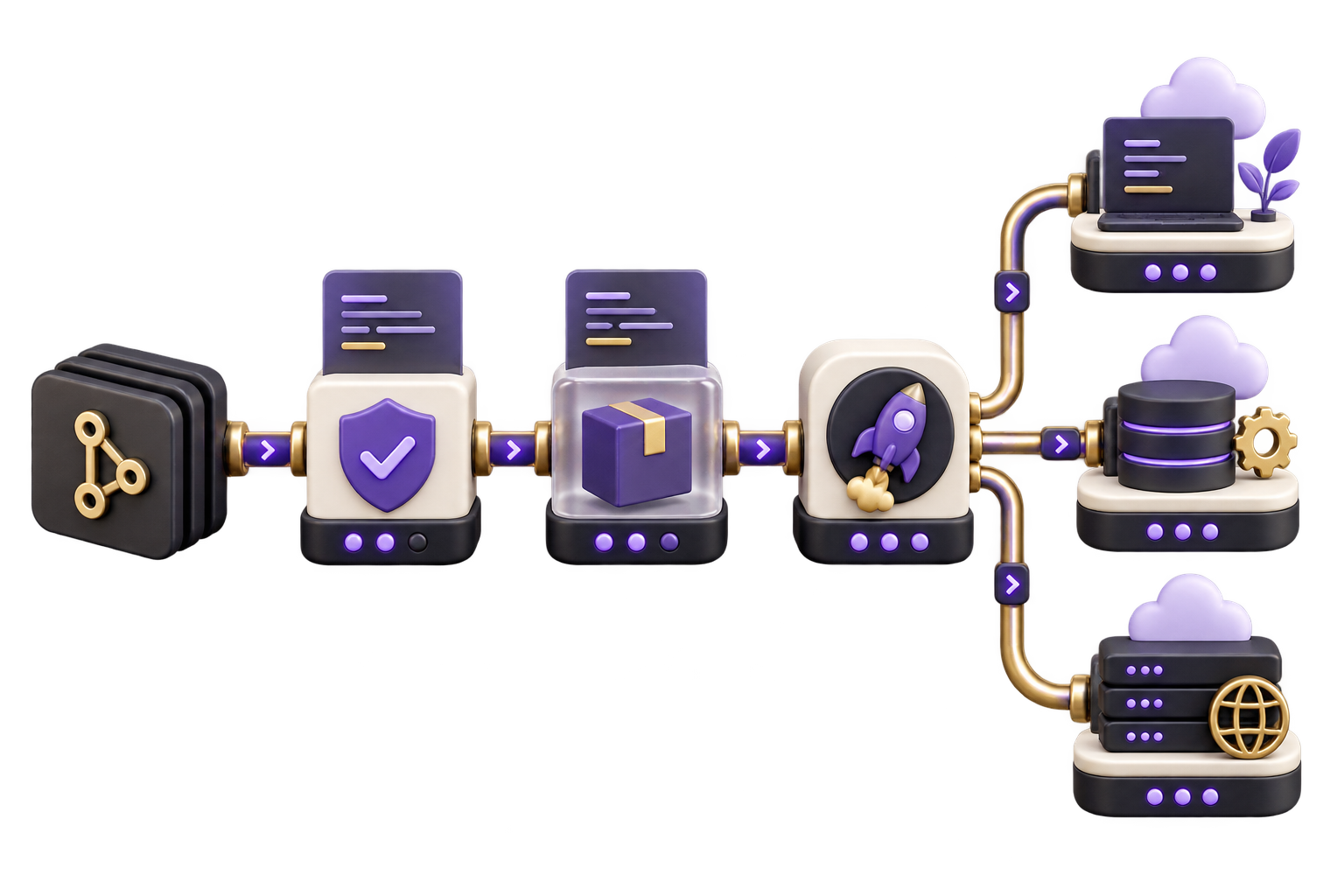
Specify API contracts, submission identity, acknowledgement, failure monitoring, distribution, privacy inputs and post-release ownership.
City context, honestly stated
We work remotely with Vijayawada teams through route walkthroughs, prototype reviews and supervised device tests. Official city material and APSRTC’s published logistics information provide distribution context only; GreyBath is not affiliated with APSRTC and does not claim Vijayawada clients or an office. The landmark artwork is an editorial montage, not a geographic skyline or a claim of a project, affiliation or endorsement.
Deliver assigned customers, products, prices, offers and route information from named sources instead of relying on copied lists.
Show what is cached, queued, submitted, rejected or conflicted so a lost connection does not look like an accepted order.
Route price, quantity, credit, stock or territory exceptions to authorised review before downstream systems treat the order as accepted.
02 / Where it fits
The first pilot should own one territory, representative catalogue and order hand-off; it does not assume real-time ERP, stock or credit integration, uninterrupted offline use or location tracking.
Use assigned customer, product and price context while keeping drafts, queued submissions and accepted orders visibly different.
Capture orders across agreed territories and account rules without exposing unrelated customer, price or credit records.
Review out-of-policy price, quantity, territory, stock or credit requests with the required evidence and timestamps.
Receive traceable submissions, identify duplicates or conflicts and return an authoritative acknowledgement or next action.
03 / How we work
Follow assignment, customer selection, catalogue use, price or stock questions, exception approval, submission and order-desk response.
Test stale data, validation, queued writes, retries, duplicate protection, approval feedback and recovery on agreed devices.
Use representative users and records, then reconcile submissions, acknowledgements, failures, access and support ownership.
Scope follows one field-order workflow, territories, users, devices, master-data sources, backend interfaces, offline rules, privacy inputs, approval owners and release path. Devices and third-party fees remain separate.
Discuss your projectRepresentative roles, route or account assignment, supported devices, permissions, accessibility and field conditions.
Customer, product, price, offer, stock, credit and order identifiers; update timing; APIs; validation; acknowledgement and system authority.
Cached data, queued writes, conflicts, retention, optional location inputs, telemetry, distribution, updates, support and incident responsibility.
Not automatically. The scope defines which records may be cached, which actions may queue, how long data remains valid and which approvals still require a connection.
Only when authorised systems and supported interfaces provide suitable data. Update timing, stale states, permissions and the source of truth must be explicit; real-time accuracy is not assumed.
No. Location collection is not a default requirement. If justified, purpose, consent or other legal basis, precision, retention, access, alternatives and device behaviour require client approval and appropriate advice.
It can use identifiers, validation and idempotent submission patterns to reduce risk, but backend behaviour, retries and concurrent changes must be tested. No absolute prevention claim is made.
No. Distribution options and current platform requirements are reviewed, but store approval remains with the platform and depends on the submitted application, accounts, disclosures and policies.
Field orders arrive with stale prices or unclear approval?