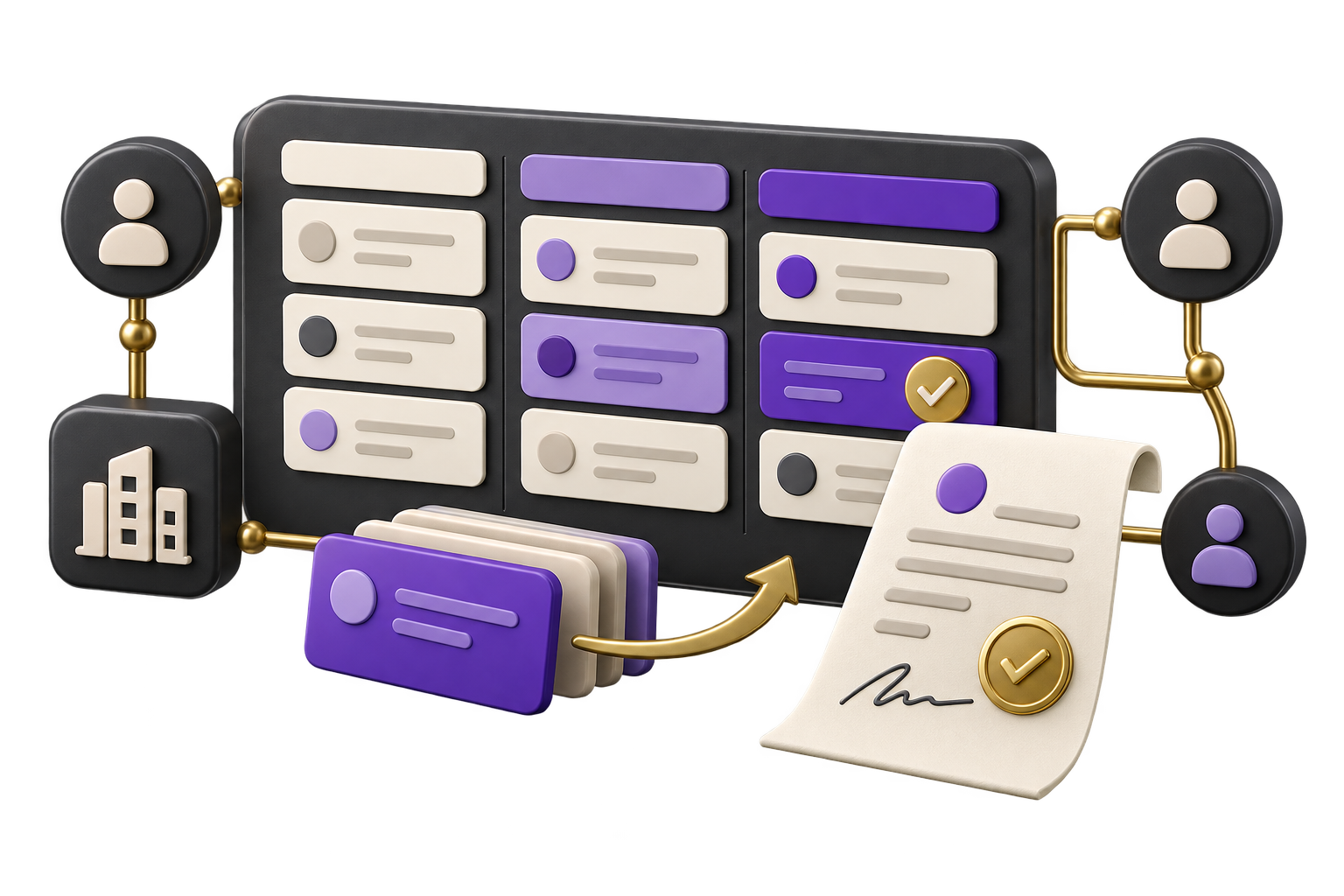
Order-to-dispatch system map
Map records, identifiers, source systems, roles, evidence, approvals and failure points for one representative movement.

GreyBath helps Nagpur operations teams connect warehouse, order, vehicle and delivery hand-offs without inventing a new source of truth.
Map one operational hand-off
01 / What we build
Map records, identifiers, source systems, roles, evidence, approvals and failure points for one representative movement.
Prototype the warehouse, vendor, customer or supervisor views needed for approved actions and documents.
Define actionable queues, timestamps, drill-down evidence, owners and escalation rules rather than decorative totals.
City context, honestly stated
We work remotely with Nagpur teams; GreyBath claims no local office, client, MIHAN affiliation or operational result. Official district material informs context, not demand.
Carry approved order, consignment, warehouse, vehicle and delivery identifiers across every hand-off.
Record who changed a state, from which source, with what document and at what time.
Surface aging, reservation, dispatch and delivery exceptions without silently rewriting the underlying record.
02 / Where it fits
The first scope should prove one warehouse, route or order type. It does not assume live integration, local delivery capacity or measurable gains.
Reconcile picking, reservation, loading, documents and departure against approved records.
Connect customer orders, promised dates, fulfilment evidence and accountable follow-up.
Track assigned movements, hand-offs and exceptions without treating messages as the ledger.
Answer status questions from traceable evidence and escalate the cases that need authority.
03 / How we work
Follow approved records from order release through warehouse, dispatch, delivery and exception handling.
Test permissions, state changes, documents, queues and reconciliation with representative scenarios.
Run one agreed operation, verify records and failures, then decide whether expansion is justified.
Scope follows one workflow, its source systems, identifiers, roles, integrations, documents, exception policy and operating owner. Software licences and data cleanup remain separate.
Discuss your projectOrders, consignments, locations, parties, vehicles, documents, states and the system authoritative for each.
Who may view, change, approve, reverse or escalate each operational state.
Supported APIs, imports, update timing, reconciliation, audit history, alerts and recovery ownership.
Not by default. We first identify authoritative systems and gaps. A portal or dashboard may coordinate approved actions while the existing platform remains the ledger.
Only when an authorised source provides suitable, timely data. Update timing, stale states, permissions and exception wording must be explicit.
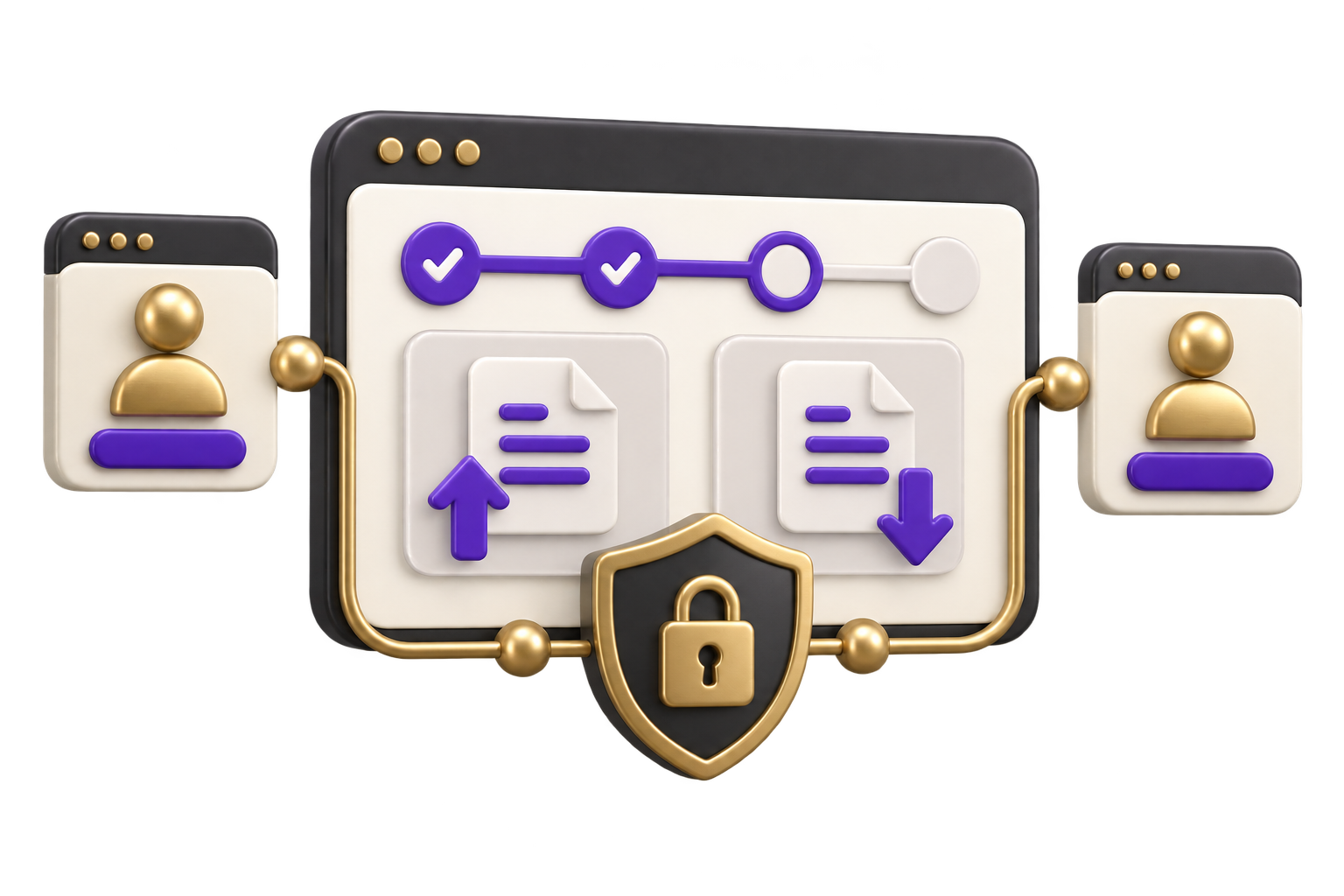
Yes, when document type, owner, access, retention, version and download rules are approved. Sensitive documents should not be exposed through guessable links.
No guarantee is made. Automation depends on source quality and supported interfaces; unresolved records still need a named reconciliation path.
Choose one warehouse, route or order type with representative exceptions, known owners and measurable acceptance checks before expanding.
Dispatch status is being reconstructed from calls and spreadsheets?