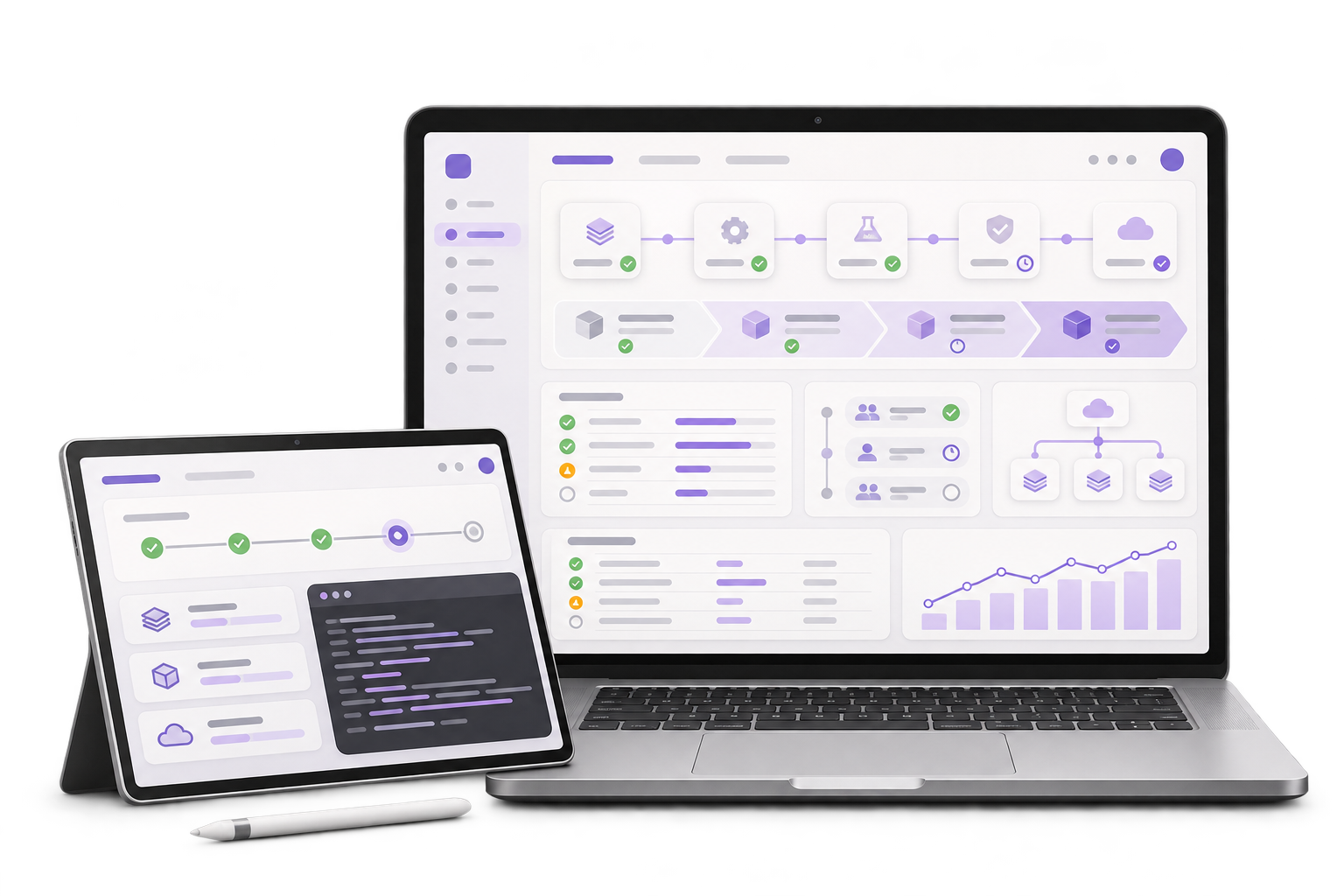
Prioritised backlog and capacity plan
Turn requests into work items with owners, dependencies and acceptance criteria. Review priorities against the agreed capacity.

Give ongoing product and website work a delivery team with a visible backlog and agreed release checks. We structure the retainer around the work your team owns, the people who approve it and the capacity you need.
Explore what we build
01 / What we build
Turn requests into work items with owners, dependencies and acceptance criteria. Review priorities against the agreed capacity.
Deliver the agreed work in reviewable increments, with test evidence and recorded decisions on scope or deadlines.
Keep deployment responsibilities, release notes and handover material visible to the team that operates the site or product.
City context, honestly stated
A Mumbai brand or agency can have campaign updates, storefront fixes and integration work competing for the same week. A shared backlog makes priorities, dependencies and release windows visible to everyone who needs to approve the work. GreyBath delivers through remote workshops, reviews and handover.
A Mumbai consumer brand uses one storefront for seasonal campaigns and its regular catalogue. A campaign page and an order tracking fix are due in the same week. During testing, the tracking fix reveals an unexpected response from the delivery provider. The retainer team records which orders are affected, adds a retry check and brings the estimated delay to the weekly review. The brand owner confirms the campaign can release first. The tracking fix moves to a separate window with its own acceptance test and rollback notes. At handover, the internal lead can see what shipped, what moved and who owns each next action.
Where it fits
Bring the people who use, review and maintain the first release into the scope discussion.
Manage campaign updates, customer experience fixes and integrations alongside internal marketing work.
Add design or development capacity with clear ownership, review access and delivery checkpoints.
How we work
Review recent requests and select the initial work with the owner who can approve priorities and acceptance criteria.
Share work for review, record QA and raise scope or dependency changes before they affect a release.
Reconcile what shipped, what moved and what needs decisions. Agree the next delivery cycle with the client lead.
The proposal sets the first workflow, delivery responsibilities and the evidence needed before rollout.
Discuss your projectAgree the required roles, delivery cadence, working overlap and how urgent requests affect other work in progress.
Identify who reviews work, owns repositories and authorises releases. Define handover and reporting expectations.
Yes. The mix of roles, capacity and delivery rhythm can be agreed around the backlog.
We agree who can approve a priority change and show what it displaces in the current cycle.
Repository access, file ownership and handover responsibilities are agreed when setting up the retainer.
Start with one workflow