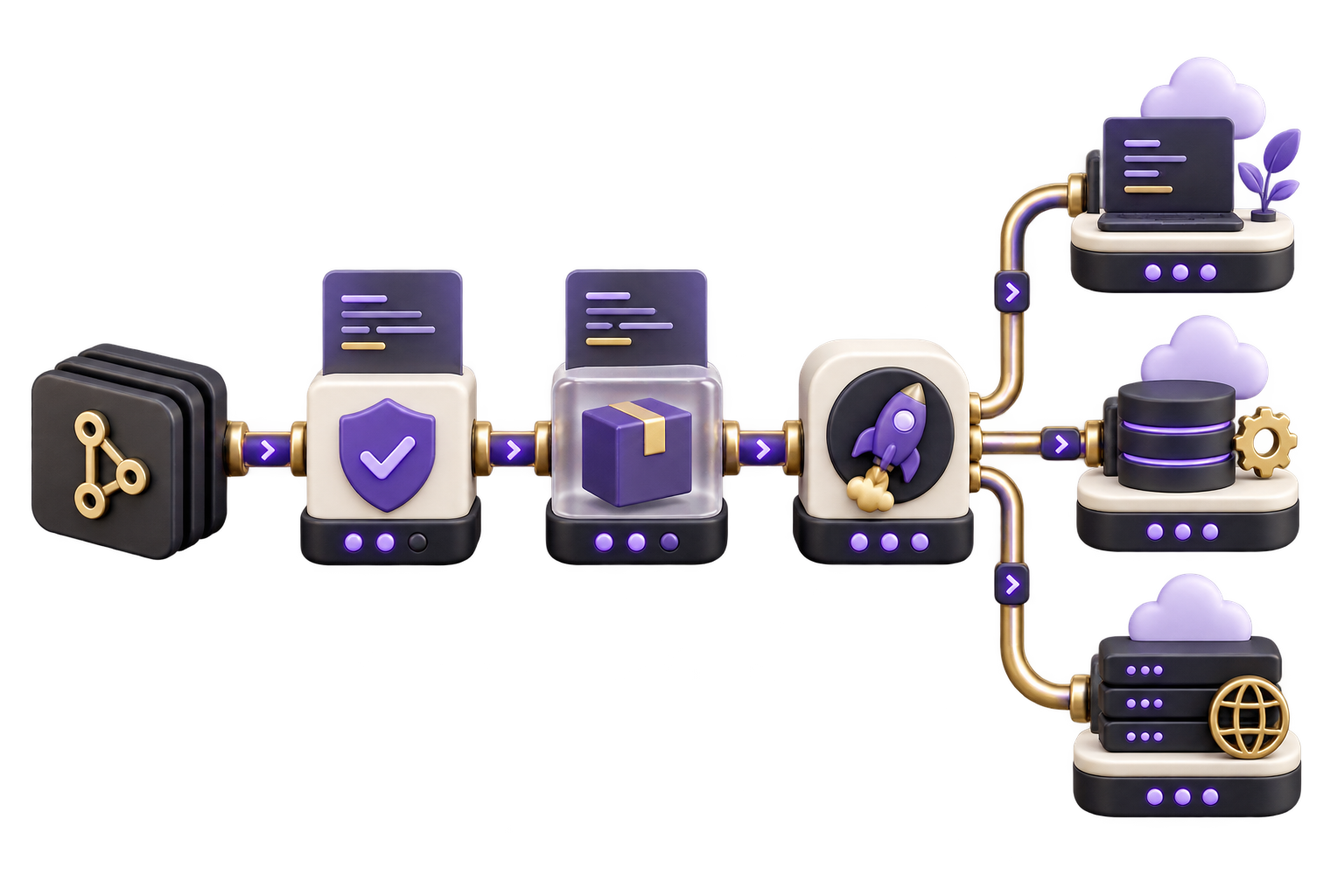
Intake & capacity governance
Define request channels, priorities, service categories, reviewers, dependencies and the capacity available each cycle.

GreyBath helps Gurugram teams create a governed design and engineering retainer with clear intake, capacity, release and ownership rules rather than an unbounded task queue.
Explore the retainer model
01 / What we build
Define request channels, priorities, service categories, reviewers, dependencies and the capacity available each cycle.
Deliver agreed website, product or operations tasks through visible reviews, tests and acceptance criteria.
Record completed work, open risks, access, deployment notes and the next prioritised decisions.
City context, honestly stated
We work remotely with Gurugram teams through a shared backlog, planned reviews and documented releases; GreyBath does not claim a Gurugram office.
Route requests through an agreed owner so urgent work does not silently displace committed delivery.
State the roles, cadence, working hours and carry-over rules rather than implying always-on availability.
Keep repositories, credentials, environments and decision notes under agreed client control and handover rules.
02 / Where it fits
A retainer fits recurring, prioritised work with available owners. It is not a promise of unlimited tasks, instant turnaround or unnamed full-time staff.
Add planned UX, UI and engineering capacity around a product owner who can make decisions.
Maintain campaign pages, content systems, integrations and performance through controlled releases.
Improve active business systems in small releases while retaining permissions, data and rollback discipline.
Bring access, repositories, documentation and recurring maintenance into one accountable operating rhythm.
03 / How we work
Review the backlog, systems, access, risks and client owners before reserving recurring capacity.
Commit a realistic slice of work, review it with the right owners and release only through agreed controls.
Record output, blockers and operational learning, then adjust the next cycle without hiding unfinished work.
Roles, monthly capacity, work categories, environments, response expectations and client decision-makers define the retainer. Licences and emergency coverage are separate.
Discuss your projectThe design, engineering, QA and delivery involvement reserved, plus holidays and carry-over rules.
How work enters the queue, who prioritises it, what evidence closes it and how blocked items are handled.
Repositories, accounts, approvals, deployment windows, incident ownership and handover expectations.
No. It reserves an agreed service capacity and operating model. Named roles, availability, substitutions and employment relationships are stated in the proposal.
Capacity depends on the selected roles and cadence. We agree a prioritisation method and report what was completed, blocked or carried forward.
Yes, when access, security and review responsibilities are approved. Client-controlled repositories and accounts are preferred where practical.
Not by default. Support hours, response expectations, escalation and any emergency coverage must be explicitly scoped and priced.
It is a poor fit when priorities have no owner, work is too sporadic for reserved capacity or the requirement is an undefined promise of unlimited immediate delivery.
Recurring work needs ownership?