Legacy workload & migration-readiness map
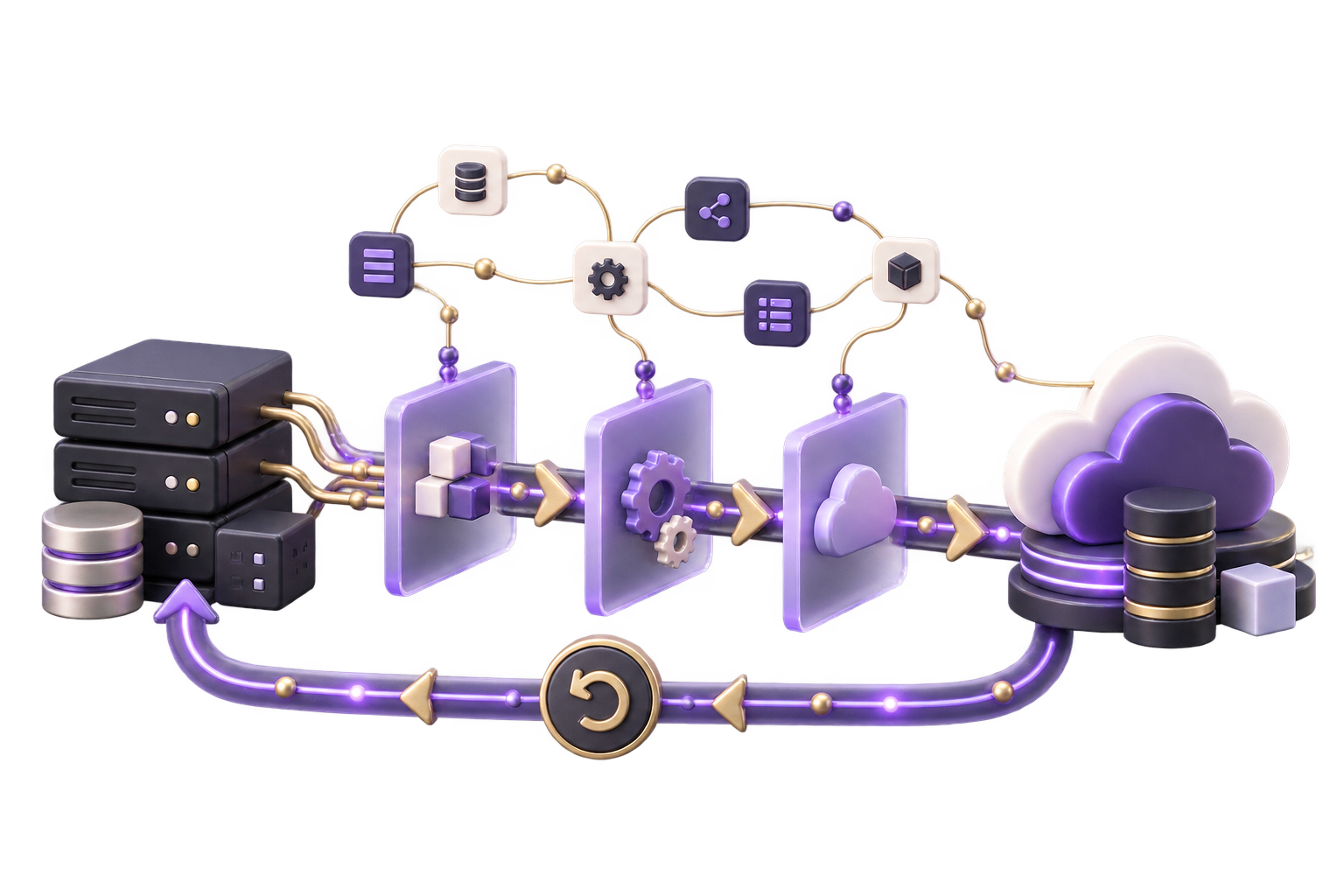
Inventory the approved application, data, traffic, DNS, identities, dependencies, operational routines, constraints and unresolved feasibility questions.

GreyBath helps Bhubaneswar teams assess and move a first production workload from shared hosting, an on-premise host or a manually managed VM through dependency discovery, repeatable environments, rehearsal and accountable operations.
Review the first migration scope
01 / What we build
Inventory the approved application, data, traffic, DNS, identities, dependencies, operational routines, constraints and unresolved feasibility questions.
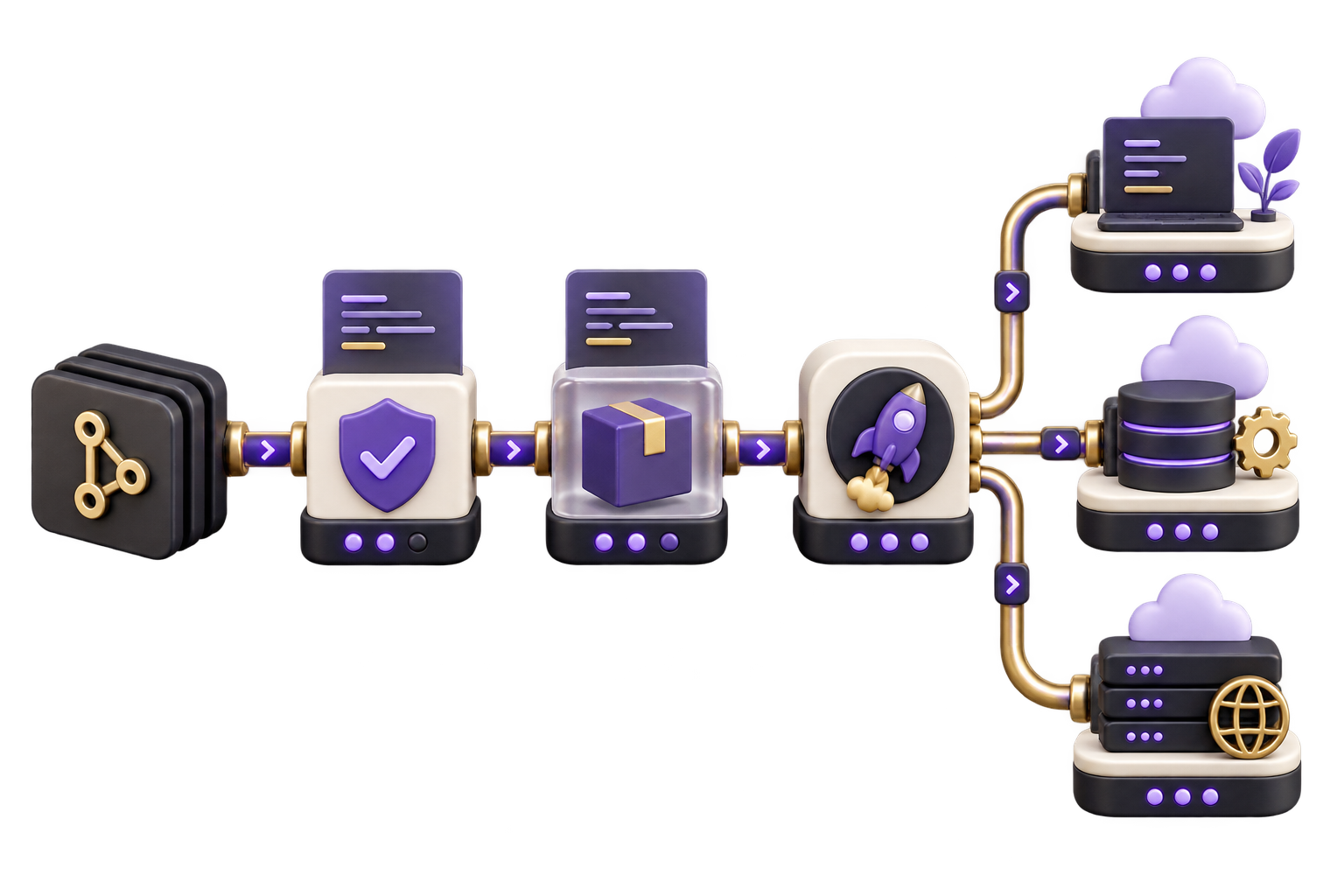
Define target environments, infrastructure as code, configuration, secrets and controlled build, test and release steps for the agreed workload.
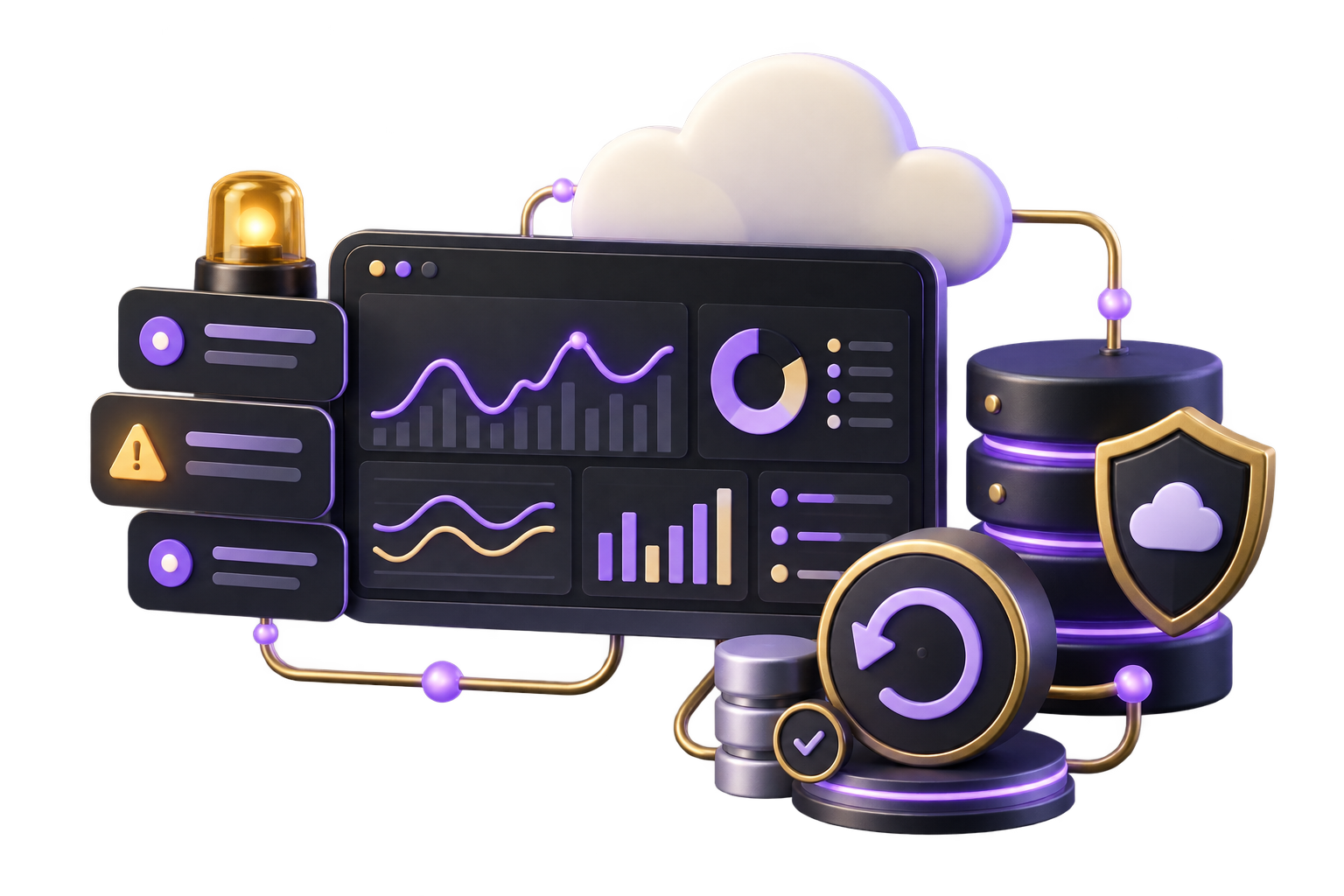
Specify useful signals, alert routes, budget thresholds, backup access, authorised restore tests, cutover, rollback, incidents and named operating ownership.
City context, honestly stated
We work remotely with Bhubaneswar teams through dependency reviews, environment evidence and controlled rehearsals; GreyBath does not claim a Bhubaneswar office or local clients. Odisha’s published IT and data-centre policy material provides regional context only, not proof that a particular workload is suitable for migration or that local demand exists. The landmark artwork is an editorial montage, not a geographic skyline or a claim of a project, affiliation or endorsement.
Map code, data, DNS, certificates, jobs, storage, email, third parties, access and operational routines before selecting a target.
Define versioned infrastructure, configuration, secrets, build and release paths instead of recreating a manually managed host by memory.
Test agreed deployment, monitoring, budget alerts, backup access, restore steps, rollback and named post-migration responsibility.
02 / Where it fits
The engagement establishes whether and how one known production workload can move; it does not promise migration feasibility, zero downtime, lower cost, compliance certification or an entire-estate transformation.
Identify hidden runtime, storage, email, DNS, job and access dependencies before choosing a replacement environment.
Separate application, data, network, identity, backup and operational concerns before changing the hosting boundary.
Turn undocumented configuration and release activity into versioned environments, controlled changes and explicit recovery work.
Agree cutover risk, RTO and RPO inputs, budget alerts, rollback, acceptance and who operates the workload after migration.
03 / How we work
Inventory the accessible workload, observe runtime and deployment behaviour, record dependencies and identify evidence or access gaps.
Create the approved target and delivery path, migrate representative data where authorised, then test deployment, signals, recovery and rollback.
Execute the agreed window, validate application and data checks, monitor defined signals and obtain named operational acceptance.
Scope follows one workload, authorised access, dependencies, data, target provider, environments, traffic, DNS, security inputs, RTO and RPO decisions, cutover window and post-migration ownership. Provider and licence fees remain separate.
Discuss your projectApplication components, versions, storage, databases, jobs, traffic, DNS, certificates, email, third parties, data volume and residency inputs.
Provider capabilities, accounts, regions, networks, identities, secrets, infrastructure code, build and release controls and test environments.
Downtime tolerance, data transfer, freeze, validation, rollback, monitoring, budget alerts, backup, restore evidence, incidents and ongoing support.
No zero-downtime promise is made. The feasible cutover pattern depends on architecture, data change, DNS, provider capabilities and business tolerance; planned interruption, rollback and communication may be required.
Not necessarily. The engagement can establish a baseline, model approved target resources and configure budget alerts, but usage, architecture, provider pricing and operating effort determine actual cost.
No. Access, dependencies, runtime behaviour, data, licences, provider constraints, security inputs and recovery requirements must be reviewed before feasibility or approach is confirmed.
No. We review configuration, access and retention, then perform authorised restore checks where safe and feasible. A configured backup is not treated as recovery evidence by itself.
No. GreyBath does not certify compliance. Security and regulatory interpretation, monitoring response, on-call coverage, maintenance and incident ownership require authorised inputs and a separately accepted operating scope.
A production workload needs to move before its dependencies are understood?