Retainer operating charter
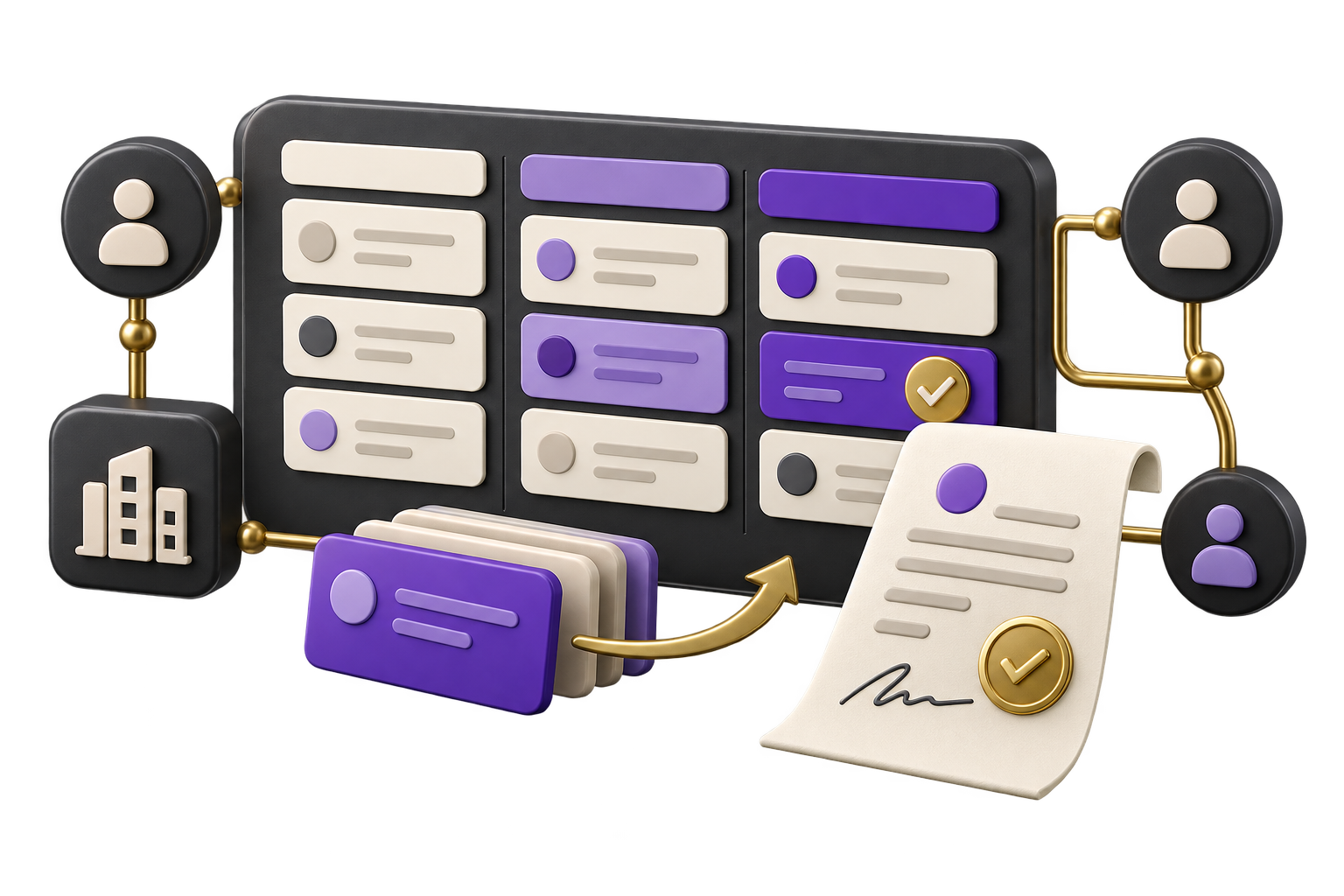
Define outcomes, roles, monthly capacity, priorities, meetings, approvals, carry-over, support and escalation boundaries.

GreyBath supports Bhopal software and business teams with governed discovery, design, development and QA capacity after launch—without presenting a retainer as unlimited labour.
Review the delivery boundary
01 / What we build
Define outcomes, roles, monthly capacity, priorities, meetings, approvals, carry-over, support and escalation boundaries.
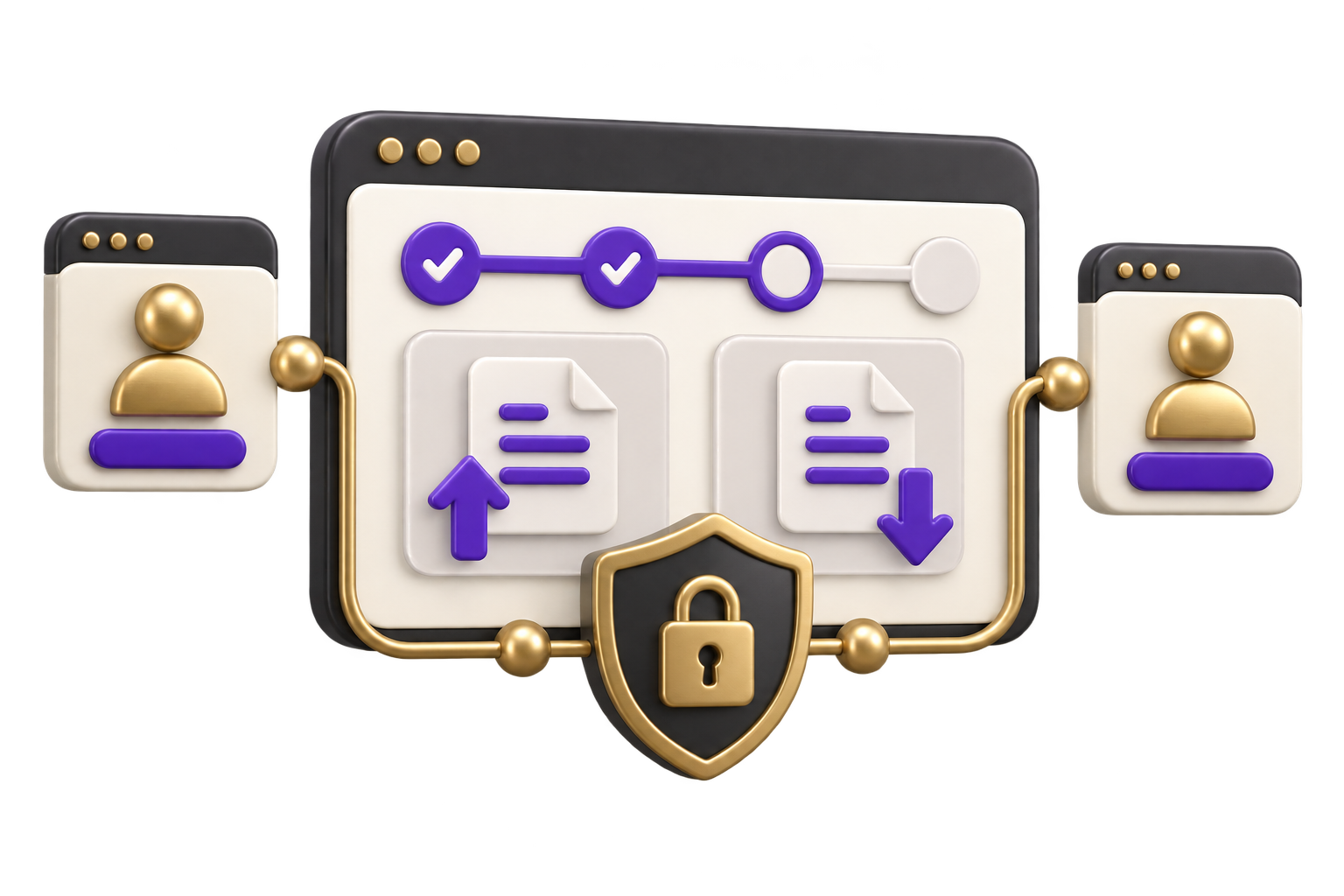
Set repository, environment, review, QA, security, acceptance, release, monitoring and rollback responsibilities.
Maintain architecture notes, decision records, access ownership, runbooks, dependency inventory and an agreed exit procedure.
City context, honestly stated
STPI Bhopal material supports a cautious local IT and startup context. GreyBath claims no Bhopal office, client, hiring pool, affiliation, guaranteed availability or delivery result.
Keep discovery, design, engineering, QA, defects and operational work prioritised against visible capacity and business decisions.
Separate planned product work, urgent defects, monitoring response and third-party ownership before an emergency tests the agreement.
Maintain decisions, runbooks, environments, release evidence and handover material so continuity does not depend on one person.
02 / Where it fits
The engagement starts with an approved backlog and access boundary. It is not an unlimited on-demand team, employment arrangement, local-office promise or automatic SLA.
Balance feature work, defects, usability, reliability and technical debt through one governed queue.
Add defined design or engineering capacity without losing repository, approval or operational ownership.
Establish a baseline, reduce undocumented decisions and plan controlled releases or remediation.
Maintain portals, dashboards and workflows with explicit business owners and support boundaries.
03 / How we work
Review the backlog, architecture, access, releases, incidents, documentation and current owners.
Define prioritisation, capacity, ceremonies, quality gates, evidence, escalation and decision rights.
Release approved work, inspect outcomes and support load, update knowledge and adjust the next cycle.
Scope follows the current product, backlog, code and infrastructure access, capacity model, release cadence, quality gates, incident expectations, dependencies and offboarding obligations.
Discuss your projectRoles, available capacity, queue ownership, service classes, carry-over, urgent work, approvals and reporting.
Codebase condition, environments, tests, data, security, dependencies, releases, monitoring and support expectations.
Documentation, credentials, repositories, licences, assets, knowledge transfer, notice, archive and handover acceptance.
No. Capacity, roles, service boundaries, priority rules, meetings, carry-over and urgent work must be explicit.
A discovery and baseline phase can begin, but unknown architecture, access, data and operational risks affect scope and sequencing.
Not unless a separately reviewed support model defines hours, channels, severity, response objectives, monitoring, escalation and dependencies.
The agreement should keep business repositories, environments, domains, analytics and service accounts under approved organisational ownership wherever practical.
Yes under agreed notice, handover, access removal, archive, outstanding-work and knowledge-transfer terms.
Product work is arriving faster than the team can prioritise it?